
Home / Guides
Camping guides
By the CampTier teamUpdated 2026-10-1534 guides
Practical, plain-English guides to choosing, using and caring for tents, sleeping bags and pads, hiking boots and the rest of a car-camping kit. Written from manufacturer guidance and common outdoor practice. No fake testing claims.
Tents
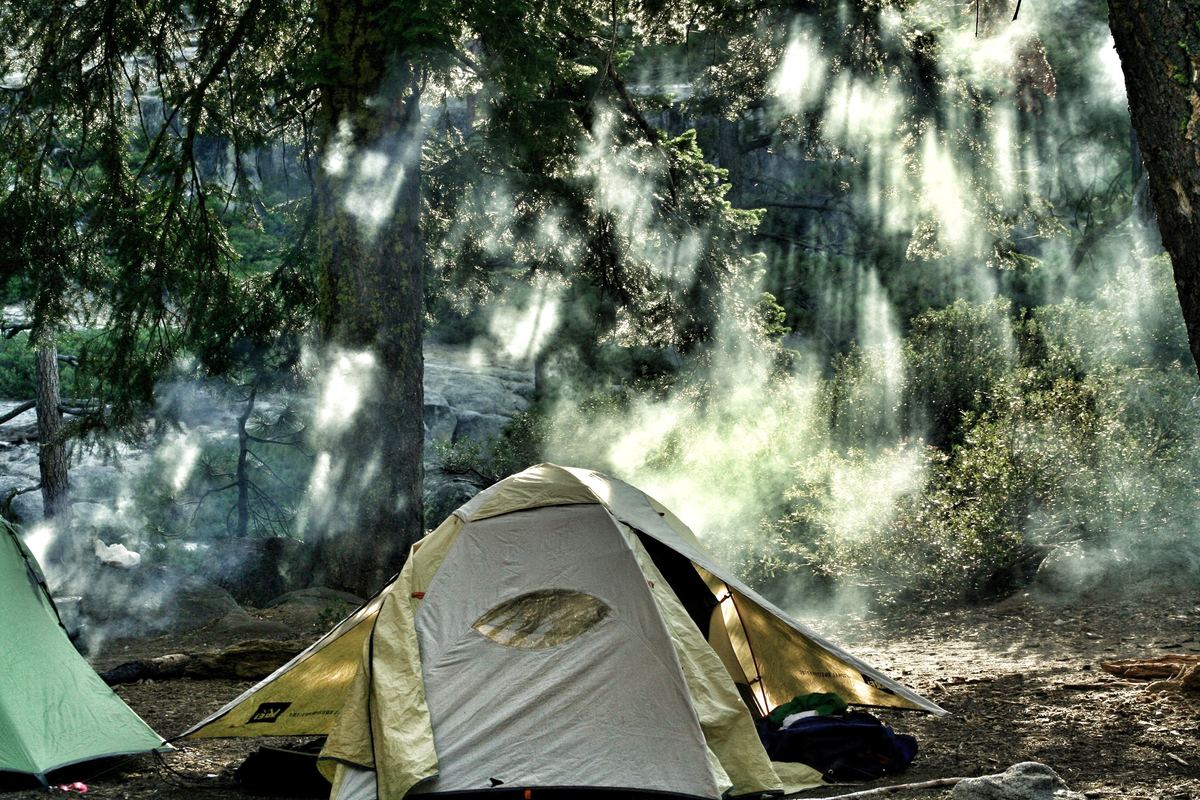 How to Choose a Camping Tent by CapacityCapacity labels (2-person, 4-person, 6-person) describe how many adults can sleep, not how much living space you’ll actually have. Here’s how to size a tent for car camping.
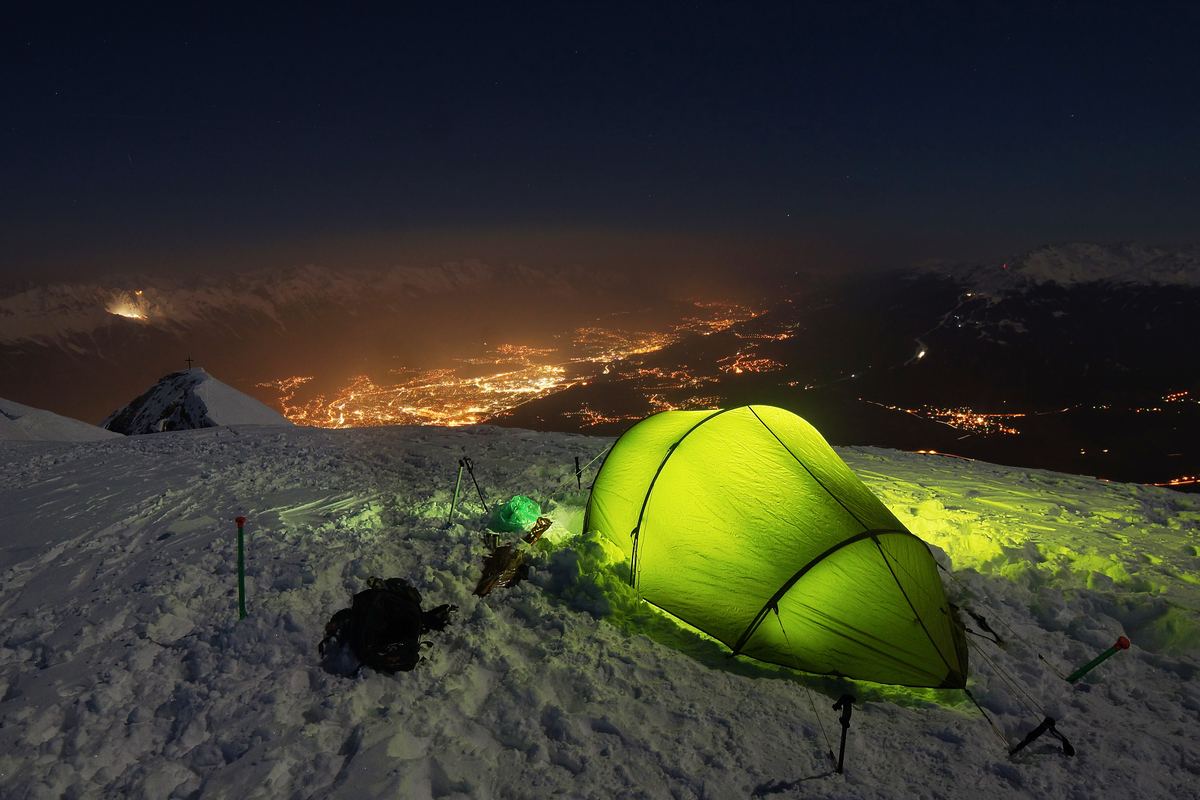 Tent Season Ratings: What 3-Season and 4-Season Actually MeanSeason ratings describe intended weather, not a calendar. Learn what 3-season and 4-season tents are built for, and when a stronger 3-season tent is enough.
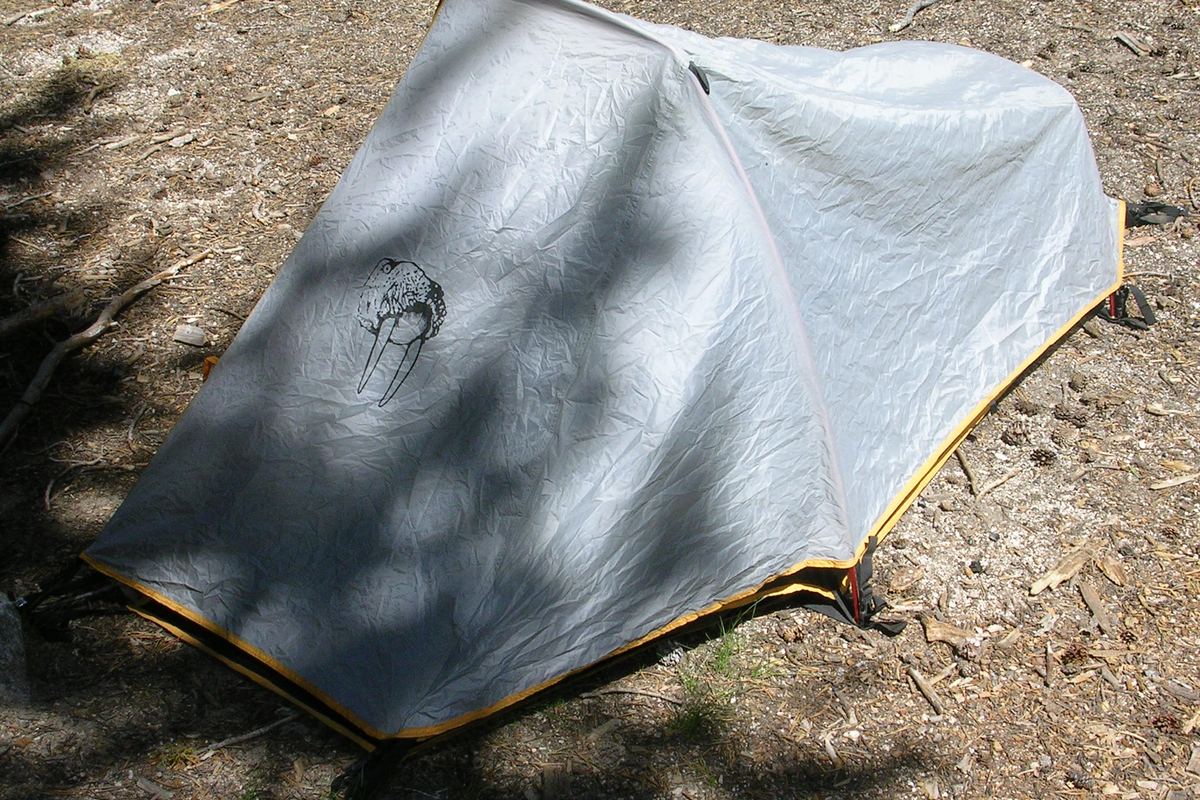 Freestanding and Non-Freestanding Tents: Which Design Fits Your TripFreestanding tents stand up before you stake them; non-freestanding tents need stakes or attachments to take shape. Here’s when each design makes sense.
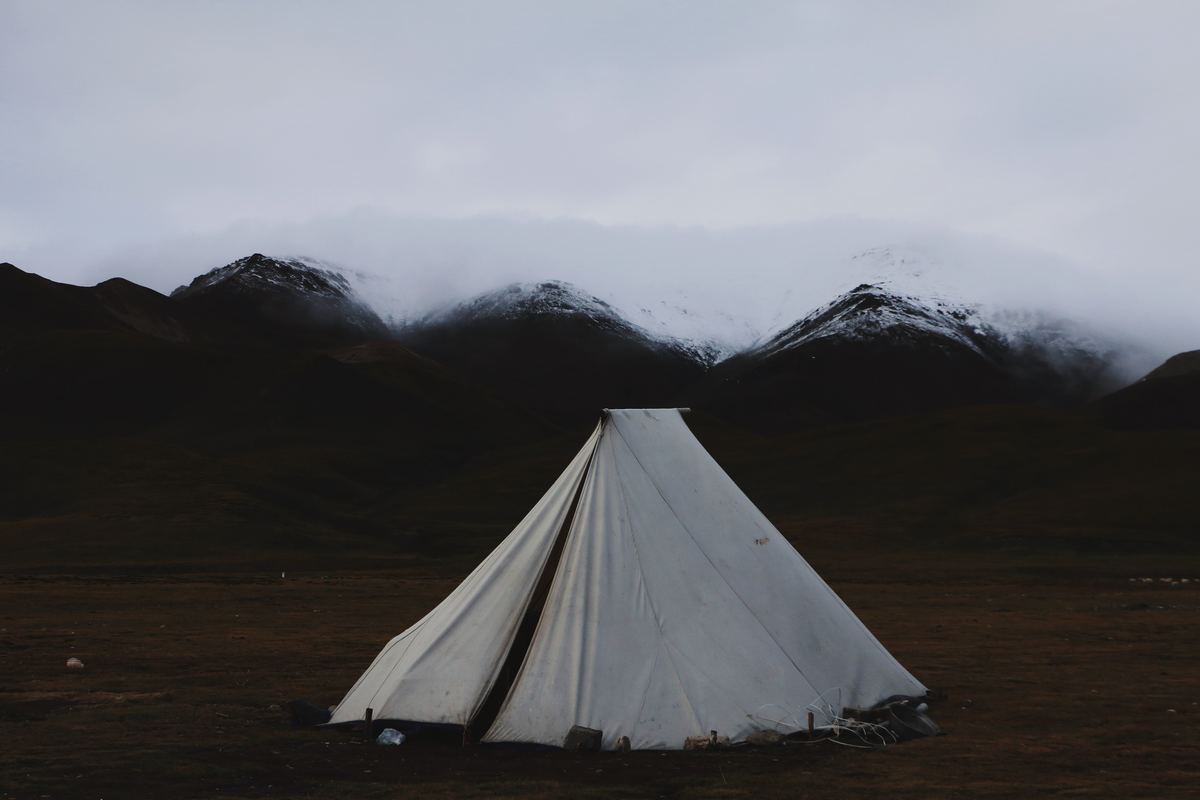 How to Set Up a Tent the First TimeA calm, step-by-step freestanding tent pitch for first-timers: site choice, poles, rainfly, stakes and guy lines—plus a practice run before the trip.
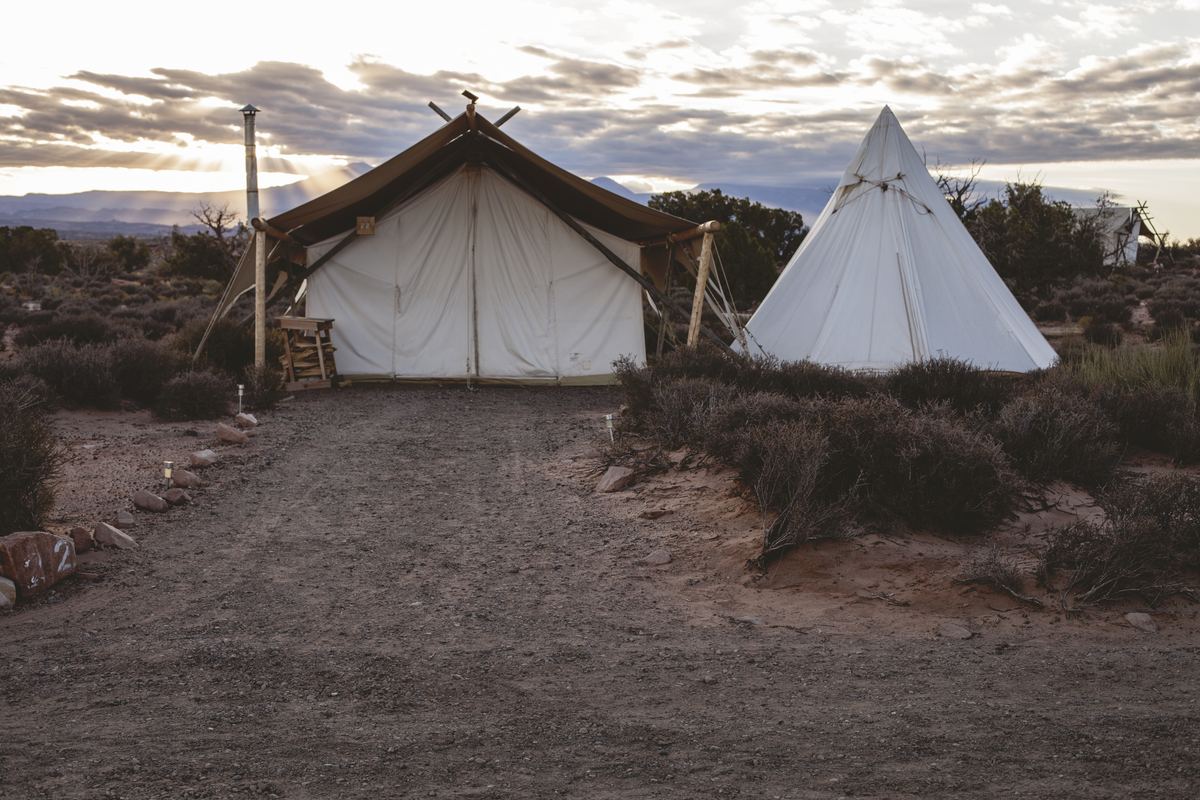 How to Pitch a Tent in WindKeep a freestanding tent on the ground when gusts pick up: orientation, staking order, guy lines, and when to wait or move.
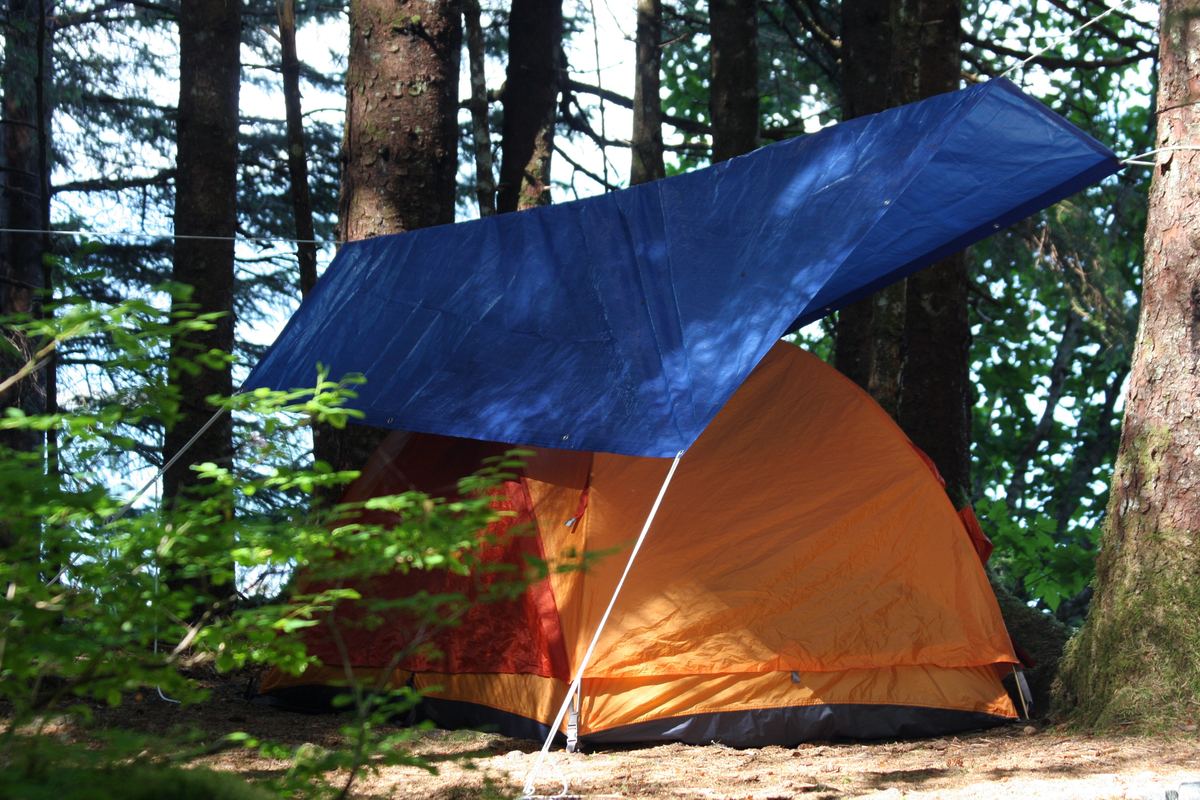 How to Pitch a Tent in the RainKeep the inner tent dry when you have to set up in a downpour: footprint timing, fly-first tricks, and drying out afterward.
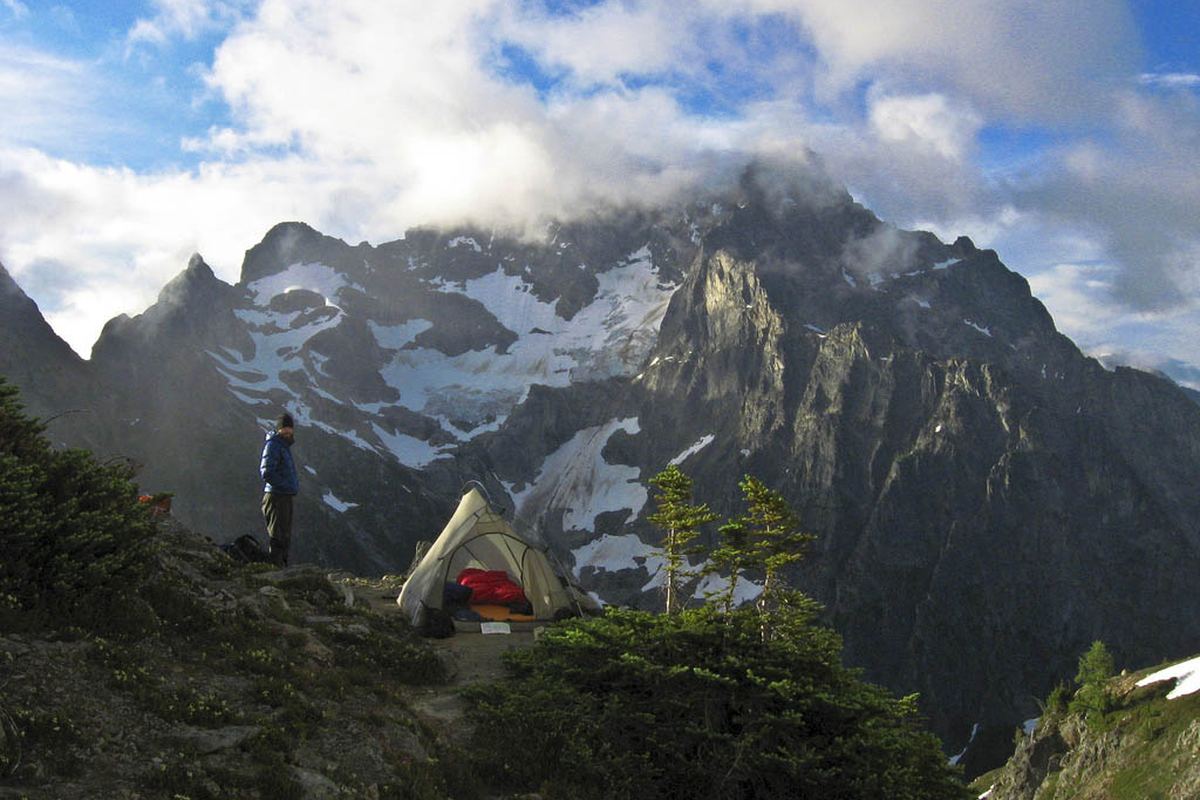 Tent Footprints and Groundsheets ExplainedWhy a footprint protects your tent floor, how to size it so it doesn’t collect rain, and when a generic tarp is good enough.
 Tent Ventilation and Condensation: Why Tents Get Wet InsideBreathing and wet gear put moisture in the air; cold fly fabric turns it into droplets. Manage vents, airflow and wet gear so mornings aren’t a sponge-fest.
Sleeping bags & pads
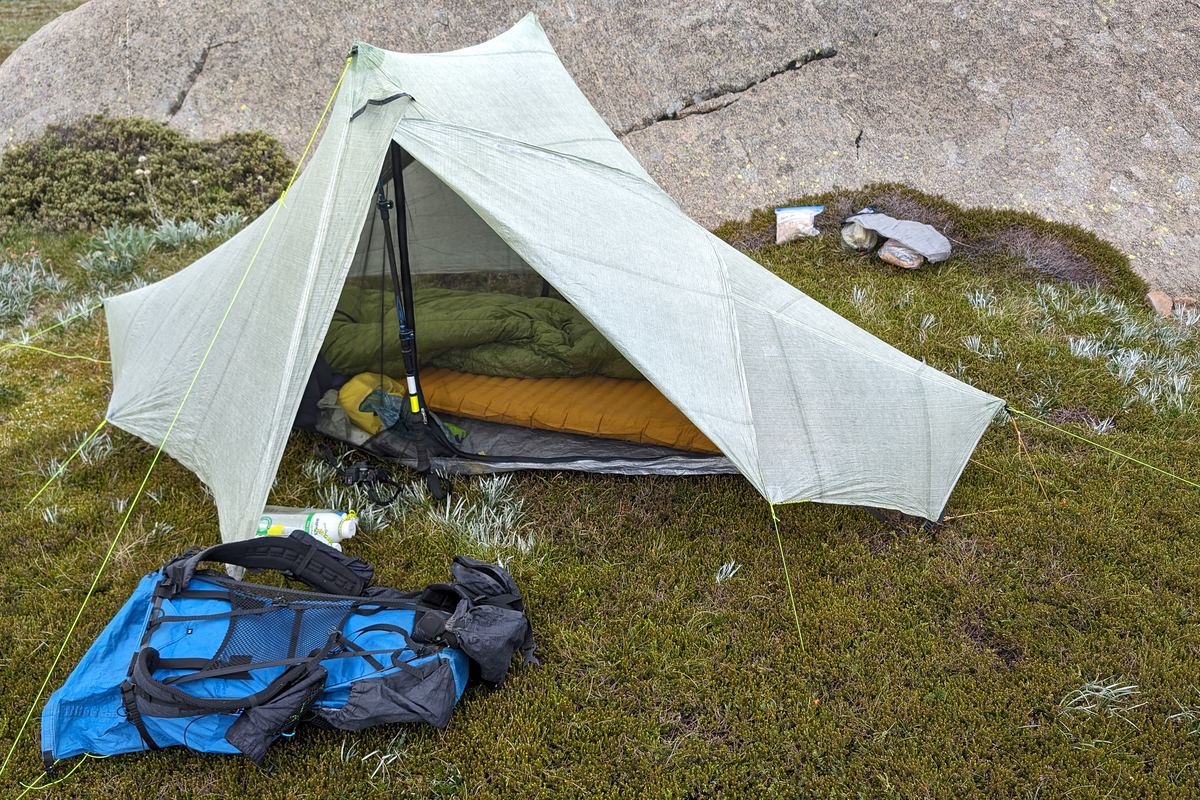 Sleeping Bag Temperature Ratings ExplainedComfort, limit and extreme ratings aren’t interchangeable. Learn how EN/ISO ratings work, what they leave out, and how to pick a bag without treating the number as a guarantee.
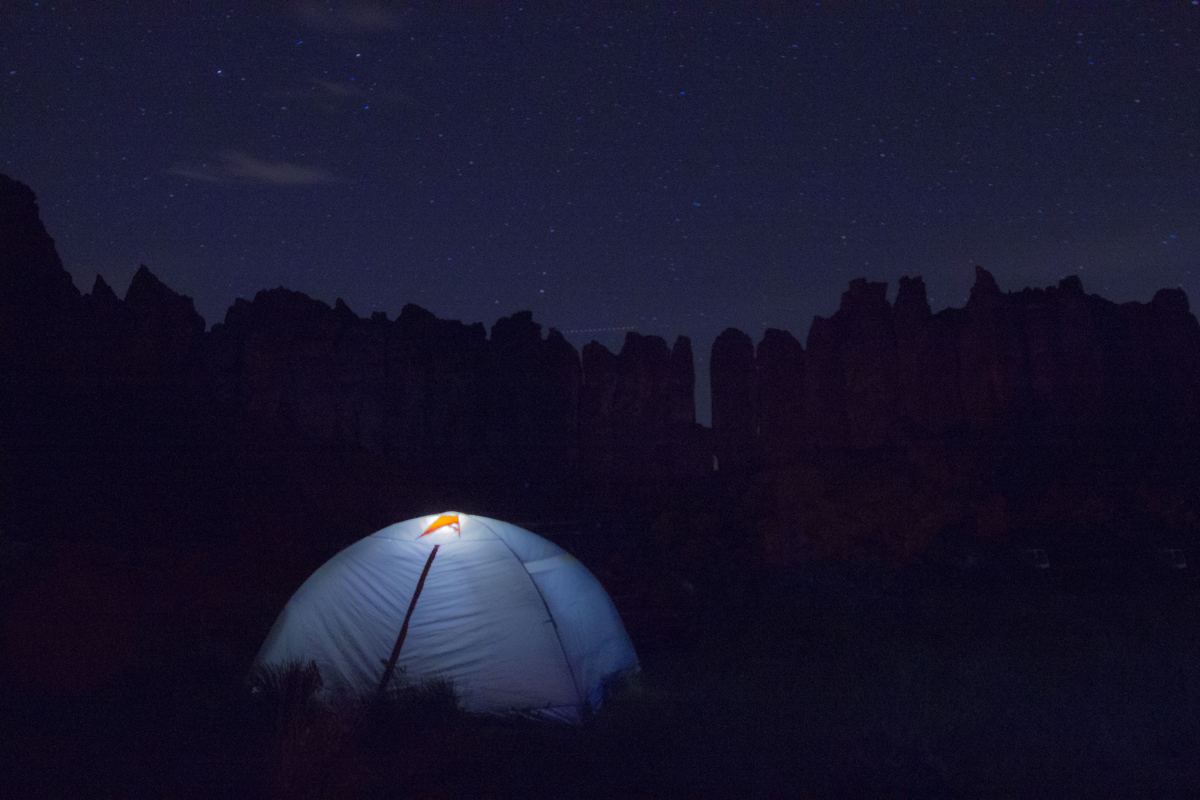 Down or Synthetic Sleeping Bag InsulationDown loft, fill power and wet performance versus synthetic insulation’s damp-weather behavior. Choose for your climate and care habits—not for marketing adjectives.
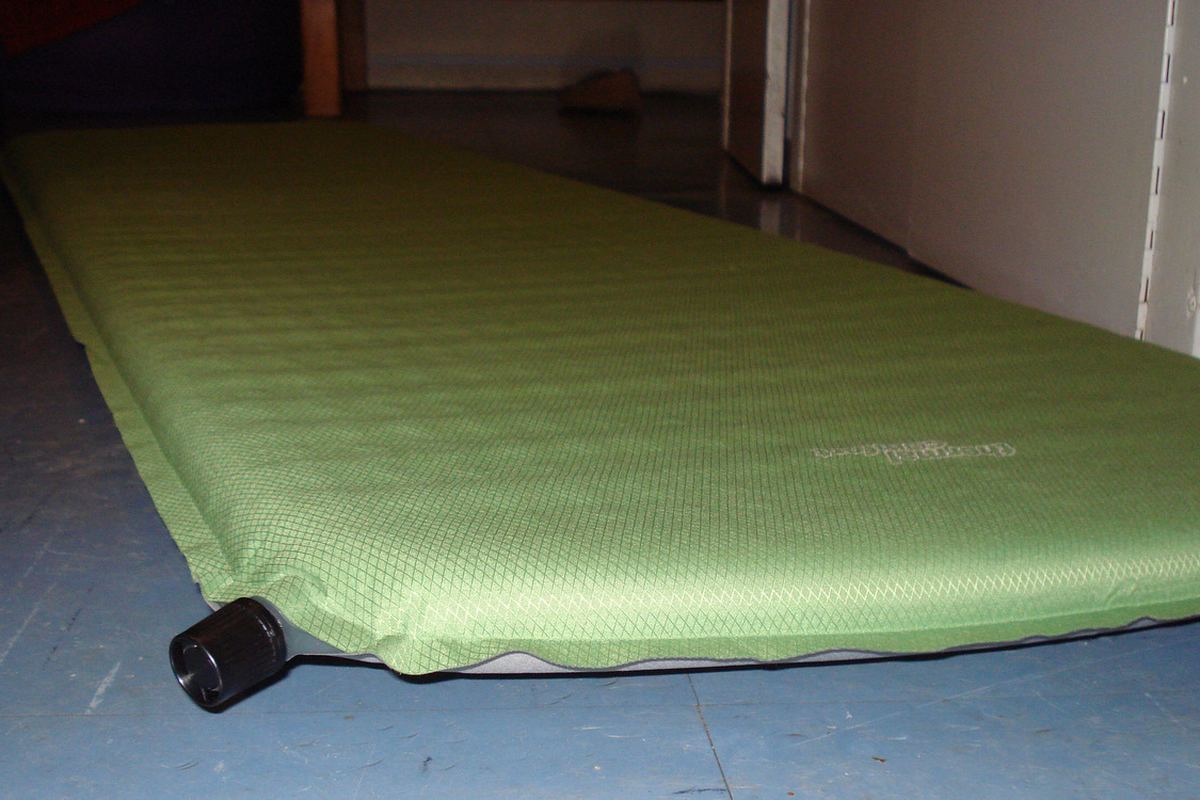 Sleeping Pad R-Values: How Warm Is Warm EnoughR-value measures how well a pad resists heat loss into the ground. Learn what ASTM F3340 numbers mean and how to pick a pad for summer, three-season and cold nights.
 How to Match a Sleeping Bag and Pad for Cold NightsWarm nights need a bag and pad that work together. Use temperature ratings and R-values as a system, then add clothing and a dry tent.
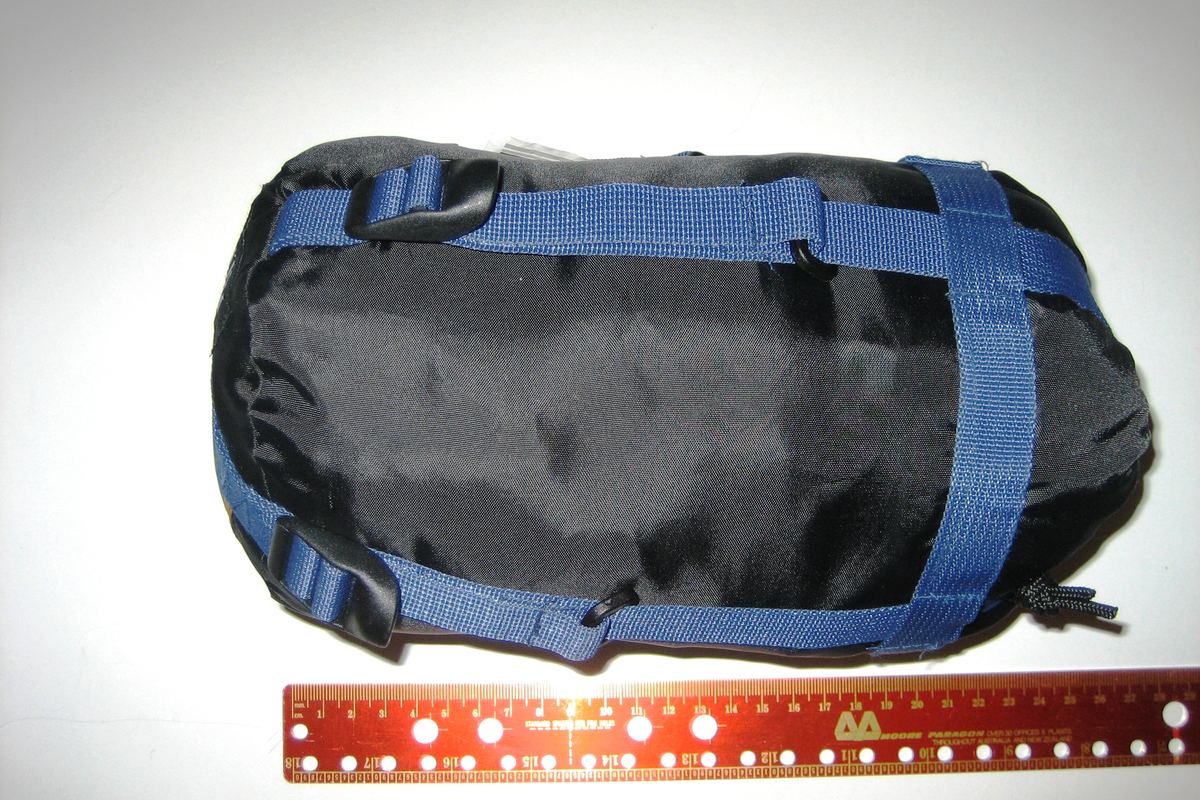 How to Pack and Store a Sleeping BagStuff sacks are for travel; long-term storage needs room to loft. Learn packing methods that protect insulation and what to do after a wet trip.
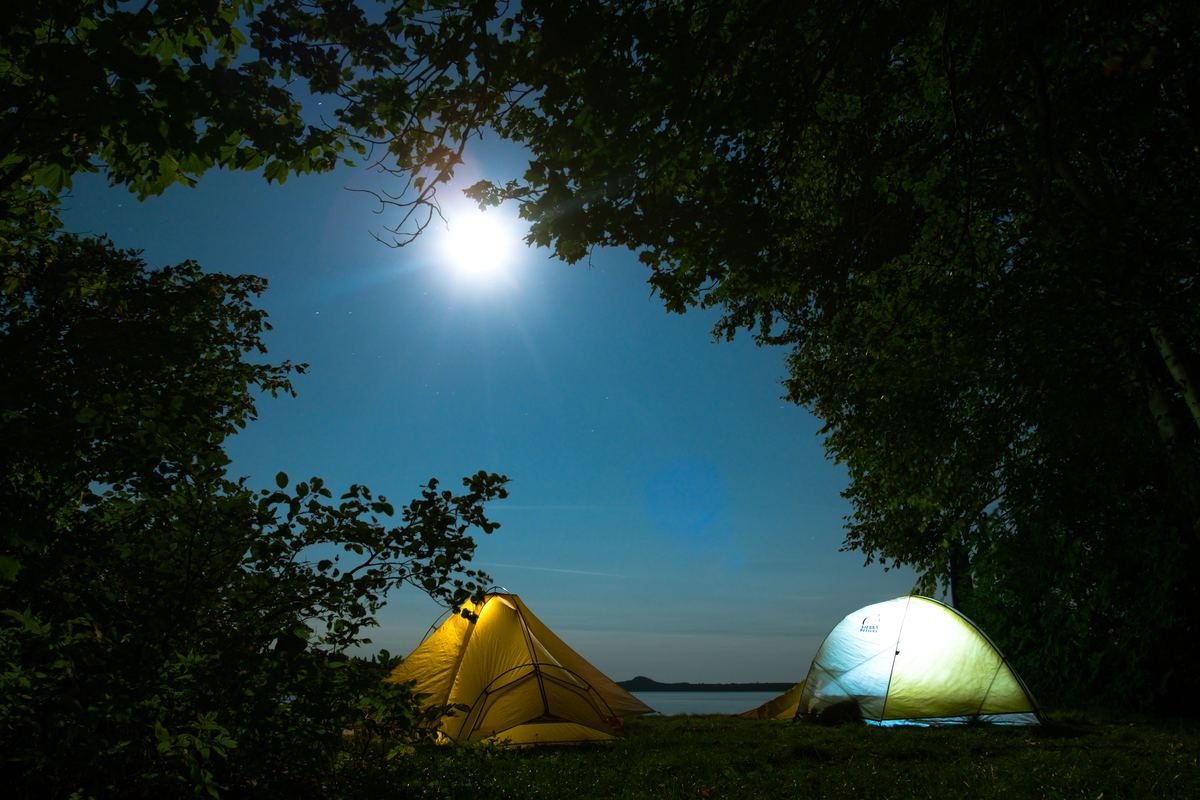 Sleeping Bag Shapes: Mummy, Rectangular and HybridMummy bags save weight and warmth; rectangular bags feel like bed covers. Hybrid and quilt designs sit in between. Pick a shape that matches how you sleep.
 How to Choose a Kids Sleeping BagKids cool faster than adults. Size the bag to the child, treat temperature ratings cautiously, and pack a pad and backup blanket for car camping.
Hiking boots & footwear
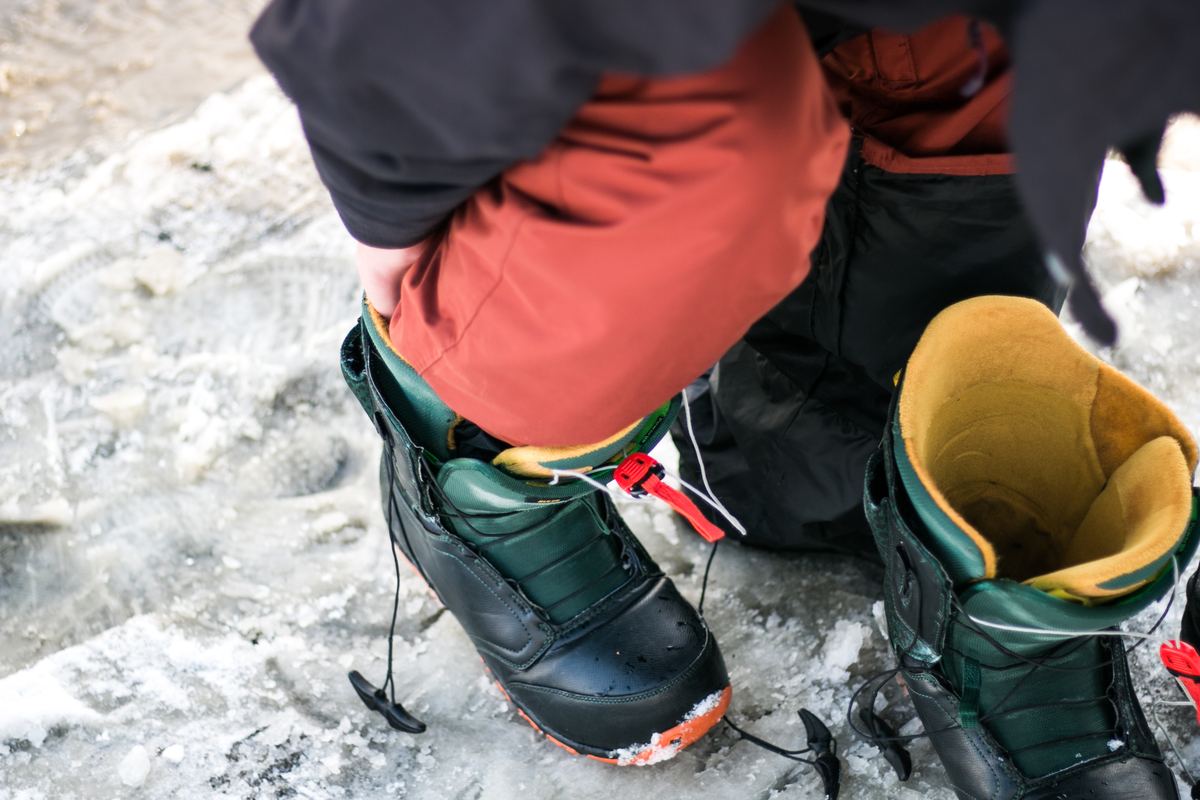 How to Fit Hiking BootsFit is the difference between a great hike and blisters. Learn how to measure, try on with hiking socks, check heel hold and toe room, and know when to size up.
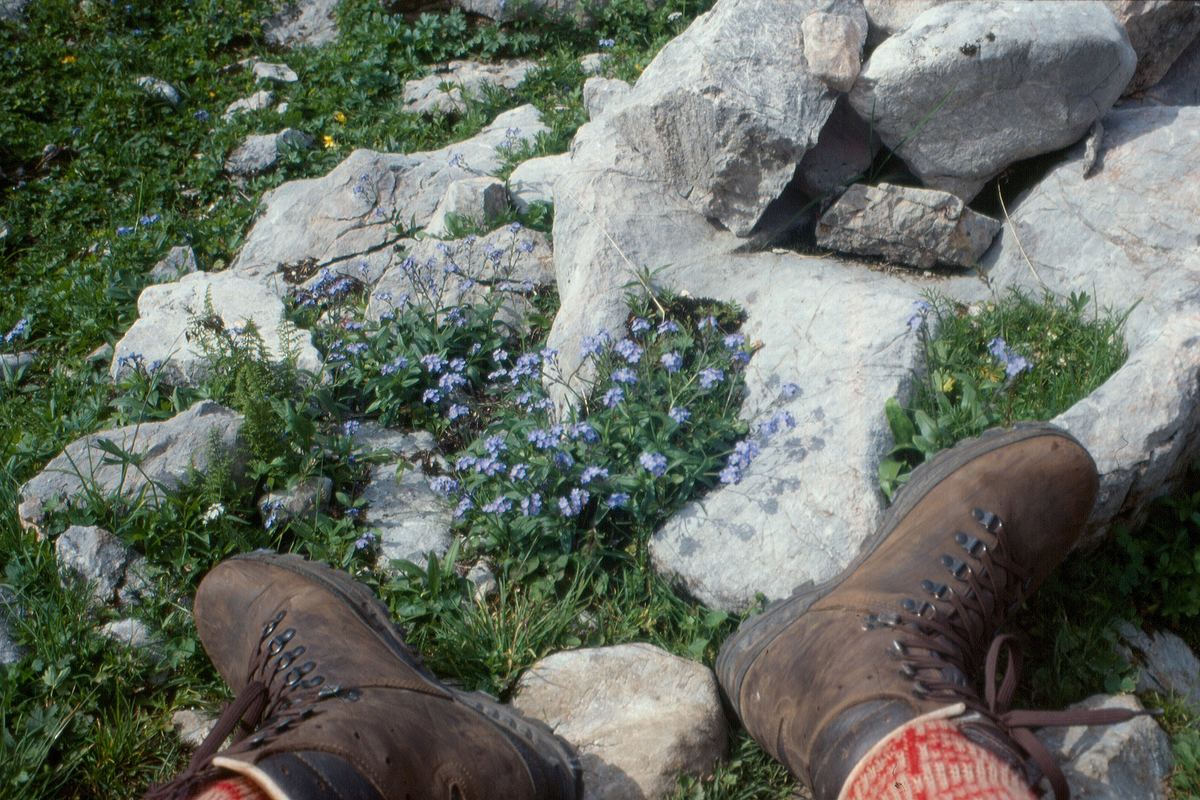 How to Break In Hiking Boots Without BlistersStiff boots need gradual miles, the right socks and smart lacing. Here’s a break-in plan that doesn’t start on day one of a long trip.
 Waterproof Hiking Boots: Membranes, Leather and When You Need ThemWaterproof boots keep trail puddles out—and can keep sweat in. Learn how membranes and treated leather work, and when non-waterproof shoes are the better call.
 Choosing Hiking Footwear: Boots, Mid Hikers and Trail ShoesMatch footwear to terrain, pack weight and weather. Stiffer boots for heavy loads and rough ground; lighter shoes for day hikes on good trail.
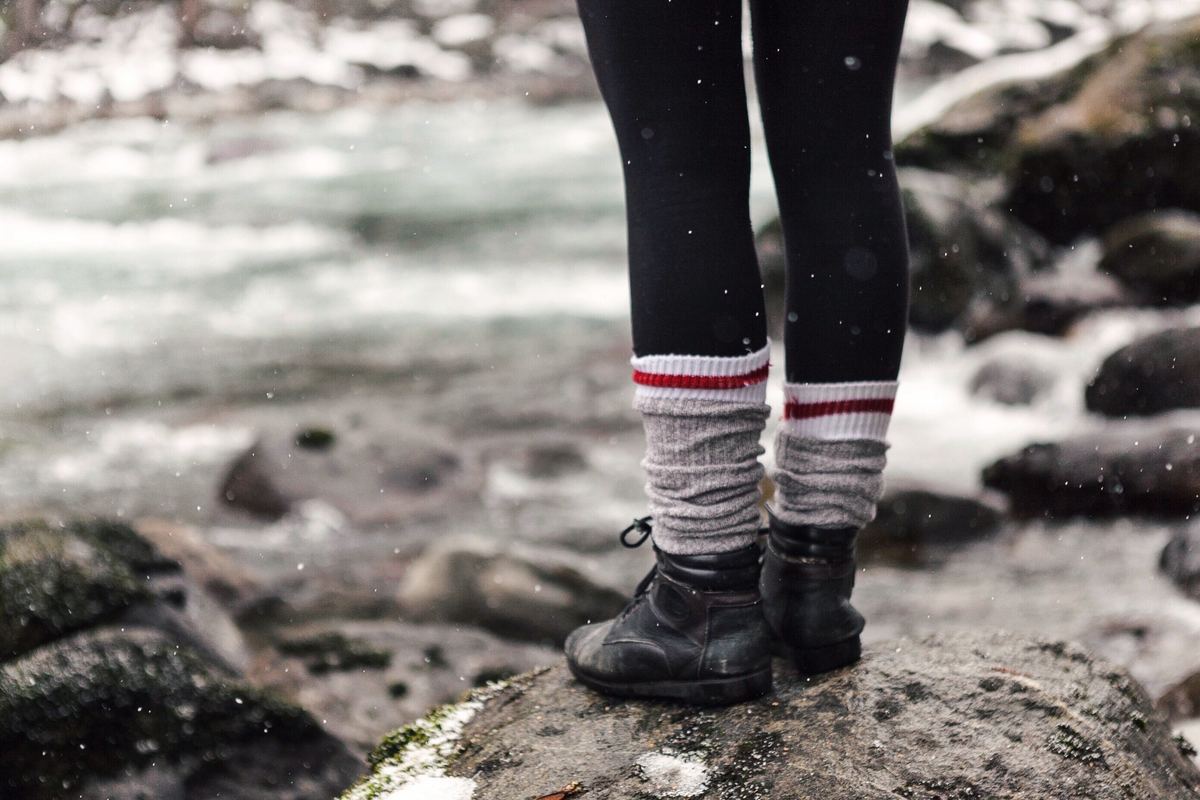 Hiking Boot Care BasicsClean mud off, dry boots the right way, condition leather when needed and know when resoling beats replacing. Small habits extend boot life.
Lighting & power
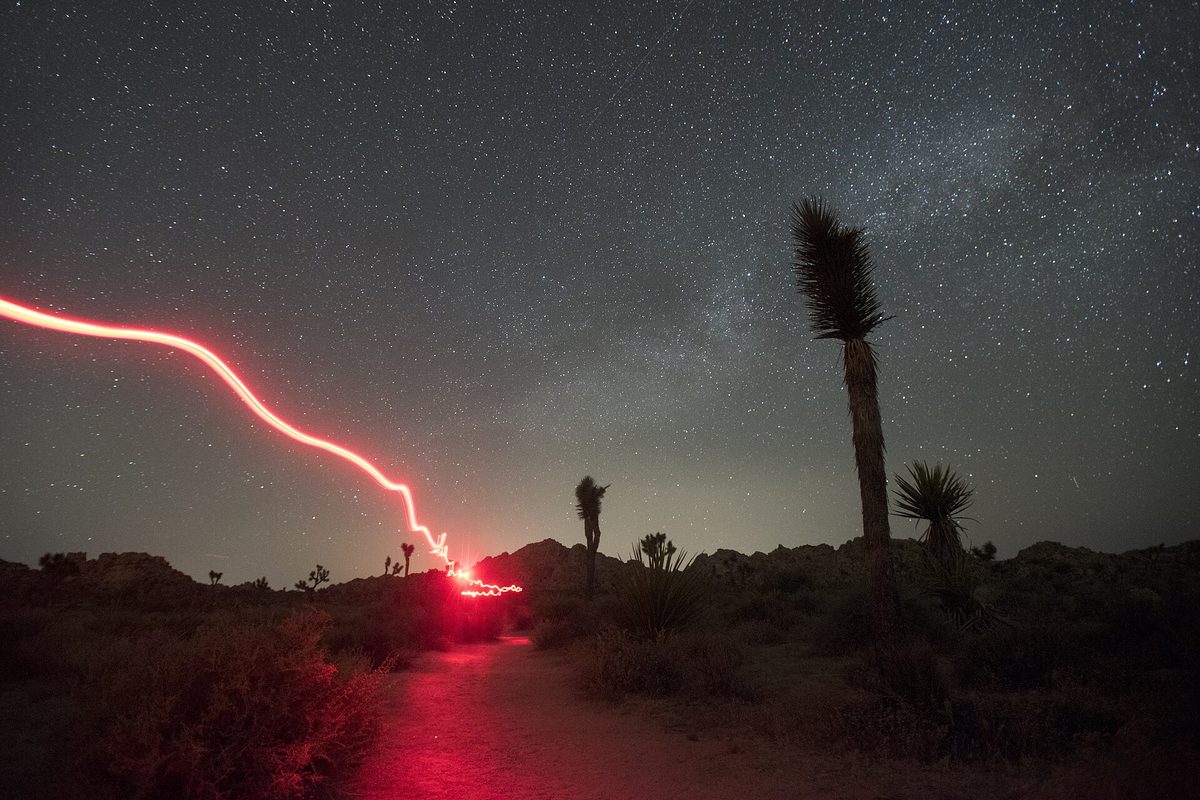 How to Choose a Headlamp for CampingLumens, beam types, red light, batteries and water resistance explained, so you can pick a headlamp that fits how you actually camp.
 How to Choose a Camping LanternLED or fuel, how bright, how long it runs and where to hang it: a practical guide to lighting your campsite table and tent.
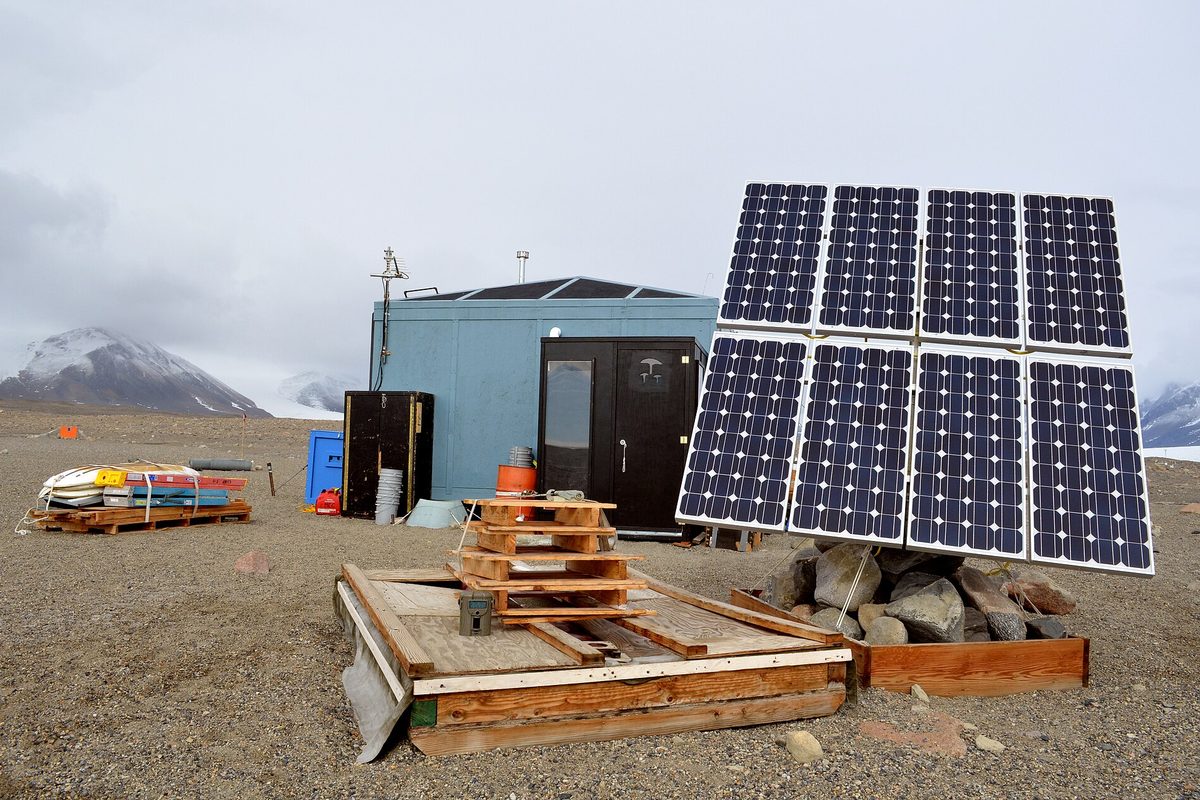 Camp Batteries and Charging: Keep Your Lights RunningAlkaline, lithium and rechargeable batteries, power banks, solar panels and car charging explained for campers who want their lights to last the whole trip.
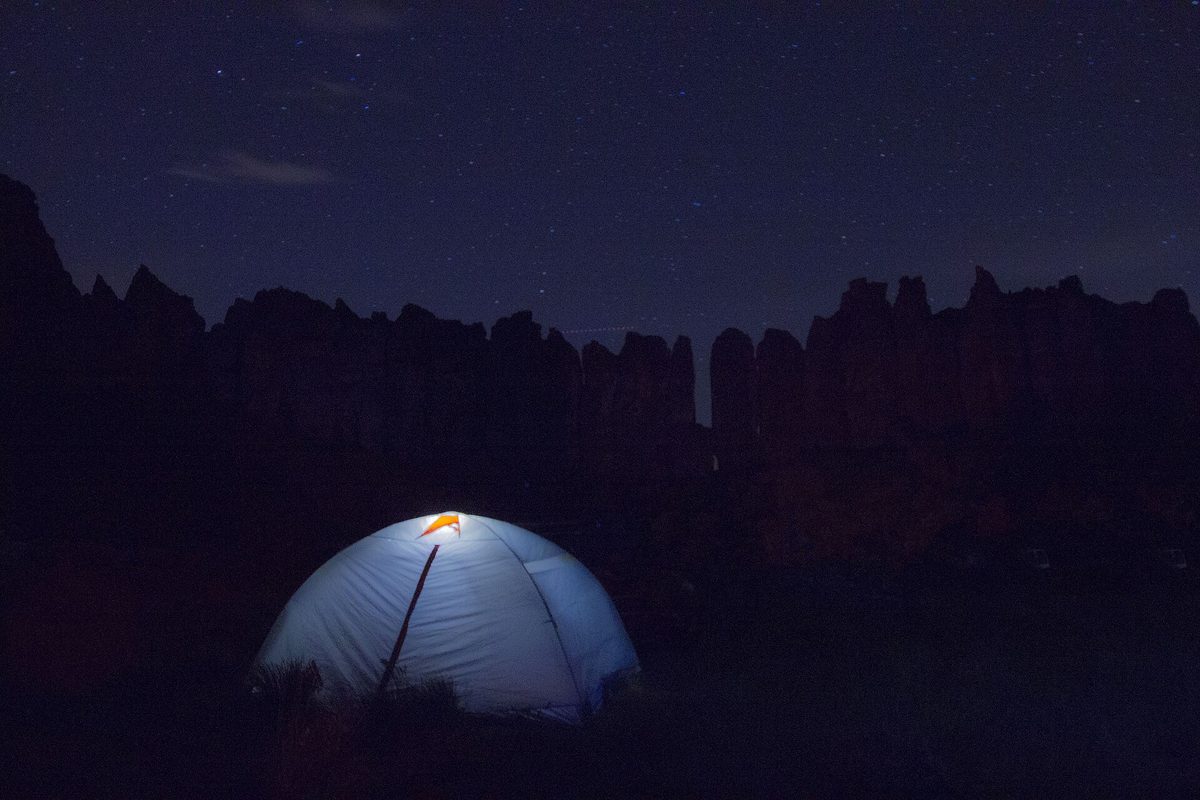 Campsite Lighting: A Simple Plan for Safe, Comfortable NightsWhere to put lights at camp, how much you need, and how to light your site without bothering neighbors or washing out the stars.
Gear care
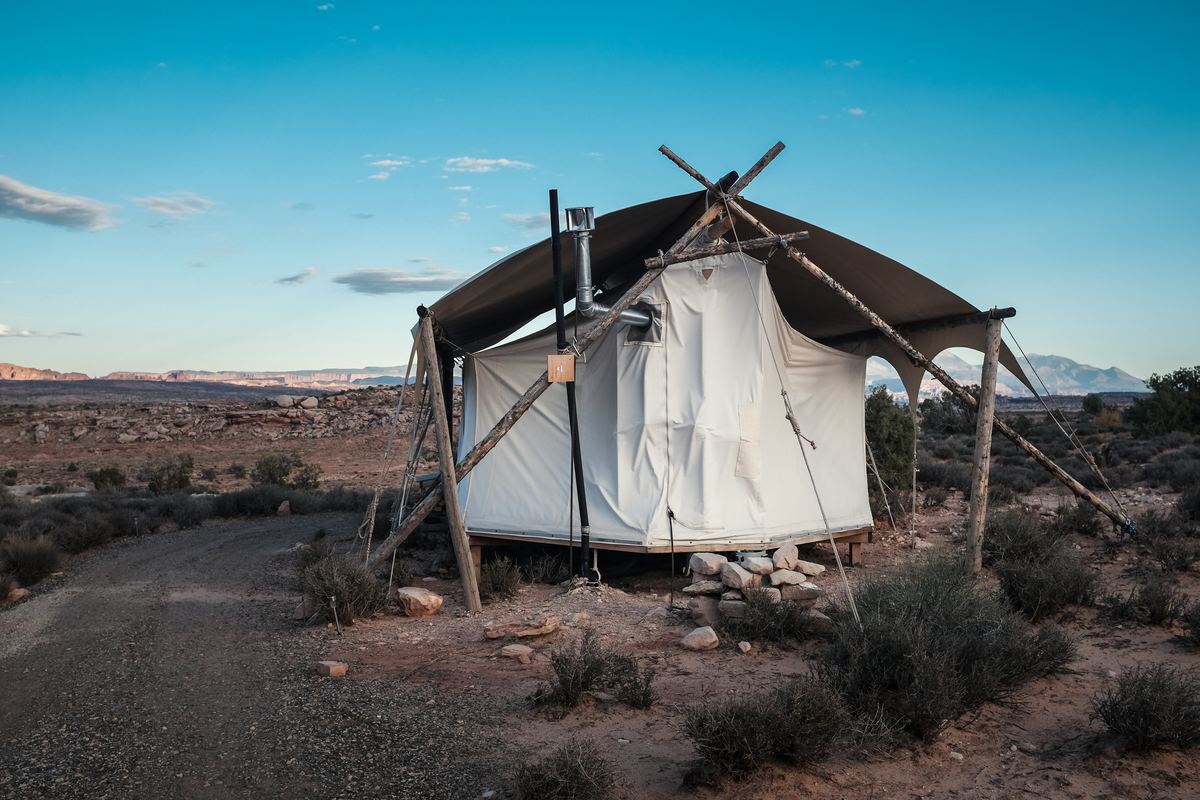 How to Clean and Store a TentDry it completely, clean it gently, store it loosely. A step-by-step routine that prevents mildew, protects coatings and keeps zippers and poles working.
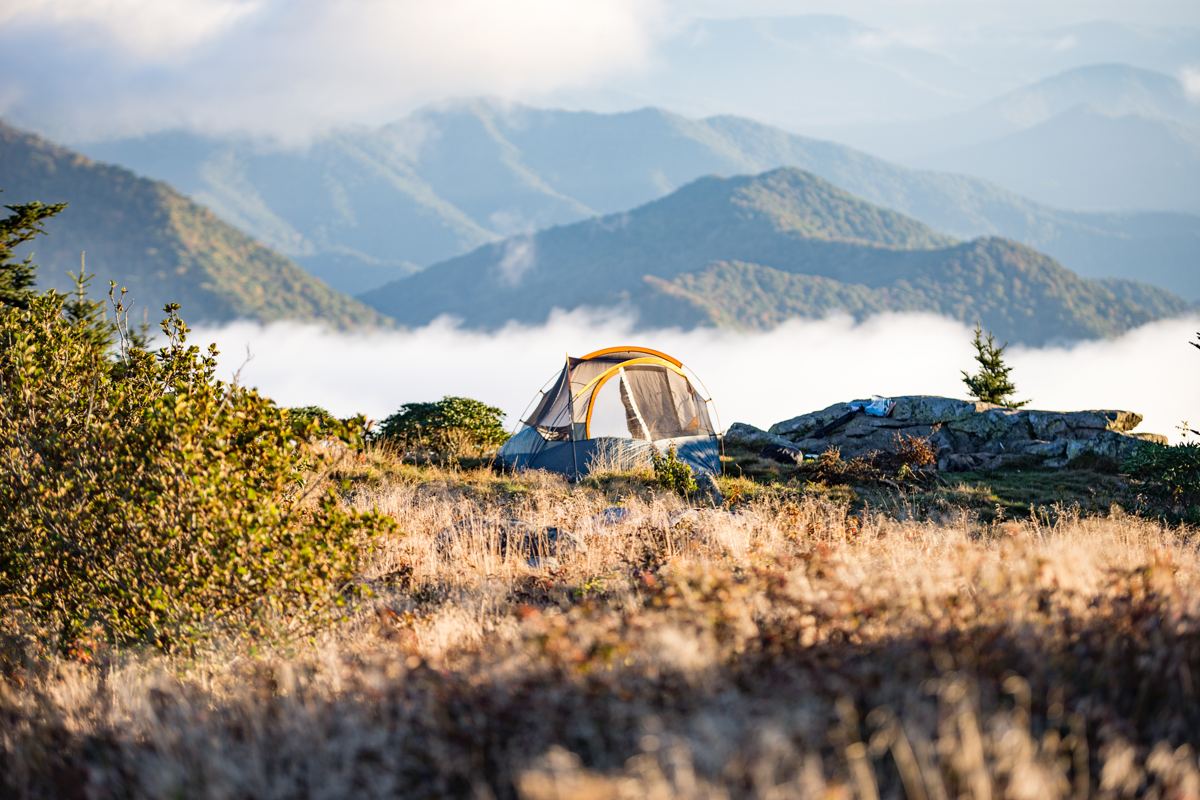 How to Wash a Down Sleeping BagWashing restores loft when body oils and dirt build up. Use a front-loading washer or a tub, a down-specific wash, a long low-heat dry and patience.
 How to Re-Waterproof a Tent and Rain GearMost “leaks” in older gear come from worn DWR, dirty fabric or failing seam tape. Learn how to clean, restore water repellency and seal seams.
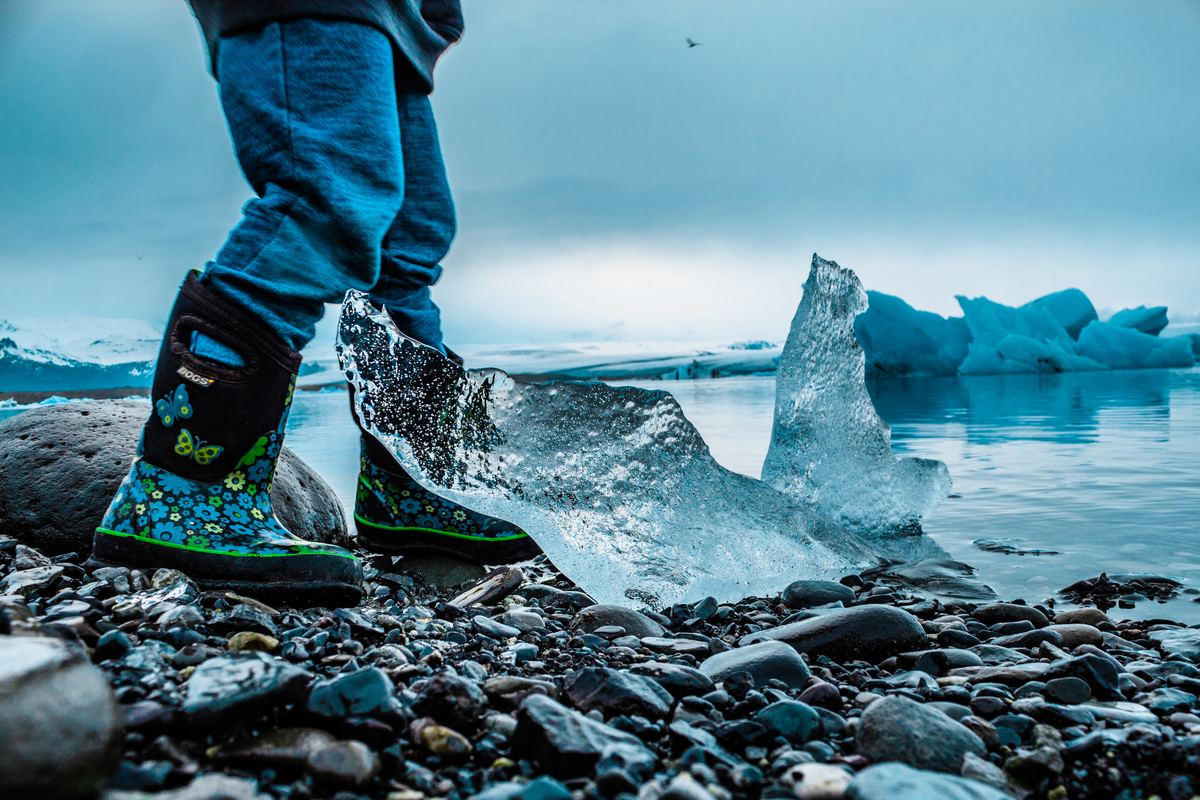 How to Clean and Waterproof Hiking BootsClean, dry and re-treat boots with the right product for leather, suede or fabric. Keep waterproof membranes breathing and leather from cracking.
 How to Store Camping Gear Between SeasonsA simple end-of-season routine for tents, sleeping bags, pads, stoves, coolers and lights so everything works on the first trip next year.
Campsite basics
 How to Choose and Set Up a CampsitePick a flat, durable, legal spot; place the tent, kitchen and fire sensibly; and respect neighbors and wildlife. A practical guide for car and family campers.
 How to Layer Clothing for CampingBase, mid and outer layers let you adjust to cold mornings, hot afternoons and rainy evenings. What to wear, what to avoid and what to pack.
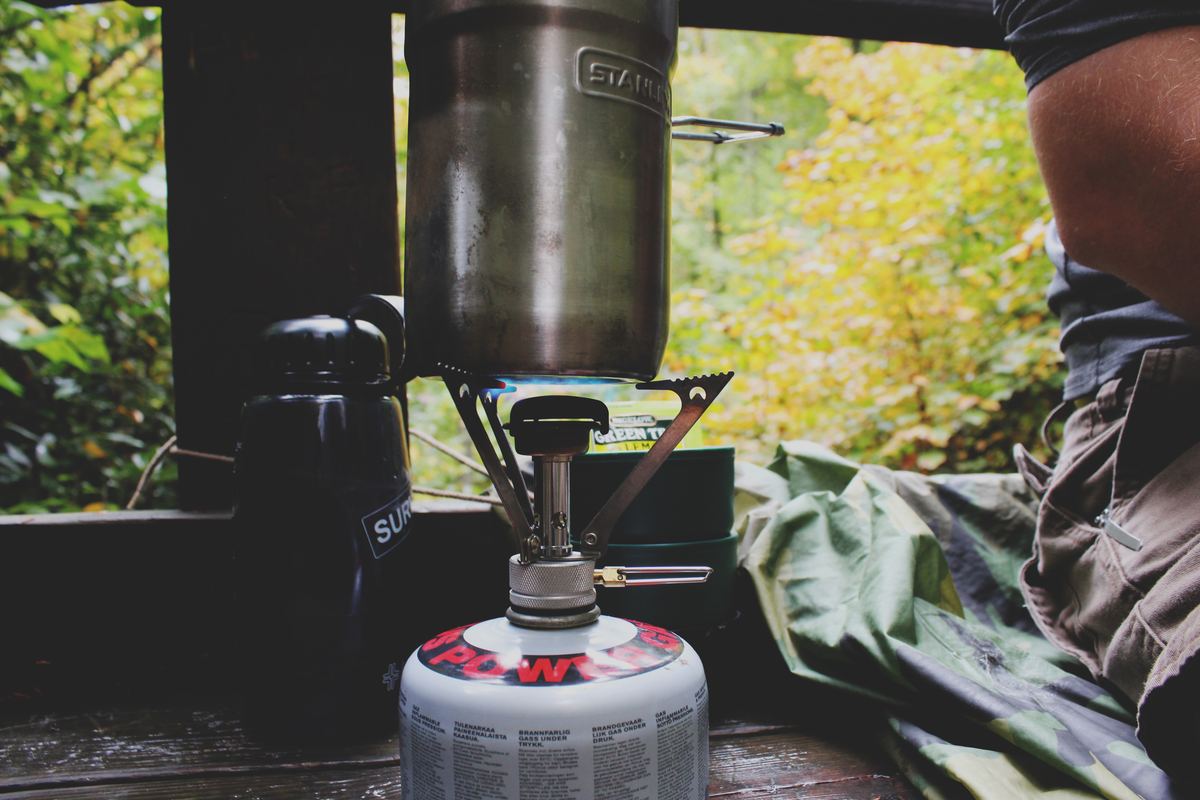 Camp Kitchen Basics: Stoves, Cooking and CleanupSet up a safe, efficient camp kitchen: choosing and using a two-burner stove, a simple gear list, food safety with coolers, and cleanup that keeps wildlife away.
 How to Pack a Cooler for CampingPre-chill, use the right mix of block and cubed ice, pack in layers and keep it shaded and closed. Keep food colder longer without guesswork.
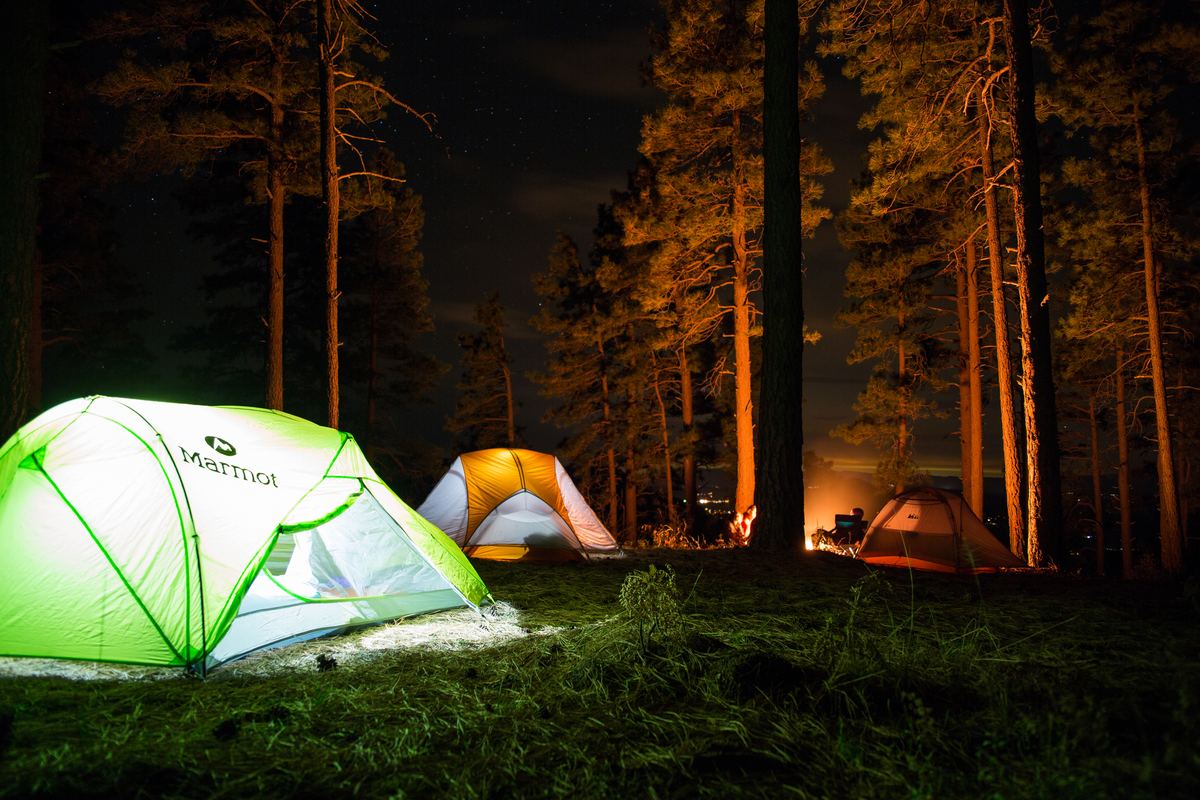 First Car-Camping Trip ChecklistA complete, practical checklist for your first car-camping trip: shelter, sleep, kitchen, clothes, lights, safety and the small things people forget.
Photos on guide pages are illustrative free stock photos (credits on each page), not product photos.