
Camp Kitchen Basics: Stoves, Cooking and Cleanup
Set up a safe, efficient camp kitchen: choosing and using a two-burner stove, a simple gear list, food safety with coolers, and cleanup that keeps wildlife away.
By the CampTier team · Updated 2026-10-15 · About 5 min read
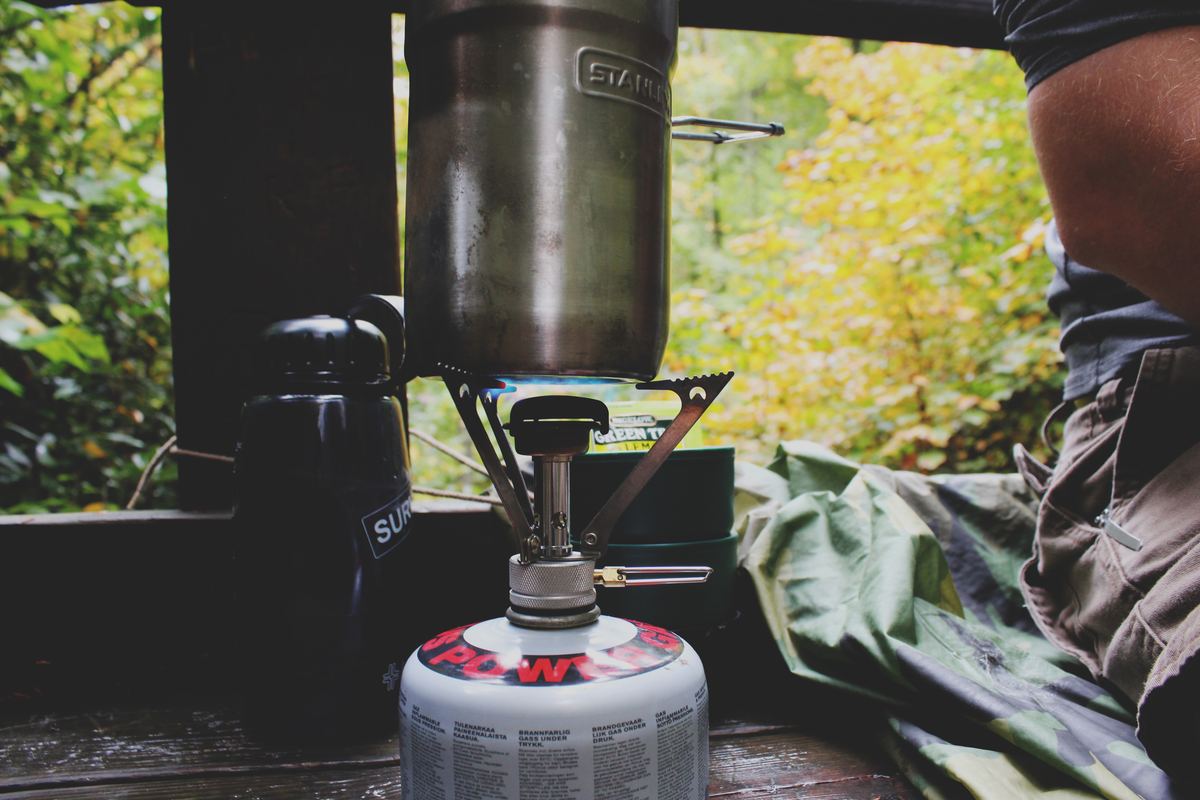
What a car-camping kitchen needs
A good camp kitchen doesn’t have to be complicated. The basics:
- Stove: a two-burner propane stove is the classic car-camping choice. Backpacking stoves work for simple meals.
- Fuel: the right canister or cylinder for your stove, plus a spare.
- Lighter or matches, even if the stove has an igniter.
- Cookware: a pot, a frying pan and lids.
- Utensils: spatula, spoon, tongs, knife, cutting board, can opener.
- Plates, bowls, cups and eating utensils.
- Cooler with ice: see how to pack a cooler.
- Water jug for cooking and washing.
- Cleanup kit: biodegradable soap, sponge, wash bins, towels, trash bags.
Compare stoves, cooksets and utensil kits by specs on our kitchen page.
Stove safety
- Use stoves outdoors only. Never use a stove, grill or heater inside a tent, vehicle or enclosed space. Carbon monoxide can kill, and tents can catch fire.
- Set the stove on a stable, level surface like a picnic table.
- Keep it away from tents, overhanging branches and anything flammable.
- Follow the manufacturer’s instructions for connecting fuel and lighting.
- Check connections for leaks according to the manual.
- Let the stove cool before packing it away.
- Keep kids at a safe distance.
Setting up the kitchen
- Use the picnic table as your counter, with the stove at one end.
- Set up a wind screen if your stove has one; wind steals heat.
- Arrange a “wash station” with two bins (wash and rinse) away from the cooking area.
- Keep the cooler in shade and close at hand.
- Keep a trash bag hanging or in a bin.
Planning meals
For a first trip, keep it simple:
- Breakfast: oatmeal, eggs and toast, pancakes, coffee or hot chocolate.
- Lunch: sandwiches, wraps, fruit, snacks.
- Dinner: one-pot pasta, tacos, foil packets over the fire (where fires are allowed), grilled sausages.
- Snacks: trail mix, granola bars, fruit, crackers and cheese.
Prep at home: chop vegetables, marinate meat, measure dry ingredients into bags. That means less work and less mess at camp.
Food safety
- Keep cold food cold. A cooler with plenty of ice helps keep perishable food at safe temperatures.
- Store raw meat in sealed containers at the bottom of the cooler so it can’t drip onto other food.
- Wash hands before cooking and after handling raw meat. Bring hand sanitizer.
- Cook meat thoroughly.
- Don’t leave perishable food out for long periods, especially in hot weather.
Water
Bring enough drinking and cooking water, or know where potable water is at the campground. If you collect water from natural sources, treat it with a filter, purifier or boiling as appropriate.
Cleanup
- Scrape food scraps into the trash.
- Wash dishes in warm, soapy water in a bin.
- Rinse in a second bin.
- Let dishes air-dry or towel-dry.
- Dispose of gray water according to campground rules—often at designated sinks or dump stations, or by straining food bits and scattering the water away from camp and water sources where allowed.
- Pack out all trash.
Wildlife
- Store food, trash, coolers and cooking gear according to campground rules.
- In bear country, use bear boxes or other required methods.
- Never leave food unattended.
- Clean up crumbs and spills.
Coffee at camp
Options include pour-over cones, French presses, percolators and instant coffee. A pour-over cone and a kettle on the stove is a simple start.
FAQ
Can I cook over the campfire?
Where fires are allowed, yes, with care. Use a grill grate over the fire ring and heat-resistant gloves. Have a stove as a backup in case of fire restrictions.
How much fuel do I need?
It depends on your stove, the weather and what you cook. Bring a spare canister on your first trips until you learn how much you use.
Plan the rest of your trip with campsite basics and the first car-camping checklist.
Two-burner stove tips
- Many two-burner stoves use small propane cylinders; some can connect to a larger tank with an adapter hose, if the manufacturer supports it.
- Wind screens or side panels improve efficiency.
- A simmer control matters if you cook delicate food like pancakes or eggs.
- Clean spills promptly, and check burners for blockages.
Organizing a kitchen bin
Keep a dedicated kitchen bin packed between trips:
- Stove and lighter
- Cookset and utensils
- Plates, bowls and cups
- Cutting board and knife
- Spices and oil in leak-proof containers
- Wash bins, soap, sponge and towels
- Trash bags
- Paper towels
Restock after each trip so you’re ready to go next time.
Choosing a stove for car camping
For car camping, a two-burner propane stove is the most common choice: it is stable, familiar and lets you run a pot and a pan at the same time. Single-burner canister stoves are smaller and lighter, which suits backpacking and simple meals. Whatever you choose, check how it connects to fuel, whether it has wind protection, and how many burners you actually need. You can compare stoves by spec on our kitchen page.
A simple first-trip menu
Plan meals that are easy, forgiving and familiar:
- Breakfast: oatmeal with toppings, or eggs and tortillas.
- Lunch: sandwiches or wraps with no cooking at all.
- Dinner: one-pot meals such as pasta, chili or tacos, with as much prep done at home as possible.
- Snacks: fruit, trail mix and crackers.
Chop vegetables, mix spice blends and pre-cook anything slow at home. The less you do at camp, the more you enjoy it. Plan one backup meal that needs no cooking in case of rain or stove trouble.
Kitchen layout at the campsite
Set the kitchen downwind of the tents and away from anything flammable, with the stove on a stable, level surface. Keep a clear zone around the stove so nobody bumps it. Put a wash station nearby: a basin for washing, a basin for rinsing, and a small container for scraps. Many campers set the kitchen near the picnic table and the sleeping area on the opposite side of the site.
Gray water and scraps
Dispose of dishwater according to campground rules. Many campgrounds ask you to use designated utility sinks or dump stations, and not to pour gray water on the ground or into restroom sinks. Strain food scraps out first and pack them out with your trash. Food bits left on the ground attract animals and make campsites harder for the next visitors.
Lighting for cooking after dark
Cooking by headlamp alone casts harsh shadows and blinds whoever you look at. A lantern hung above the table gives even light. Keep any fuel-burning lantern away from tent fabric and never use it inside a tent. See choosing a camping lantern.
Filter camp kitchen by spec → Compare up to 3 →
Related guides
- How to Choose and Set Up a Campsite
- How to Pack a Cooler for Camping
- First Car-Camping Trip Checklist
- How to Store Camping Gear Between Seasons
- Camp Stoves and Fuel Basics
General guidance from CampTier, based on manufacturer instructions and common outdoor practice. We don’t claim hands-on testing. Always follow your gear maker’s care and safety instructions. See our safety notes.