
How to Choose and Set Up a Campsite
Pick a flat, durable, legal spot; place the tent, kitchen and fire sensibly; and respect neighbors and wildlife. A practical guide for car and family campers.
By the CampTier team · Updated 2026-10-15 · About 5 min read
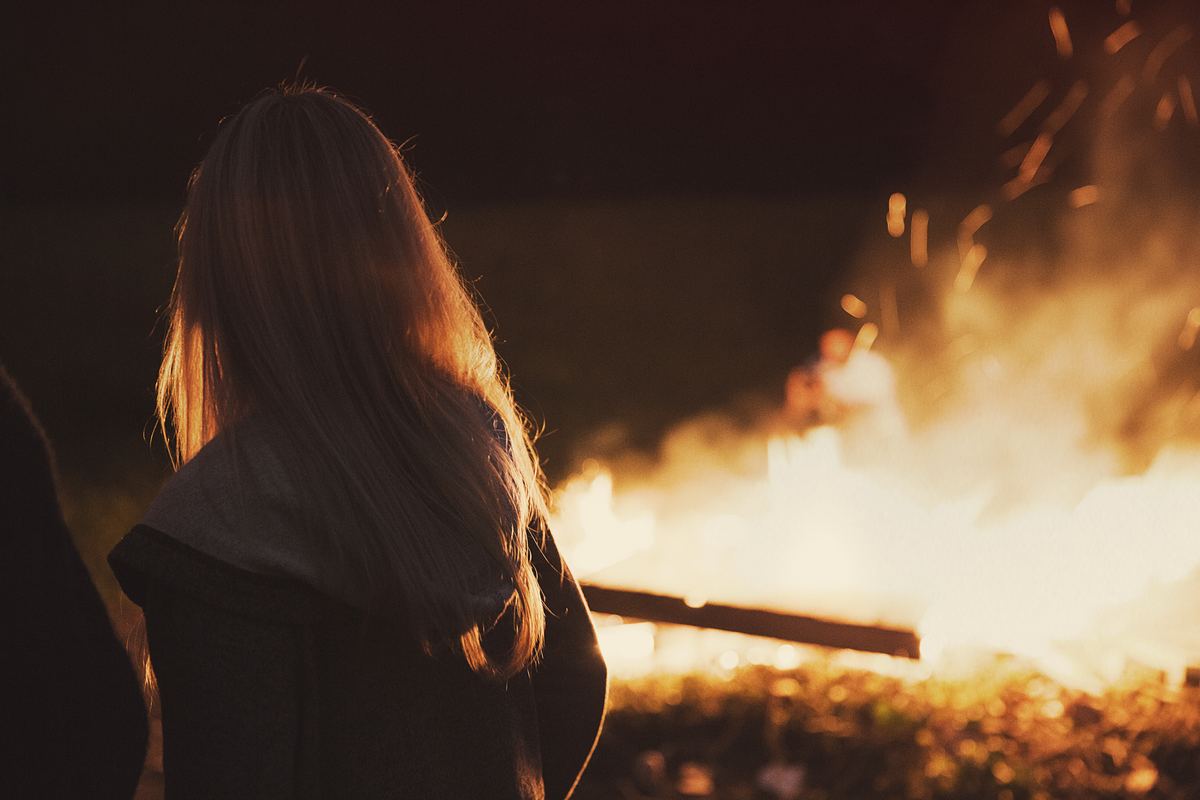
Choosing a campground
For a first trip, choose a developed campground with:
- Marked sites with tent pads or flat areas
- Restrooms and potable water
- Picnic tables and fire rings
- Rangers or hosts on-site
Many public campgrounds can be reserved online. Popular parks book up early for summer weekends. Check the site description for tent pad size, shade, and distance from restrooms and parking.
Choosing a site within the campground
When you can pick:
- Flat ground: look for the most level area for the tent.
- Drainage: avoid low spots where water pools.
- Shade and sun: morning sun dries dew; afternoon shade keeps tents cooler in summer.
- Wind: some shelter from trees or terrain helps.
- Hazards: avoid camping under dead trees or large dead branches.
- Noise: sites near restrooms or the entrance get more traffic.
- Space: check the tent pad size against your tent’s footprint.
Laying out your site
A practical layout:
- Tent: on the tent pad or most level spot, away from the fire ring and upwind of smoke if possible.
- Kitchen: near the picnic table, away from the tent. In bear country, follow rules about cooking and food storage distances from sleeping areas.
- Fire: only in the existing fire ring, with chairs a safe distance back.
- Car: often the best place for food storage in campgrounds without bears, or as required by rules.
- Paths: keep walkways clear of guy lines, or mark guy lines with reflective cord.
Arriving and setting up
- Arrive with daylight to spare.
- Check in and read posted rules (quiet hours, fire restrictions, food storage).
- Walk the site before unloading.
- Pitch the tent first, then set up the kitchen, then chairs and lights.
Campfire safety
- Check current fire restrictions. They can change daily in dry seasons.
- Use only existing fire rings.
- Keep fires small and manageable.
- Never leave a fire unattended.
- Keep water and a shovel nearby.
- Drown, stir and feel: put the fire out with water, stir the ashes, and add more water until everything is cool to the touch.
- Buy firewood locally or use certified heat-treated firewood to avoid spreading invasive pests. Many areas restrict moving firewood.
Wildlife and food storage
- Store food, coolers, trash and scented items (toothpaste, sunscreen) according to campground rules: bear boxes, hard-sided vehicles or other approved methods.
- Never leave food out unattended or bring it into the tent.
- Keep a clean camp: wipe tables and pick up crumbs.
- Observe wildlife from a distance and never feed animals.
Being a good neighbor
- Respect quiet hours.
- Keep lights pointed down and turn off bright lanterns late at night.
- Don’t walk through other campsites.
- Keep pets leashed and under control, and clean up after them.
- Leave your site cleaner than you found it.
Water and restrooms
Know where potable water spigots and restrooms are. Bring a water jug for the site. Use designated dishwashing stations or follow rules for gray water disposal.
Weather
Check the forecast before leaving and while there. Know what to do in a thunderstorm (move to a hard-sided vehicle or building if possible), and pay attention to flash flood warnings if camping near streams.
FAQ
Can I set up my tent anywhere on the site?
Most campgrounds require tents on the designated tent pad or area. Check posted rules.
How far should my tent be from the fire?
Keep tents well back from the fire ring, and never upwind of sparks. Many tents carry warnings about flame and heat; follow them.
What if my site is uneven?
Sleep with your head uphill. Use extra clothes under the pad to level dips.
Next steps: set up your tent, set up a camp kitchen, and plan food storage with how to pack a cooler.
Dispersed camping
Some public lands allow dispersed camping outside developed campgrounds. It has no facilities, and rules vary by agency and area: stay limits, distances from water and roads, fire rules and permit requirements. If you try it, check with the local land management office, use existing sites when possible, and pack out everything.
Campsite etiquette checklist
- Check out on time.
- Leave the fire ring clean and the fire fully out.
- Pick up micro-trash: bottle caps, twist ties, food bits.
- Don’t cut live trees or branches.
- Leave natural objects where you found them.
Before you arrive: reading the campground map
Most campgrounds publish a map online with numbered sites, restrooms, water spigots and loops. Before booking, look for:
- Distance to restrooms and water. Close is convenient with kids; very close can mean foot traffic and lights all night.
- Site type. Tent-only sites, RV sites and walk-in sites have different layouts and rules.
- Pad size. Some sites list the tent pad dimensions. Compare that with your tent’s footprint size.
- Shade and exposure. Satellite views help you guess how much shade and wind protection a site will get.
- Neighbors. Sites on the outside of a loop often feel more private.
Leave No Trace at developed campgrounds
The Leave No Trace principles apply even at a campground with picnic tables and flush toilets. In practice:
- Camp on the established tent pad or durable surfaces, not on vegetation.
- Pack out all trash, including small bits such as twist ties and food scraps.
- Leave natural items where you found them.
- Keep fires small, in existing fire rings, and only where fires are allowed.
- Respect wildlife: observe from a distance and never feed animals.
- Be considerate of other visitors, including with noise and light.
Lighting your site at night
A dark campsite is a tripping hazard: guy lines, tent stakes, chair legs and roots are hard to see. Plan a little light in each zone: a lantern over the table, small lights or reflective guy lines near the tent, and a headlamp for each person. Keep beams pointed down and use low or red modes around other campers. See our campsite lighting plan.
Packing up and leaving the site
Start packing up earlier than you think you need to, especially if checkout time is fixed. A good sequence: pack the inside of the tent, drop and shake out the tent, pack the kitchen once the last meal is done, then pick up a final sweep of micro-trash. Make sure the fire is completely out: drown it with water, stir the ashes, and drown it again until it is cool to the touch. Leave the site as clean as or cleaner than you found it.
Related guides
- How to Set Up a Tent the First Time
- Camp Kitchen Basics: Stoves, Cooking and Cleanup
- How to Pack a Cooler for Camping
- First Car-Camping Trip Checklist
- Campsite Etiquette and Leave No Trace
General guidance from CampTier, based on manufacturer instructions and common outdoor practice. We don’t claim hands-on testing. Always follow your gear maker’s care and safety instructions. See our safety notes.