
Campsite Etiquette and Leave No Trace
Quiet hours, shared spaces, trash, dishwashing, pets and the Leave No Trace habits that keep campgrounds livable for everyone.
By the CampTier team · Updated 2026-10-15 · About 4 min read
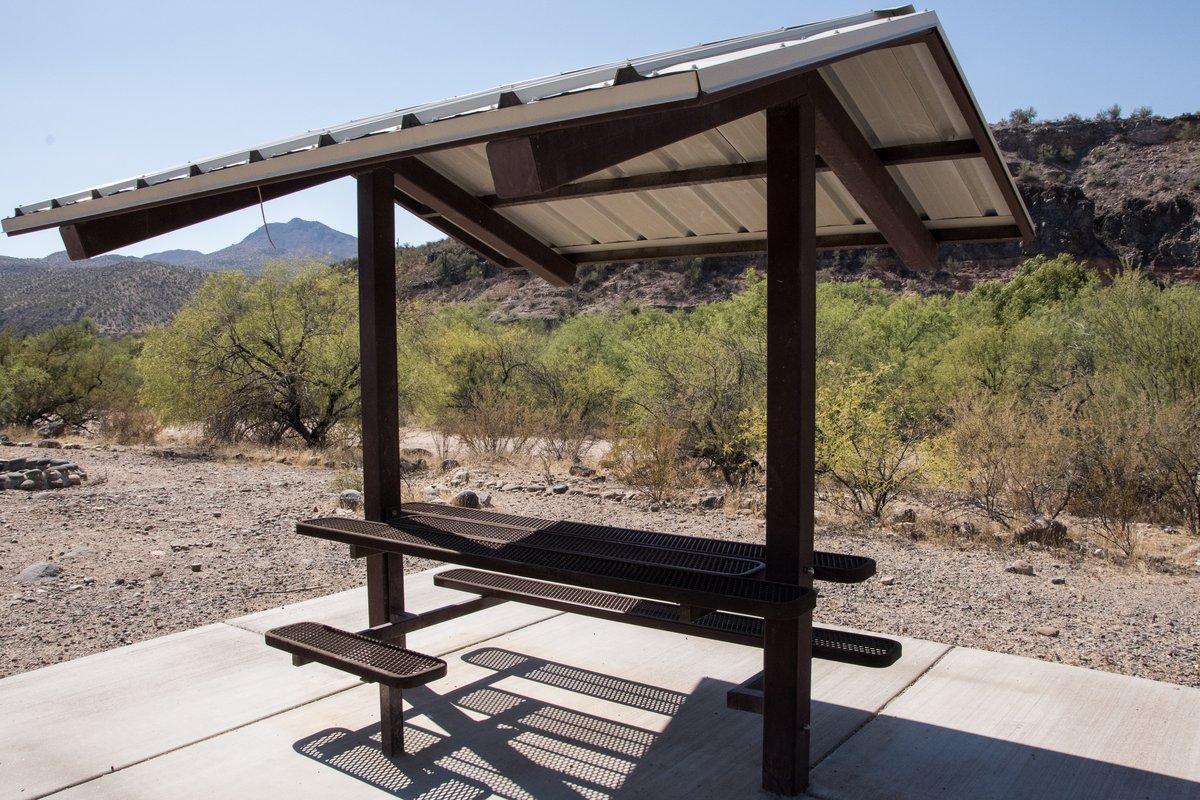
You are camping in public
A campground loop is a shared neighborhood for a night. Good etiquette keeps rangers friendly and neighbors willing to help when you need a jump start. Leave No Trace (LNT) principles, widely taught by outdoor educators, scale from backcountry to car camping—this guide focuses on practical campground habits.
Know the local rules
Quiet hours, generator hours, fire restrictions, bear boxes, pet limits and check-out times are not suggestions. Read the post at the entrance and the tag on your site post. When fire bans are active, use a stove instead of the ring—see camp stoves.
Quiet hours and noise
- Speakers belong off or in headphones after quiet hours—and preferably before.
- Generators only in allowed windows, and never aimed at someone else’s tent.
- Early coffee is fine; slamming car doors at 5 a.m. under someone else’s rain fly is not.
- Kids run and shout; that is normal in daylight. Help them find the playground or a trail when energy peaks at 9 p.m.
Dim lanterns and aim headlamps down—our lighting plan explains why bright lights ruin nights for everyone.
Footprint and site care
- Stay on the gravel pad and durable surfaces; do not trench or dig new ditches.
- Keep tents and kitchens inside the defined site, not in the undeveloped strip between loops.
- Do not hammer nails into trees or strip bark for kindling.
- Collect only down wood where it is allowed; many areas ban gathering entirely.
Trash, recycling and micro-trash
Pack out what you pack in when cans are full. Pick up twist ties, bottle caps and food wrappers—the “micro-trash” that outlives your weekend. Never burn plastic in the fire ring.
Dishwashing and gray water
Use designated dish sinks when provided. If you must wash at the site, use a small amount of biodegradable soap away from lakes and streams, strain food bits into the trash, and scatter gray water only where rules allow. Do not dump greasy water in the fire ring.
Food storage and wildlife
Use bear boxes or canisters where required. Coolers are not invisible to raccoons. Clean grills and store toiletries with food when animals are active. Feeding wildlife trains dangerous habits.
Shared buildings and water
Do not monopolize dish sinks or dump stations. Report overflowing trash to the host instead of stacking bags beside a full can for animals to tear. Fill water jugs without soaking the next person’s shoes.
Pets
Leash rules, waste bag rules and quiet hours apply. Details in camping with dogs.
Neighbors and conflict
A friendly wave goes far. If music or lights are a problem, a polite ask usually beats a feud. Involve the host for serious issues (generators past hours, unsafe fires), not for mild annoyance.
Leave No Trace in one campground paragraph
Plan ahead (rules, fuel, bags), travel on durable surfaces, dispose of waste properly, leave what you find, minimize campfire impacts, respect wildlife and be considerate of other visitors. That is the whole ethic in practice.
Common mistakes
- “The fire ring is a trash can”
- Walking through someone else’s site as a shortcut
- Drone flying over tents without checking rules and privacy
- Leaving lawn chairs in the road loop
Bottom line
Treat the loop like shared housing with thin walls: quiet after hours, clean sites, secure food, dim lights and packed-out trash. The best campsites stay open to everyone because visitors act like guests.
Hosts, rangers and fee stations
Say hello to the camp host when you arrive; they are the fastest path to firewood rules, spare trash capacity and storm warnings. Pay fees honestly. If you reverse into the wrong site, move before you unload the entire trunk onto the pad.
Generators, idling and headlights
Idling for air conditioning while pointed at someone’s tent is still noise and fumes. Use the lowest headlight setting when rolling in late, and switch to running lights as soon as you can see the spur. Park fully in your spur so loop traffic does not swerve around bumper overhangs.
Kids, bikes and scooters
Daytime bike loops are part of campground culture; after dark, wheels without lights startle people walking to restrooms. Teach kids which pads are not shortcuts. Retrieve toys before they migrate to the next site’s fire ring.
Photography and drones
Ask before photographing strangers’ kids. Drones are banned or restricted in many parks and are noisy over tents—check rules and skip them when people are trying to sleep.
Checkout kindness
Leave fire rings free of trash and half-burned plastic, rake only if the host asks (over-raking damages soil crusts in some regions), and report hazards like broken glass. A clean site is the quietest thank-you.
Fire rings are not ashtrays or trash cans
Burn only local, approved firewood. Do not burn cans, plastics or food wrappers. Drown fires until cold to the touch before bed and before checkout—warm coals restart in wind. On ban days, enjoy the stove and the stars instead.
Trailheads that start at the loop
Campground nature trails still deserve single-file manners, packed-out snack wrappers and leash compliance. Cutting switchbacks to “get back for dinner” damages the trail you came to enjoy.
Music and holidays
Holiday weekends amplify every noise choice. If you want a party, book a group site or a private venue. Standard loops are full of toddlers’ bedtimes and dawn anglers. Quiet generosity is contagious.
Accessibility awareness
Keep wheelchair-accessible pads and paths clear of spillover chairs and guy lines. Offer help at dump stations and water taps without taking over. Shared spaces work when everyone can reach them.
Grey areas: Bluetooth speakers and string lights
If you can hear lyrics two sites away, it is too loud. String lights are festive until they shine into a neighbor’s tent—aim them down and switch them off at quiet hours. Shared beauty beats a private light show.
Related guides
- How to Choose and Set Up a Campsite
- Campsite Lighting: A Simple Plan for Safe, Comfortable Nights
- Camping with Dogs: Gear Side
- First Car-Camping Trip Checklist
General guidance from CampTier, based on manufacturer instructions and common outdoor practice. We don’t claim hands-on testing. Always follow your gear maker’s care and safety instructions. See our safety notes.