
First Car-Camping Trip Checklist
A complete, practical checklist for your first car-camping trip: shelter, sleep, kitchen, clothes, lights, safety and the small things people forget.
By the CampTier team · Updated 2026-10-15 · About 5 min read
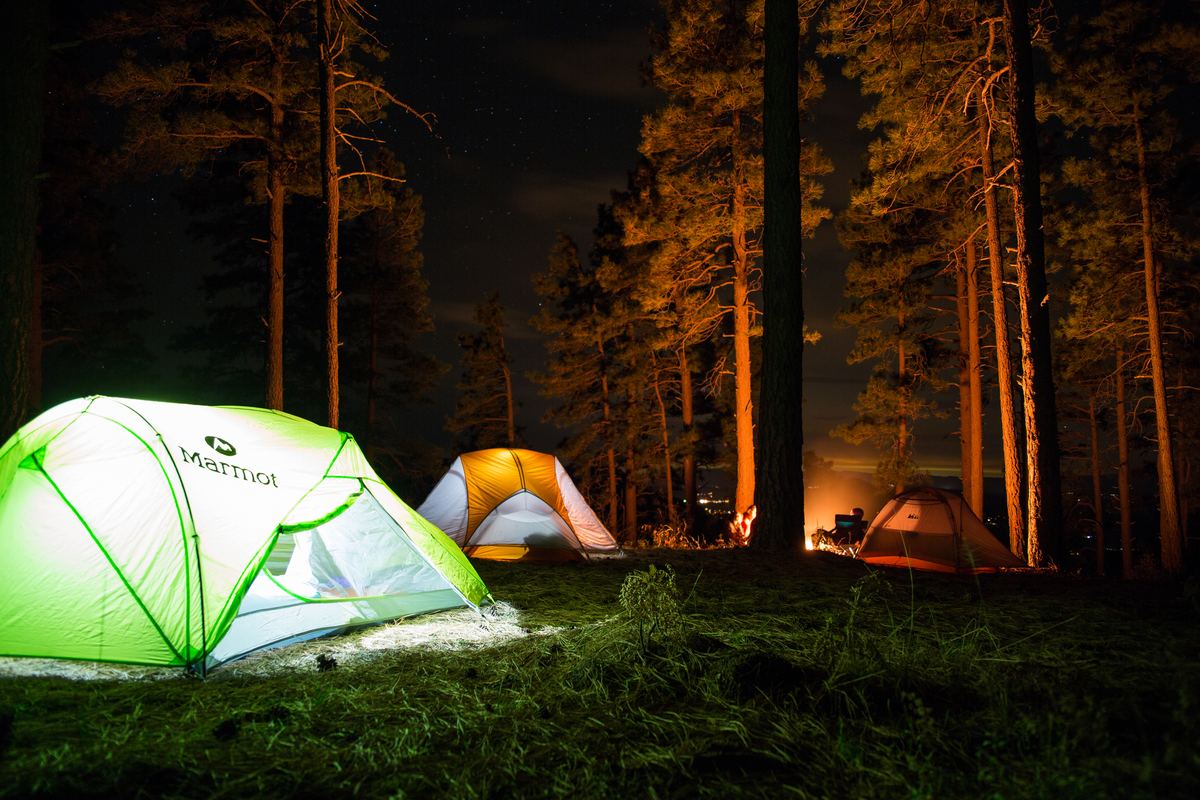
Before you go
- Reserve a campsite and note check-in time, site number and rules.
- Check the weather for the campground, not just the nearest town.
- Check fire restrictions.
- Practice setting up the tent at home: how to set up a tent.
- Plan meals and make a shopping list.
- Tell someone where you’re going and when you’ll be back.
- Download maps if there’s limited cell service.
Shelter
- Tent with poles, stakes, guy lines and rainfly
- Footprint or groundsheet: footprints
- Mallet
- Extra stakes
- Tarp and cord (optional, for a dry kitchen area)
- Small broom or brush for the tent floor
Size your tent with our capacity guide.
Sleep
- Sleeping bag for each person, rated for the forecast: temperature ratings
- Sleeping pad for each person: R-values
- Pillows
- Extra blanket
- Dry sleep clothes
Kitchen
- Stove and fuel (plus spare)
- Lighter and matches
- Pots, pans and lids
- Cooking utensils
- Plates, bowls, cups and eating utensils
- Cooler and ice: how to pack a cooler
- Water jug
- Cutting board and knife
- Can opener and bottle opener
- Wash bins, biodegradable soap, sponge and towels
- Trash and recycling bags
- Paper towels
- Food and snacks
- Coffee or tea gear
Details: camp kitchen basics.
Furniture
- Camp chairs
- Table (if no picnic table)
- Tablecloth with clips
Lighting
- Headlamp for each person
- Lantern for the table
- Spare batteries or charging cables
Clothing
- Base layers
- Fleece and insulated jacket
- Rain jacket and pants
- Hiking pants or shorts
- Warm hat, sun hat and gloves
- Extra socks
- Hiking shoes and camp shoes
Layering guide: layering for camping.
Personal items
- Toothbrush, toothpaste and toiletries
- Towel
- Sunscreen and lip balm
- Insect repellent
- Medications
- Toilet paper and hand sanitizer
Safety and tools
- First-aid kit
- Multitool or knife
- Duct tape and repair kit
- Fire extinguisher or a bucket for water (for the fire ring)
- Map and compass or offline maps
- Whistle
- Phone and charger or power bank
Kids
- Activities: cards, games, books
- Favorite stuffed animal or pillow
- Extra changes of clothes
- Kid-sized sleeping bag and pad: kids sleeping bags
Pets
- Leash and collar with ID
- Food and water bowls
- Food and water
- Waste bags
- Bed or blanket
At camp
- Check in and read posted rules.
- Pitch the tent first: campsite basics.
- Set up the kitchen.
- Store food safely.
- Locate water and restrooms.
Going home
- Pack out all trash.
- Make sure the fire is completely out.
- Check the site for anything left behind.
- At home, dry the tent and clean gear: cleaning and storing a tent.
Build a priced kit
Use our starter kit tool to build a priced car-camping checklist by budget and group size. Specs and prices come from brand pages, dated.
Things first-timers often forget
- Mallet for tent stakes
- Lighter or matches (even if the stove has an igniter)
- Can opener
- Pillows
- Trash bags
- Headlamps
- Rain gear
- Camp chairs
- Extra socks
- Coffee
Packing the car
- Load heavy items low and centered.
- Pack the tent, mallet and stakes last so they come out first.
- Keep the cooler accessible.
- Keep sleeping bags and pillows dry in totes or bags.
- Keep a “first night” bag with headlamps, warm layers and toiletries close at hand.
After the first trip
Write down what you used, what you missed and what you didn’t need. Update your checklist for next time. Most campers fine-tune their kit over the first few trips.
A simple way to use this checklist
Print the list or copy it into a notes app, then pack by zone rather than by room in your house. Put everything for sleeping in one pile, everything for cooking in another, and so on. When each pile is complete, it goes into its own bin or duffel. At camp, you only open the bin you need, and when you pack up, every item has an obvious home. This is the single habit that makes a first trip feel calm instead of chaotic.
A few clear plastic bins with lids work well for kitchen gear, lighting and small items. Soft duffels are better for sleeping bags and clothes because they squish into the gaps around hard items in the car.
The minimum kit for one night
If the full list feels overwhelming, start smaller. For one night at a developed campground with water and restrooms, the true essentials are:
- A tent you have pitched at least once, with its stakes and poles
- A sleeping bag and a sleeping pad for each person
- A warm layer and a rain layer for each person
- A light for each person, ideally a headlamp (see how to choose a headlamp)
- Water, food that needs little or no cooking, and a way to keep perishables cold
- A basic first-aid kit and any personal medications
- Your campground reservation details and a paper or offline map
Everything else adds comfort. Comfort matters, especially with kids, but it is easier to add items after a successful first night than to manage a car full of gear you have never used.
Check the campground rules before you pack
Every campground has its own rules, and they change what you need to bring. Look up:
- Fire rules. Some areas restrict campfires seasonally or ban them during high fire danger. Many parks ask you not to bring firewood from far away because it can spread forest pests; buy or gather it locally where allowed.
- Food storage rules. In bear country, you may be required to use a food locker or a hard-sided vehicle. Some sites require approved bear-resistant containers.
- Quiet hours and generator hours. Plan lighting and power with these in mind.
- Pet rules. Leash length limits and where dogs are allowed on trails.
- Check-in times. Arriving with daylight to spare makes setup much easier.
Lighting and power for the first trip
Darkness arrives faster than first-time campers expect, and campgrounds are dark. Bring one hands-free light per person, one area light for the table, and spare batteries or a charged power bank. Our guides to camping lanterns, batteries and charging and planning campsite lighting cover the details.
Weather check, 48 hours out
Look at the forecast two days before and again the morning you leave. Pay attention to the overnight low, not just the daytime high, and to wind and rain. If the low is colder than your sleeping bag is comfortable for, pack extra layers, a warm hat and an extra blanket, or reschedule. Nobody enjoys a first trip spent shivering. Our guide to sleeping bag temperature ratings explains how to read those numbers.
Related guides
- How to Choose and Set Up a Campsite
- How to Layer Clothing for Camping
- Camp Kitchen Basics: Stoves, Cooking and Cleanup
- How to Choose a Camping Tent by Capacity
- Camp First-Aid Kit Basics
General guidance from CampTier, based on manufacturer instructions and common outdoor practice. We don’t claim hands-on testing. Always follow your gear maker’s care and safety instructions. See our safety notes.