
How to Choose a Camping Tent by Capacity
Capacity labels (2-person, 4-person, 6-person) describe how many adults can sleep, not how much living space you’ll actually have. Here’s how to size a tent for car camping.
By the CampTier team · Updated 2026-10-15 · About 6 min read
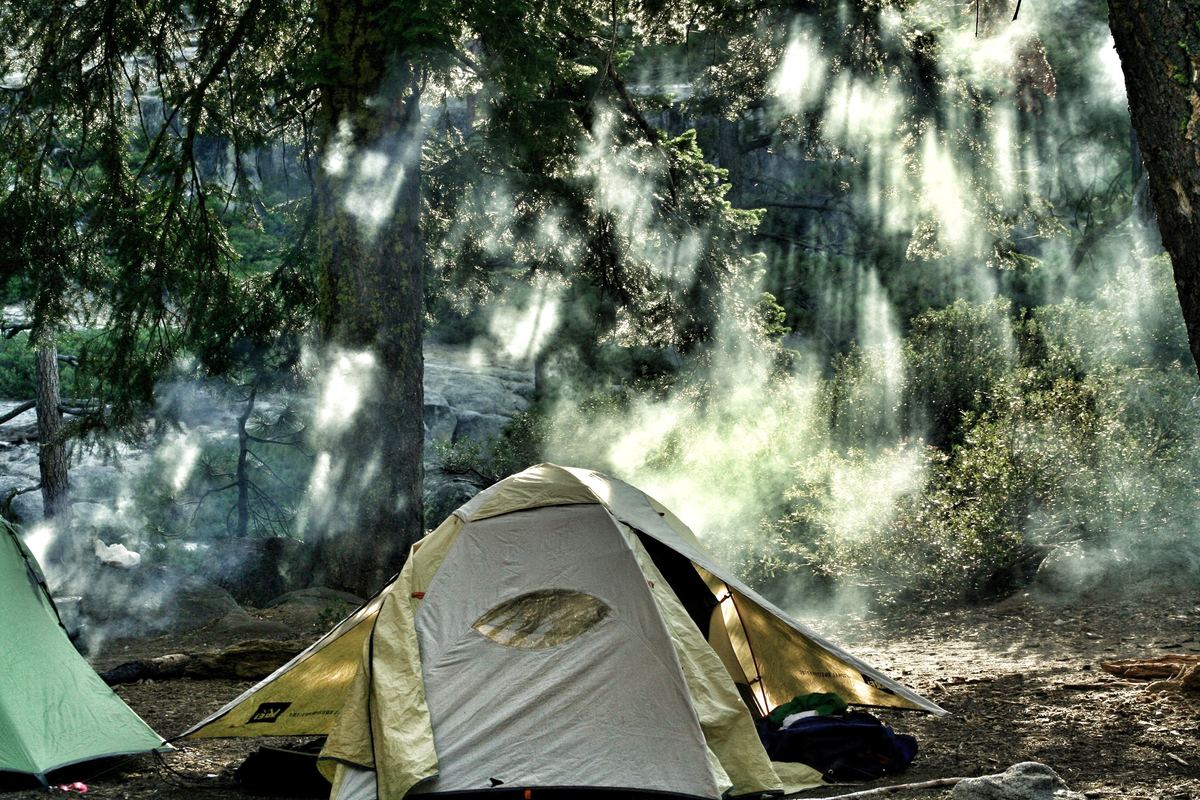
What “sleeps X” actually means
Manufacturers rate tent capacity by how many adult sleeping pads can fit on the floor, usually shoulder-to-shoulder with almost no leftover room. A “4-person” tent is typically comfortable for three adults, or for two adults and a pile of gear. A “2-person” backpacking tent is often a tight squeeze for two large adults.
When you read our tents category, treat the sleeps number as a floor plan, not a guest count. Floor area in square feet and peak height matter as much as the capacity rating.
Start from people, then add gear
For car camping, size up. You can haul a bigger tent, and space pays off when kids need to stand up, when it rains for two days, or when wet boots need a place to live.
- Solo trips: a 2-person tent gives room for a pack and boots.
- Couple: a 3- or 4-person tent feels like a bedroom instead of a capsule.
- Family of four: look at 6-person tents if you want a vestibule and bag storage inside.
- Dog: add roughly the space of another small person, and plan for a pad or towel that can get muddy.
Backpacking is the opposite: you carry every ounce, so true 2-person shelters stay popular—and cramped.
Floor area and peak height
Two tents can both say “sleeps 4” and feel completely different.
- Floor area (sq ft) tells you how much pad-and-bag space you have. Family car-camp tents often run 60–90+ sq ft for a 4–6 person rating; backpacking 2-person tents may be under 35 sq ft.
- Peak height (inches) decides whether you can kneel or stand. Dome backpacking tents often peak around 40–45 in. Cabin-style car-camping tents can clear 72 in or more so adults can change clothes standing up.
- Doors matter for night exits. Two doors mean fewer people crawling over each other.
Compare those specs side by side on our tent filters or the compare tool.
Vestibules are underrated living space
A vestibule is the covered porch under the rainfly, outside the inner tent. It’s where muddy boots, wet rain jackets, and the dog bed should live so the sleeping floor stays dry. If you’re choosing between two similar 4-person tents, prefer the one with a larger vestibule over a few extra inches of peak height.
Shape: dome, cabin, tunnel
- Dome tents are common, fairly wind-stable when guyed out, and easy to find in every size. Good default for car camping.
- Cabin / lodge tents prioritize near-vertical walls and standing room. Great for families; they catch more wind, so stake and guy them carefully.
- Tunnel / hoop designs can be spacious for the weight but often need careful staking; some aren’t freestanding.
None of these shapes is “best.” Match shape to your campsite: exposed ridge or sheltered campground pad.
Season rating or capacity
Capacity is about people. Season rating is about weather. A roomy 6-person 3-season tent is still a 3-season tent: expect mesh walls and a rainfly that leaves some mesh exposed for ventilation. Don’t buy capacity and assume you’ve bought winter protection. See tent season ratings.
A simple sizing rule of thumb
- Count sleepers (people + dog that sleeps inside).
- Add one “person” of capacity for gear if you car-camp, or if you hate packing pads end-to-end.
- Check floor sq ft and peak height, not only the sleeps number.
- Prefer two doors and a real vestibule for groups.
- Confirm packed size fits your car; cabin tents often need a large duffel or wheeled bag.
What not to do
- Don’t plan for every adult to sleep in a 4-person tent on full-width pads without measuring. Many “4-person” floors are built for narrower backpacking pads.
- Don’t ignore setup complexity. More poles and rooms mean more time—practice once at home.
- Don’t skip the footprint. A sized groundsheet protects the floor you just paid for. See footprints and groundsheets.
Putting it together with CampTier
Filter by capacity, floor area, peak height, weight and packed size on Tents. Tick two or three tents and open Compare. Specs and prices come from brand pages; we don’t claim we slept in them. Once you pick a size, move on to freestanding and non-freestanding designs and how to set up a tent.
Measure your sleeping pads before you buy
The easiest way to avoid a cramped tent is to do the math at home. Most standard sleeping pads are about 20 inches wide and 72 inches long; wide and long versions run about 25 inches wide and 77–78 inches long. Self-inflating car-camping mattresses and air beds are often wider still. Multiply the pad widths for everyone sleeping side by side and compare that to the tent’s floor width on the brand page. If the floor dimensions aren’t published, the floor area and the shape drawing in the manual usually give enough to estimate.
A family that brings two queen-size air mattresses needs a floor that fits two roughly 60-inch-wide rectangles plus walking space. That is a 6- or 8-person tent in many lineups, even though only four people sleep in it.
Think about the hours you’re awake inside
In good weather, you spend almost no awake time in a tent. In a rainy weekend, you might spend an afternoon playing cards inside it. Ask yourself:
- Will kids need room to play if it rains?
- Will adults want to sit upright and change clothes?
- Is there space for a small light, a day bag and shoes inside without stepping on sleepers?
If the answer to any of these is yes, peak height and floor area matter more than the sleeps rating.
Weight and packed size still matter for car campers
Bigger tents are heavier and pack longer. A large cabin tent can be a heavy, long bag that has to fit across a trunk or on a roof rack. Check the packed size spec against your cargo space, especially if you also carry coolers, chairs and a stove. You can sort tents by packed size and weight on our tents page.
Rooms and dividers
Some large family tents include a removable divider to split the floor into two rooms. That’s useful for privacy or for separating sleeping times, but each room ends up with its own door and less flexible space. If you camp with older kids or another family, rooms can be worth it. With toddlers, one open floor is usually easier.
Frequently asked questions
Is a bigger tent colder?
A larger air volume takes more warmth to heat up, and your body is the only heat source you should use inside. In mild weather the difference is small. In cold weather, a tent that fits you closely with good wind protection will feel warmer, and your sleep system (bag, pad and clothing) matters far more. See sleeping bag temperature ratings.
Should I buy two small tents instead of one big one?
Two smaller tents can fit on uneven or crowded sites where one big footprint won’t, and they split weight between two bags. One big tent is simpler to supervise kids in and takes one setup. Many families start with one big tent and add a small one as kids get older.
How much bigger for a dog?
A medium or large dog takes roughly the space of a small adult on a pad, and needs a spot near the door. Plan for that and bring something to protect the floor from claws.
Filter tents by spec → Compare up to 3 →
Related guides
- Freestanding and Non-Freestanding Tents: Which Design Fits Your Trip
- Tent Season Ratings: What 3-Season and 4-Season Actually Mean
- How to Choose and Set Up a Campsite
- First Car-Camping Trip Checklist
General guidance from CampTier, based on manufacturer instructions and common outdoor practice. We don’t claim hands-on testing. Always follow your gear maker’s care and safety instructions. See our safety notes.