
Tent Season Ratings: What 3-Season and 4-Season Actually Mean
Season ratings describe intended weather, not a calendar. Learn what 3-season and 4-season tents are built for, and when a stronger 3-season tent is enough.
By the CampTier team · Updated 2026-10-15 · About 5 min read
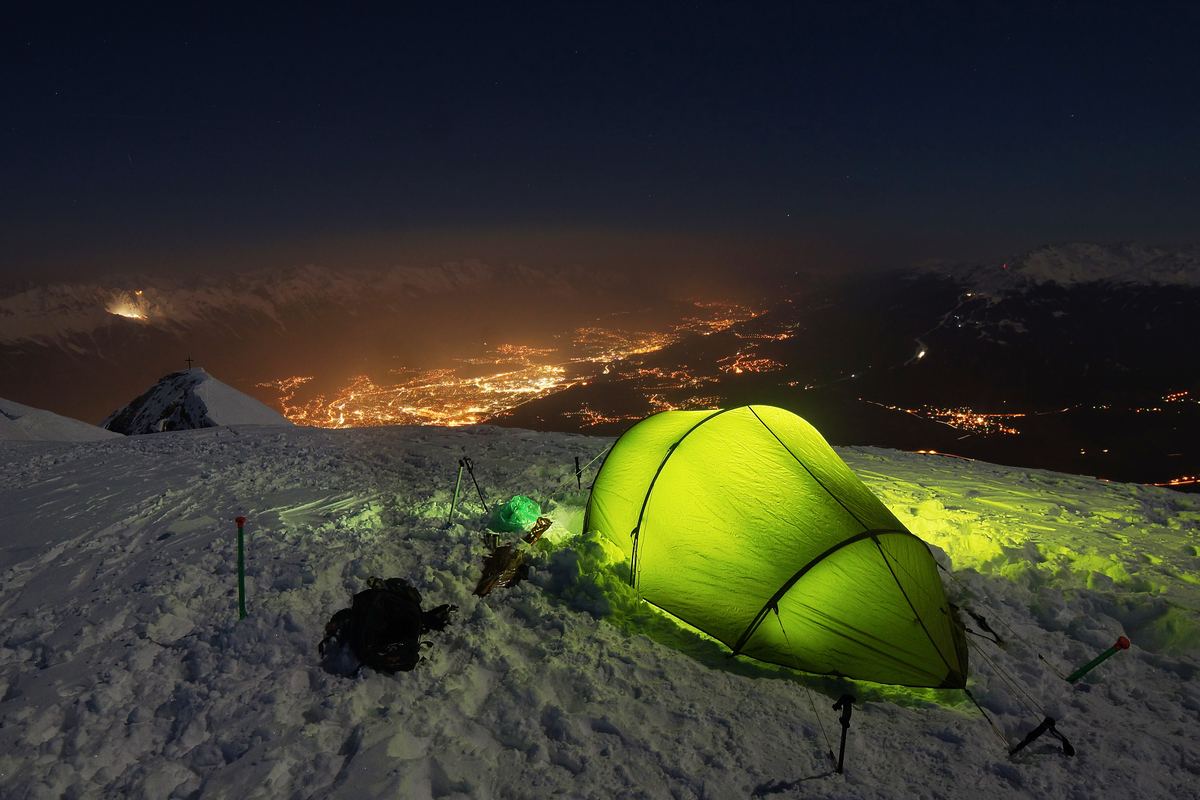
Season ratings are marketing categories, not standards
There is no single ASTM or ISO test that decides whether a tent is “3-season” or “4-season.” Brands use the labels to signal design intent: how much mesh, how much fabric, how many poles, and how the fly attaches. Read the label as a starting point, then check the actual construction.
What most 3-season tents are for
3-season tents target spring, summer and fall camping where rain and wind are possible but deep snow load is not.
- Lots of mesh for airflow (helps with condensation and heat).
- A rainfly that usually leaves some mesh windows or vents open when the fly is on.
- Poles strong enough for typical campground and trail wind when correctly guyed, not for burying under feet of snow.
- Lighter fabrics to keep packed weight down.
For most U.S. family car camping and three-season backpacking, a solid 3-season tent is the right tool. See how manufacturers list season ratings on our tents page.
What 4-season (and “expedition”) tents add
4-season tents are built for winter camping and alpine use: snow, high wind, and colder nights.
- More fabric, less mesh, so warm air stays in and spindrift stays out.
- Stronger pole structures (often more poles or crossed poles) to shed snow and resist gusts.
- Full-coverage flies that come close to the ground.
- Heavier fabrics and higher packed weight.
“4-season” does not mean the tent is a heater. Insulation comes from your sleeping bag and pad. A 4-season tent mainly keeps weather out and structure up.
The gray zone: “extended season” and strong 3-season tents
Some brands sell tents aimed at shoulder seasons: reinforced poles, more fly coverage, still some mesh for summer. Marketing names vary (“3+ season,” “expedition-capable,” etc.). Ignore the nickname and look for:
- Pole design (more pole crossings generally mean a stiffer structure).
- How low the fly sits.
- Guy-out points (more attachment points = better wind management).
- Stated snow-load or wind guidance in the manual, if any.
Match the tent to your worst expected night
Ask: what’s the worst weather I’m willing to sleep through in this tent?
- Weekend campground in summer: standard 3-season dome.
- Shoulder-season mountain camping with wind: sturdy 3-season with full fly and good guys, or a mild 4-season if you go often.
- Winter camping with snow: true 4-season, plus winter stakes and a shovel for snow walls if needed.
Buying a 4-season tent “just in case” for fair-weather car camping usually means more weight, less ventilation, and more condensation in humid summer nights. See ventilation and condensation.
Rain ≠ winter
A good 3-season tent with a properly pitched rainfly handles rain. Waterproofing is about coatings, seam tape and fly coverage—not the season number. Practice setup in the rain with pitching in rain. Wind is its own skill: pitching in wind.
How we show season ratings on CampTier
We list the season rating the brand publishes on the product page. We don’t invent intermediate ratings. If two tents both say 3-season, compare pole count, packed weight, floor area and doors yourself on Compare. Specs-dated prices, no fake field tests.
Read the fly and the mesh, not just the label
Stand back and look at a tent’s product photos with the fly on. If you can see large mesh windows exposed below the fly, the tent is built for airflow first. If the fly comes almost to the ground on all sides, it will block more wind and spindrift, and also trap more moisture.
Then look at the inner tent with the fly off. A mostly mesh inner breathes well in summer and feels drafty on a windy 35°F night. A mostly fabric inner holds a bit more warmth and stops blowing dust or snow, at the cost of more condensation in humid weather.
Pole materials in brief
Most quality backpacking and car-camping tents use aluminum poles. Many budget family tents use fiberglass poles. Fiberglass is cheaper and works for fair-weather camping, but it is generally less resilient: it can splinter or crack under load and is heavier for the same stiffness. Steel uprights are common on large cabin tents. If you expect wind, pole quality and how many poles cross the roof matter more than the season label.
Winter camping needs more than a tent
If you’re thinking about a 4-season tent for winter car camping, the rest of your kit has to match:
- A sleeping pad system with high R-value (see sleeping pad R-values).
- A sleeping bag rated for the conditions, with honest comfort ratings (temperature ratings explained).
- Snow stakes or the skills to use deadman anchors.
- Warm, dry layers (layering for camping).
- A plan for safe cooking outdoors, never inside the tent.
Frequently asked questions
Can I use a 3-season tent in light snow?
Many people do for a light dusting, as long as the tent is pitched taut, the snow is brushed off the fly regularly, and winds stay moderate. 3-season tents aren’t designed to carry heavy snow loads. If snow is forecast to pile up, choose a sturdier tent or a different plan.
Will a 4-season tent be too hot in summer?
It often is. Less mesh means less airflow and more condensation on warm, humid nights. If you only camp in summer, a 3-season tent is usually the more comfortable tool.
What about “1-season” or “2-season” tents?
Some very cheap tents are effectively fair-weather shelters with thin flies and light poles. They can be fine for backyard sleepovers and calm summer nights, but plan for an easy exit if bad weather arrives.
Bottom line
Choose the season rating that matches the worst weather you’ll realistically meet, then check pole design, fly coverage and guy-out points to see how a tent actually backs up its label.
Checking your tent before a shoulder-season trip
Before a cold or stormy trip, pitch the tent at home and check every guy line, stake and pole section. Practice tensioning the fly fully and make sure you know where every guy-out point is.
Filter tents by spec → Compare up to 3 →
Related guides
- How to Choose a Camping Tent by Capacity
- How to Pitch a Tent in Wind
- How to Pitch a Tent in the Rain
- Tent Ventilation and Condensation: Why Tents Get Wet Inside
General guidance from CampTier, based on manufacturer instructions and common outdoor practice. We don’t claim hands-on testing. Always follow your gear maker’s care and safety instructions. See our safety notes.