
How to Layer Clothing for Camping
Base, mid and outer layers let you adjust to cold mornings, hot afternoons and rainy evenings. What to wear, what to avoid and what to pack.
By the CampTier team · Updated 2026-10-15 · About 5 min read
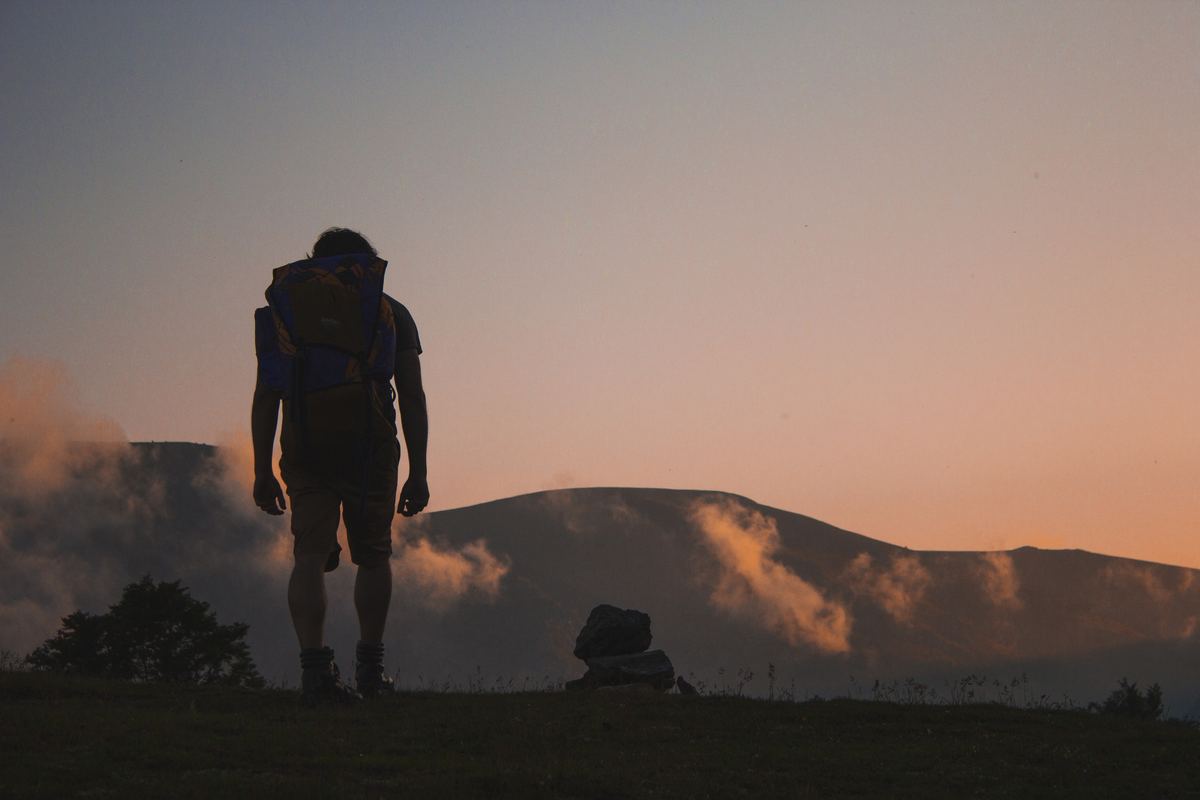
Why layering works
Camping often means a cold morning, a warm afternoon and a cool evening, sometimes with rain. Instead of one heavy coat, layering lets you add and remove pieces to stay comfortable and dry. Staying dry is key: wet clothing, whether from sweat or rain, pulls heat away from your body.
The three layers
1. Base layer
Worn next to your skin to move sweat away.
- Materials: merino wool or synthetic fabrics (polyester, nylon blends).
- Avoid: cotton as a base layer in cool or wet conditions. Cotton absorbs moisture and stays wet, which can make you cold.
- Weights: lightweight for warm weather or active use, midweight or heavyweight for cold nights.
2. Mid layer (insulation)
Keeps you warm by trapping heat.
- Fleece: breathable, warm when damp, durable, and affordable.
- Synthetic insulated jackets: warm and keep insulating when damp.
- Down jackets: very warm for their weight and pack small, but lose warmth when wet.
3. Outer layer (shell)
Protects from wind and rain.
- Rain jacket: waterproof-breathable for rain. Look for a hood and adjustable cuffs.
- Wind jacket: light, breathable protection from wind in dry weather.
- Rain pants: helpful for rainy trips and kids playing in wet grass.
Accessories
- Warm hat (beanie) for cool mornings and nights.
- Sun hat for sun protection.
- Gloves: light gloves for cool mornings; insulated gloves for cold trips.
- Neck gaiter or buff: adds warmth and blocks sun.
- Socks: wool or synthetic hiking socks, plus a dry pair for sleeping.
Layering through the day
- Morning: base layer, fleece, hat, maybe insulated jacket.
- Hiking or active time: base layer only or base plus a light wind layer. Start a little cool; you’ll warm up.
- Rain: add the rain jacket over the base or fleece. Vent if you’re sweating.
- Evening at camp: add fleece and insulated jacket as the sun sets. Put on a hat before you feel cold.
- Sleeping: dry base layers, socks and a hat if needed. See matching sleeping bags and pads.
Common mistakes
- Wearing jeans and cotton hoodies as your only layers on a cool or wet trip.
- Overdressing while hiking, sweating, then getting cold at rest.
- Forgetting rain gear because the forecast looked good.
- Sleeping in sweaty clothes.
Kids
Kids need the same layering approach. Check them often, since they may not tell you they’re cold or overheating. Pack extra socks and a full change of clothes for each child.
Packing list (weekend car camping, mild weather)
- 2 base layer tops (one for sleeping)
- 1 pair base layer bottoms for sleeping
- Hiking pants or shorts
- 1 fleece
- 1 insulated jacket
- Rain jacket and rain pants
- Warm hat and sun hat
- Light gloves
- 3–4 pairs of socks
- Camp shoes and hiking shoes
Adjust for forecast lows and highs. Check the weather for the actual campsite elevation—mountain sites can be much colder than nearby towns.
Cold-weather tips
- Add a heavyweight base layer.
- Bring an extra insulated layer.
- Keep tomorrow’s base layers in your sleeping bag so they’re warm in the morning.
- Eat and drink regularly.
FAQ
Is cotton always bad?
Cotton is fine for hot, dry days at camp. Avoid it when it’s cold or wet, or when you’re hiking hard and sweating.
Do I need expensive gear?
No. A synthetic base layer, a fleece and a basic rain jacket go a long way.
See also choosing hiking footwear and our first car-camping checklist.
Caring for layers
- Wash merino and synthetic base layers as the label says, usually cool or warm water and no fabric softener.
- Fleece is easy to wash and dry, but air-drying extends its life.
- Down jackets need a down wash and careful drying, similar to down bags.
- Rain jackets need occasional cleaning and DWR restoration: re-waterproofing.
Layering for kids
- Dress kids in the same three layers as adults.
- Bring extra base layers and socks; kids get wet more often.
- Rain pants are especially useful for kids.
- Put a hat on them before they get cold.
- Check their hands, feet and necks to gauge warmth.
Building a kit over time
Start with what you have, plus one good base layer and a rain jacket. Add a fleece and an insulated jacket as you camp in cooler seasons. Avoid buying everything at once until you know what you need.
How each fabric behaves
- Merino wool stays comfortable across a range of temperatures, resists odor well and still feels fairly warm when damp. It tends to be more expensive and less durable than synthetics in thin weights.
- Polyester and other synthetics dry quickly, are durable and are usually less expensive. Some hold odors more than wool.
- Fleece is a breathable, quick-drying insulating layer. It is not very wind-resistant on its own, so pair it with a shell in wind.
- Down gives a lot of warmth for its weight and packs small, but it loses much of its insulation when wet.
- Synthetic insulation keeps more of its warmth when damp and dries faster than down, at the cost of more weight and bulk for the same warmth.
- Cotton absorbs water and dries slowly, which pulls heat away from your body when wet. It is fine for warm, dry afternoons at camp, and a poor choice for hiking in cool or wet weather.
Evening at camp: the layer people forget
Temperatures often drop quickly after sunset, especially in the mountains and deserts and near water. People who were comfortable in a T-shirt at 6 p.m. are cold at 8 p.m. while sitting still. Pack an insulated jacket even when the daytime forecast is warm, plus a warm hat. Put the jacket on before you get cold, not after. Staying warm is much easier than rewarming.
Sleeping in layers
What you wear to bed matters. Many campers sleep best in a dry base layer and warm socks reserved for sleeping. Change out of the clothes you hiked or cooked in, which may be damp with sweat or smell like food. If you are still cold, add a warm hat and a mid layer, and check your sleeping pad: a cold night is often about heat loss into the ground. See matching bags and pads.
Rain layers in practice
A waterproof jacket is the most important single item for unpredictable weather. Look for one with a hood that fits over a warm hat. Rain pants are worth bringing on wet trips and with kids, who sit on wet ground. Ventilate your shell by opening pit zips or the front zip when you are moving, because sweat builds up quickly inside waterproof fabric. When the rain stops, take the shell off and let your layers dry.
Related guides
- How to Match a Sleeping Bag and Pad for Cold Nights
- Choosing Hiking Footwear: Boots, Mid Hikers and Trail Shoes
- First Car-Camping Trip Checklist
- How to Pitch a Tent in the Rain
- Rain Gear for Camping
General guidance from CampTier, based on manufacturer instructions and common outdoor practice. We don’t claim hands-on testing. Always follow your gear maker’s care and safety instructions. See our safety notes.