
Rain Gear for Camping
Rain jackets, pants, pack covers and tarps for campground trips: waterproof vs water-resistant, breathability basics, and how to stay dry without overpacking.
By the CampTier team · Updated 2026-10-15 · About 5 min read
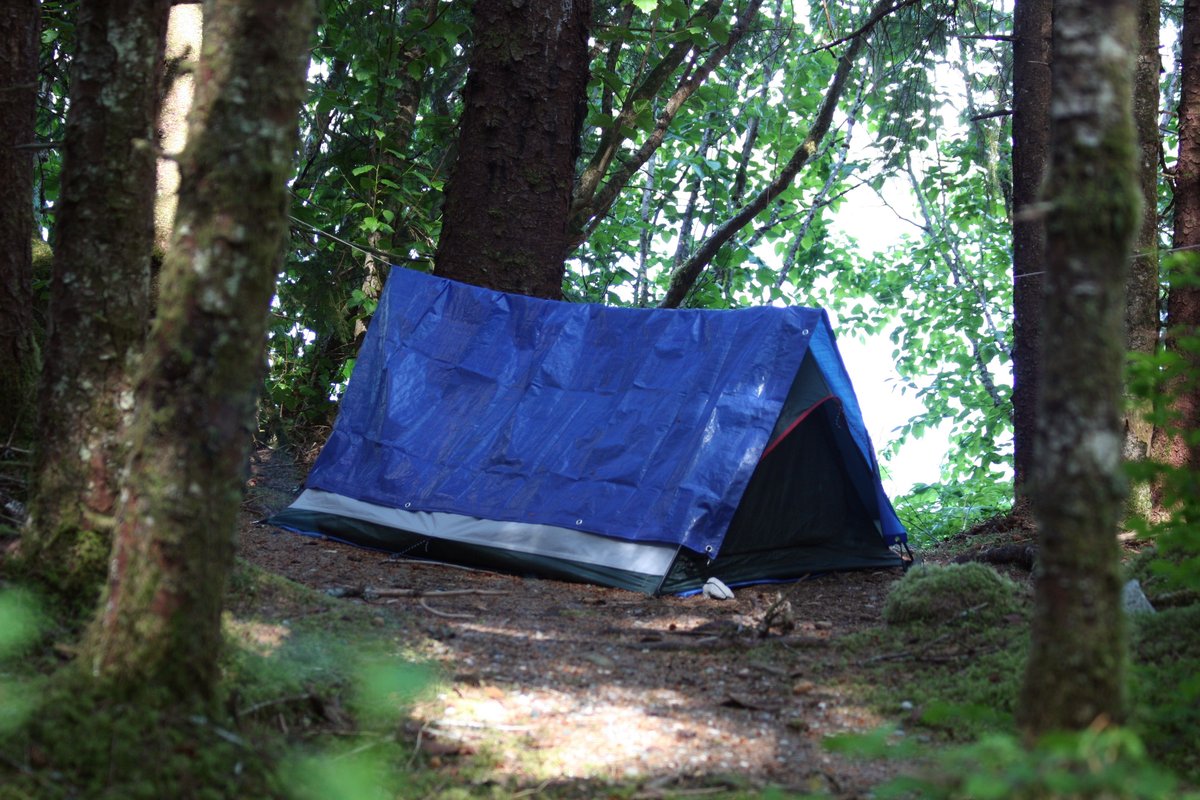
Rain will find your trip
A sunny Friday forecast can still bring a Sunday shower. Rain gear is not only for storms; it is for wind-driven drizzle, wet brush and sitting out a squall at the picnic table. Pair this guide with pitching a tent in rain and layering.
Waterproof vs water-resistant
- Waterproof / breathable shells (often described with a membrane or coating and taped seams) are built to block rain. Look for fully taped seams if you expect real rain.
- Water-resistant softshells and windbreakers shed light mist and block wind but soak through in steady rain.
- Ponchos cover you and a pack cheaply; they catch wind and can snag.
For car camping, a real rain jacket for each person is the priority. Rain pants matter when you will hike in wet brush or sit on wet benches.
Features that help at camp
- Hood that turns with your head and shields glasses
- Pit zips or vents to dump heat while cooking or hiking
- Adjustable cuffs and hem to seal out drips
- Length that covers your lower back when you reach into the cooler
- Packable volume that fits in a daypack lid
Skip fashion coats that are dry-clean only or lack a hood.
Pants, gaiters and shoes
Rain pants keep jeans from becoming cold sponges. Full side zips help you don them over boots. Gaiters help on muddy trails. Footwear: waterproof boots stay drier in wet grass but can feel clammy; pair with socks you will actually change. See waterproof hiking boots.
Shelter is rain gear too
Your tent’s rain fly, a roomy vestibule and a groundsheet keep bedding dry. A tarp over the picnic table creates a dry kitchen when the fly is already wet. Stake tarps tightly; a sagging tarp dumps water on your neck. Never cook with a fuel stove in an enclosed tent—rain is not an excuse to risk carbon monoxide. Use an open-sided tarp with airflow (stove safety).
Pack covers and dry bags
A pack cover sheds rain on the trail; a thin liner bag inside the pack protects layers if the cover fails. At camp, keep sleeping bags in dry sacks or plastic liners until the tent is pitched and dry inside.
Drying out
When the sun returns, open the fly, wipe the tent floor and hang wet layers. Stuffing wet gear into a closed car overnight grows mildew. Re-waterproof shells when beading fails—see re-waterproofing gear.
A minimal rain kit for car camping
- Rain jacket per person
- One shared tarp or dining fly with stakes and guylines
- Pack cover or liner for day hikes
- Extra socks sealed in a bag
- Small sponge or towel for the tent floor
Common mistakes
- Leaving rain jackets in a bin at home because the morning was clear
- Cooking under a sealed canopy with no airflow
- Wearing cotton layers under a shell, then chilling when sweat and rain mix
- Pitching the tent in a low spot that becomes a pond—see campsite selection in campsite basics
Bottom line
Buy hooded rain jackets that fit over a fleece, add pants if you hike in wet vegetation, and pack a tarp for the table. Practice pitching the tarp once at home so the first cloudburst is not a learning lab.
Layering under a shell
A waterproof jacket only works if you manage sweat. Hike in a lighter base layer than you wear at camp, vent early, and add insulation when you stop. Cotton hoodies under shells soak from the inside and chill you in wind. Details live in layering for camping.
Gloves, hats and glasses
Cold rain numbs hands fast. Pack light waterproof overmitts or gloves you can still operate a stove valve with. A brimmed hat under a hood keeps water off glasses. Carry a tiny cloth for lenses in a zip bag.
Tent life in a multi-day soak
Expect muddy vestibules. Assign a “wet zone” for jackets and a “dry zone” for sleeping bags. Cook under a tarp, not in the tent. Wring sponges into a bottle rather than the doorway. If storms are severe, the car is a legal dry room for morale—just crack windows for air.
Reproofing and care
When rainwater stops beading and soaks into the face fabric, clean the shell per the maker’s instructions and restore DWR with a product they approve. Zippers need the occasional rinse after sandy trips. Stuff sacks beat hanging a wet shell in a ball in the trunk.
Kids and rain
Children run hot and then stop suddenly. Pack rain suits that go on quickly over whatever they are wearing, plus a dry set of clothes sealed in a bag. Games under a tarp beat forcing a wet nature hike when morale is gone.
Rain kit test at home
On a weekend before the trip, wear the jacket in a cool shower or under a hose for a minute (avoid forcing water into pockets the maker says are not waterproof). Check hood movement and zipper garage. Better to find a failed seam at home than at mile two.
Storm timing at camp
If afternoon thunderstorms are the local pattern, hike early and be back under the tarp by the usual boom hour. Strike lawn games before wind arrives so chairs do not leave the site. Pre-guy the tarp when the sky is still fair so you are not tying knots in hail.
Waterproof ratings in plain language
Makers publish hydrostatic head or similar lab numbers. Higher numbers generally mean more resistance to pressure, but real-world seams, zippers and worn DWR matter as much as the face-fabric number. Treat ratings as one comparison input, not a guarantee you will stay dry sitting in a puddle.
Packing order for wet exits
When breaking camp in rain, pack sleeping bags first into liner bags under the vestibule, then collapse the inner tent, then the wet fly last into its own sack. Keep the car hatch as a dry staging shelf if it is safe to do so. A dedicated “wet fly” bag keeps the rest of the trunk from soaking.
Footwear rotation
Two pairs of socks and a way to dry them overnight matter more than a third rain jacket. Shoe dryers that need electricity only help at powered sites; elsewhere, stuff shoes with dry paper towels from the kitchen bin and warm them carefully near—not on—a stove.
Related guides
- How to Pitch a Tent in the Rain
- How to Layer Clothing for Camping
- How to Re-Waterproof a Tent and Rain Gear
- How to Choose and Set Up a Campsite
General guidance from CampTier, based on manufacturer instructions and common outdoor practice. We don’t claim hands-on testing. Always follow your gear maker’s care and safety instructions. See our safety notes.