
How to Pitch a Tent in the Rain
Keep the inner tent dry when you have to set up in a downpour: footprint timing, fly-first tricks, and drying out afterward.
By the CampTier team · Updated 2026-10-15 · About 5 min read
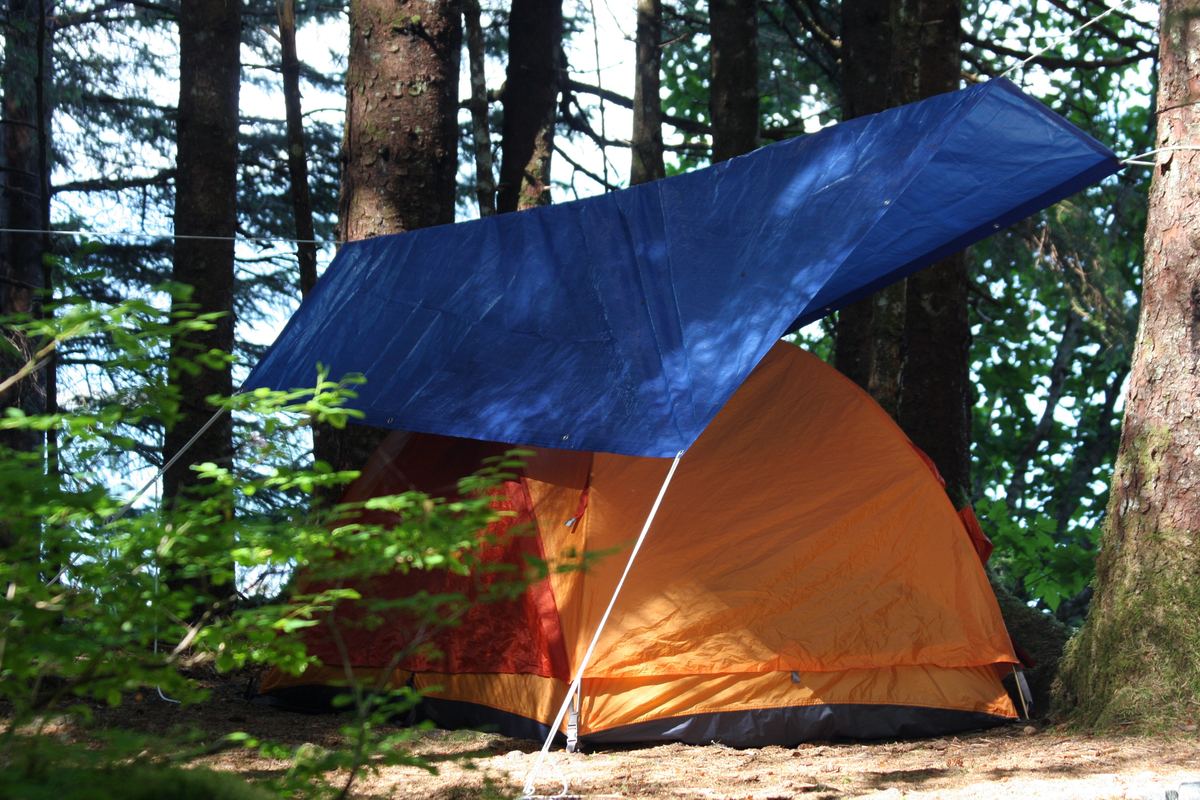
Goal: dry sleeping space, even if everything else is wet
You can’t always wait out a storm. The aim is simple: get a waterproof roof up fast and keep the inner mesh from becoming a sponge.
Scout drainage, not just flatness
Avoid low spots and dry creek channels. A slight crown or gentle slope that sends water past the tent is better than a puddle-prone hollow. Clear pine needles that dam water against the floor edge.
Footprint without a water tray
Place the groundsheet so it sits under the tent floor only. Exposed tarp edges collect rain and dump it under you. Fold surplus under. More: footprints.
Fly-first and other wet-pitch tactics
Some tents allow a fly-first pitch (fly and poles up, then clip the inner underneath). If your model supports it, use it in rain. If not:
- Stake the footprint.
- Keep the inner tent rolled in its bag until poles are ready.
- Assemble poles under a tarp, hatchback, or vestibule of another shelter if you can.
- Unroll the inner quickly, clip to poles, stake corners.
- Rainfly on immediately; stake vestibules.
- Only then open doors to move gear inside.
A separate tarp strung between trees (where campground rules allow) can create a dry workspace for staging gear and cooking outside the tent. Treat it as a porch, not a substitute for a properly pitched and staked tent.
Keep wet gear in the vestibule
Boots, rain shells and packs belong under the fly, on a scrap mat if you have one. Sleeping bags stay in dry bags until the inner is up and wiped.
Condensation and leaks
Overnight wetness on the inside of the fly is often condensation, not failure. Vent as much as weather allows. Morning wipe-downs help. Guide: ventilation and condensation.
True leaks often show at untaped seams, damaged coatings, or where fabric pools. Seam sealer and DWR refreshes are care topics: re-waterproofing.
Packing up wet
If you must pack a wet tent, stuff it loosely (don’t destroy coatings by crushing grit in) and dry it completely within a day at home—hung or loosely draped indoors. Prolonged damp storage grows mildew and voids many warranties. See clean and store a tent.
Safety
Lightning? Avoid isolated trees and open ridges; follow NOAA and park guidance. Never heat the tent with fuel appliances. Safety notes.
Your tent’s official setup notes linked from Tents override any general guide when they conflict.
Pack for a wet arrival
If rain is likely, load the car so the tent, footprint, stakes, mallet and a tarp are the last things in and the first things out. Put sleeping bags, pillows and clothes in dry bags or plastic totes so they can wait in the car until the tent is ready.
Dress for setup
Put on a rain jacket and quick-drying pants before you start, not halfway through. Cotton jeans and hoodies stay soaked for hours. See layering for camping for what to wear.
Inside the tent: create a dry zone
Once the tent is up:
- Wipe the floor with a pack towel.
- Lay down sleeping pads first, then bags, only after you’ve taken off wet outer layers in the vestibule.
- Hang a small cord across the tent ceiling (if there are loops) for socks and hats that are only slightly damp.
- Keep a dedicated “wet bag” for soaked items so they don’t touch the dry ones.
Managing the campsite
- Dig no trenches around the tent. It damages campsites and is against the rules in many parks. Choose better ground instead.
- Point the vestibule door away from the wind to keep rain from blowing in.
- If water starts flowing under the floor, you may need to move. Better now than at 3 a.m.
Cooking and eating in the rain
A tarp or a campground shelter is the place to cook. Never cook or run a stove inside a tent or a closed vestibule; carbon monoxide and fire are real risks. More in camp kitchen basics.
Checking for leaks
If water is coming in, find where:
- Along a seam: the seam tape may be peeling, or the tent may need seam sealing.
- Through the floor: the floor coating may be worn, or water could be pooling under the tent. Check the footprint isn’t sticking out.
- Fabric touching: if the inner tent touches the wet fly, water can wick through. Retension the fly.
- Zippers and doors: check the fly door is closed and the storm flap is covering the zipper.
When to call it
Severe storms, flash-flood warnings or lightning mean it’s time to leave or shelter in a vehicle or building. Watch for park alerts and know your exit route before the weather turns.
Practice the wet pitch at home
The best time to learn to pitch a tent in the rain is on a dry afternoon in the backyard. Time yourself pitching it, and figure out which parts can stay dry, which clips connect first, and whether your tent supports fly-first pitching. Know which end is which and where the doors face. In the rain, you want a routine you can do with your hood up and your hands cold.
Pack so the dry stuff stays dry
Pack the tent so the parts you need first come out first: footprint, poles, fly, then the inner tent. Keep sleeping bags, pads and dry clothes in waterproof bags or bins in the car until the tent is pitched and the fly is on. Carry a small towel or a microfiber cloth in the tent bag to wipe up water from the floor.
Using a tarp over the tent
A tarp pitched over the tent and the doorway creates a dry place to take off wet layers before you enter, and it keeps rain off the fly when you open the door. Pitch the tarp high enough for headroom and angled so rain runs away from the tent. Check campground rules about tying lines to trees.
After the rain
When the rain stops, open the fly doors and vents to dry the inside. Wipe the floor, hang wet clothes under a tarp or in the car, and dry out the tent when the sun comes out. If you have to pack up wet, dry the tent within a day or so at home to prevent mildew. See how to clean and store a tent.
Filter tents by spec → Compare up to 3 →
Related guides
- How to Set Up a Tent the First Time
- Tent Ventilation and Condensation: Why Tents Get Wet Inside
- How to Clean and Store a Tent
- How to Choose and Set Up a Campsite
- Rain Gear for Camping
General guidance from CampTier, based on manufacturer instructions and common outdoor practice. We don’t claim hands-on testing. Always follow your gear maker’s care and safety instructions. See our safety notes.