
How to Clean and Store a Tent
Dry it completely, clean it gently, store it loosely. A step-by-step routine that prevents mildew, protects coatings and keeps zippers and poles working.
By the CampTier team · Updated 2026-10-15 · About 5 min read
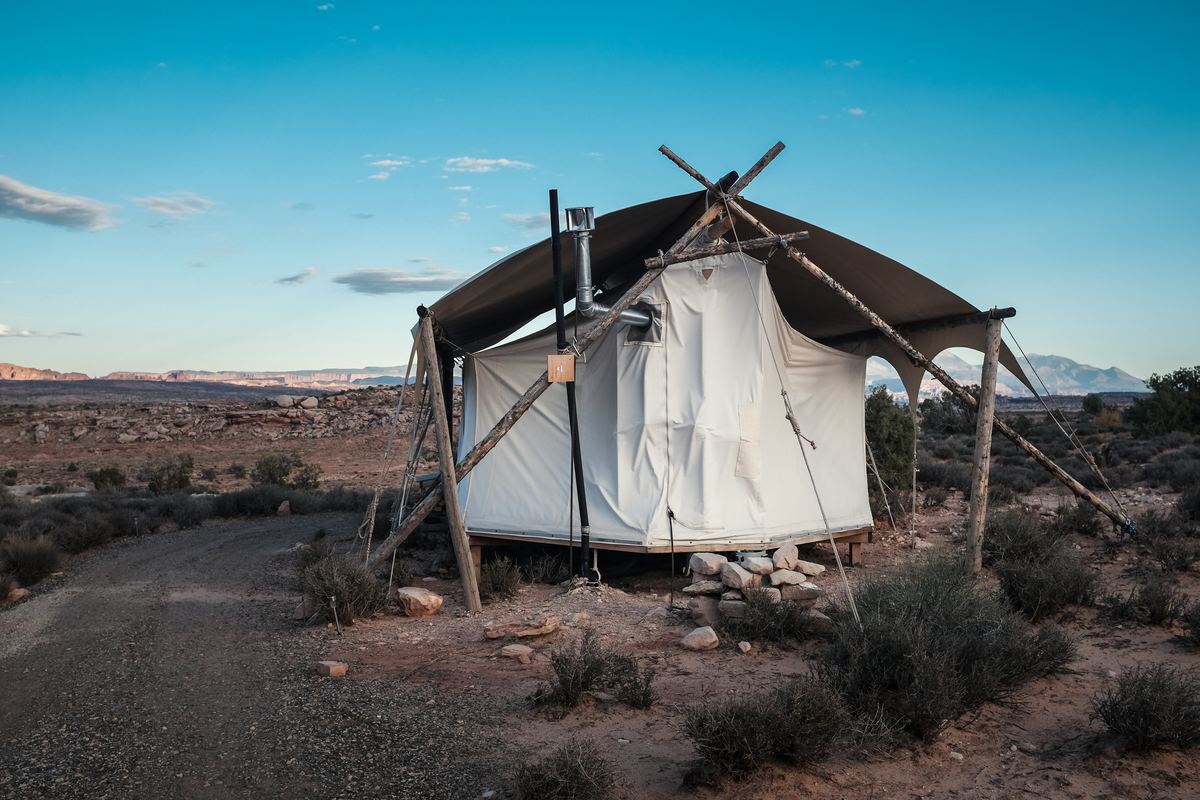
The one rule: never store a tent wet
Mildew is the most common way tents are ruined. A tent packed damp, even with morning dew, can develop spots and a musty smell within days. Mildew stains are hard or impossible to remove and can damage waterproof coatings. Whatever else you do, dry your tent completely before putting it away.
After every trip
- Shake it out. At camp, unzip the doors, flip the tent body upside down (after removing stakes and gear) and shake out dirt, leaves and pine needles.
- Wipe the floor. A damp cloth removes most mud.
- Pitch or hang it at home. Set it up in the yard, or drape the body and fly separately over a clothesline, shower rod or chairs until both are dry, inside and out, including seams and corners.
- Check stakes and poles. Straighten bent stakes, wipe poles, and look for cracks near joints.
- Store loosely. Put it in a breathable bag in a cool, dry place.
When a tent needs real cleaning
Clean when the tent is visibly dirty, sticky with sap, smells, or after salt-water or sandy trips. Most brands recommend:
- Hand washing only in a bathtub or large sink with cool or lukewarm water.
- A mild, non-detergent soap or a cleaner made for technical gear. Avoid household detergents, bleach, and spot removers unless the manufacturer says they’re safe.
- A soft sponge. No scrub brushes on coated fabrics.
- Thorough rinsing. Leftover soap can attract dirt and affect water repellency.
Never put a tent in a washing machine or dryer. Agitation and heat can damage coatings, seam tape and mesh.
Removing tree sap
Sap is stubborn. Many gear makers suggest a small amount of mineral spirits or a specific sap remover on the spot, followed by a rinse; test first on a small, hidden area. Check your tent maker’s care page before trying a solvent, because some coatings can be damaged.
Dealing with mildew
If you find small mildew spots:
- Wash the area gently with a gear cleaner.
- Some brands sell enzyme-based cleaners to treat odors and mildew; follow the product instructions.
- Dry completely in the shade with good airflow (prolonged direct sun can degrade fabrics over time).
Heavy mildew often can’t be fully removed. The best defense is never storing the tent damp.
Zippers
Gritty zippers fail. Brush sand out of the teeth with an old toothbrush and rinse with water. A zipper lubricant made for outdoor gear can help stiff zippers. If a zipper separates behind the slider, the slider may be worn; a repair shop or zipper repair kit can often fix it.
Poles
Wipe poles clean and dry. After beach trips, rinse salt off aluminum poles with fresh water. Store poles assembled loosely or folded—not with shock cords stretched for months. If a shock cord loses stretch, it can be replaced.
Sun damage
UV light breaks down nylon and polyester over time. If you camp somewhere for a week in strong sun, consider pitching in shade when possible or adding a tarp over the tent. Don’t leave a tent pitched in the yard for weeks.
Where to store it
- Cool, dry and dark: a closet, under a bed or on a shelf indoors
- Not in a hot attic, damp basement or car trunk
- Loosely in a large breathable sack or bin, not tightly compressed in its stuff sack for months
Some campers roll the tent around the poles; others stuff it. Either works for short-term travel. For long-term storage, loose is best.
Footprints and accessories
Clean and dry the footprint the same way. Count stakes and guy lines and put them back in the tent bag so you don’t arrive at camp missing pieces.
Checklist before storage
- Body and fly completely dry
- Dirt shaken out
- Stakes counted and straightened
- Poles intact and dry
- Zippers clean
- Stored loosely in a cool, dry place
When to re-waterproof
If water stops beading on the fly after cleaning, or seams start to seep, it’s time to refresh the water repellent or reseal seams. See re-waterproofing tents and rain gear.
FAQ
Can I dry my tent in a dryer?
No. Heat can damage waterproof coatings and seam tape. Air-dry it.
How often should I wash my tent?
Only when it’s dirty or smelly. Over-washing wears out coatings. A rinse and air dry is enough most of the time.
What if I have to pack it wet?
That’s often unavoidable. Just set it up or hang it to dry as soon as you get home—within a day if possible.
More on keeping all your gear in shape: gear storage between seasons. Browse tents on Tents.
Cleaning products: what to use and avoid
Use lukewarm water and a non-detergent soap or a cleaner made for tents and technical fabrics. Avoid household detergents, bleach, solvents and stain removers unless the tent maker specifically allows them; they can damage coatings, seam tape and water repellency. Never put a tent in a washing machine or dryer. Agitation and heat can tear mesh, delaminate coatings and melt seam tape.
Hand-washing a dirty tent
- Set the tent up in a shady spot, or lay it out on a clean surface.
- Shake out dirt and remove debris from corners.
- Sponge the floor, walls and fly with lukewarm water and a suitable cleaner.
- Rinse thoroughly with clean water.
- Let it dry completely in the shade before packing.
For heavy dirt on the floor, a soft brush helps. For bird droppings and sap, clean promptly, because some residues can damage coatings over time.
Mesh and zipper care
Mesh is the most delicate part of most tents. Brush sand and pine needles out of mesh panels gently, and avoid scrubbing hard. For zippers, rinse grit out with water and brush the teeth with a soft toothbrush. If a zipper still sticks, a zipper lubricant can help. Never force a zipper around a curve; support the fabric with your other hand.
Long-term storage
Store a tent loosely in a large breathable sack or bin in a cool, dry, dark place, not in its tight stuff sack. Storing it loose reduces creasing in coatings. Keep poles assembled loosely or in their bag, and keep stakes separate so they don’t poke through fabric. Store away from heat, direct sunlight and damp basements.
Before the next trip
Pitch the tent once at the start of the season. Check for mildew, odor, peeling coatings, damaged mesh and missing stakes or guy lines. Fixing a problem at home is far easier than discovering it at a dark campsite. If water no longer beads on the fly, see how to re-waterproof a tent.
Filter tents by spec → Compare up to 3 →
Related guides
- How to Re-Waterproof a Tent and Rain Gear
- How to Store Camping Gear Between Seasons
- How to Pitch a Tent in the Rain
- Tent Footprints and Groundsheets Explained
General guidance from CampTier, based on manufacturer instructions and common outdoor practice. We don’t claim hands-on testing. Always follow your gear maker’s care and safety instructions. See our safety notes.