
Sleeping Bag Temperature Ratings Explained
Comfort, limit and extreme ratings aren’t interchangeable. Learn how EN/ISO ratings work, what they leave out, and how to pick a bag without treating the number as a guarantee.
By the CampTier team · Updated 2026-10-15 · About 5 min read
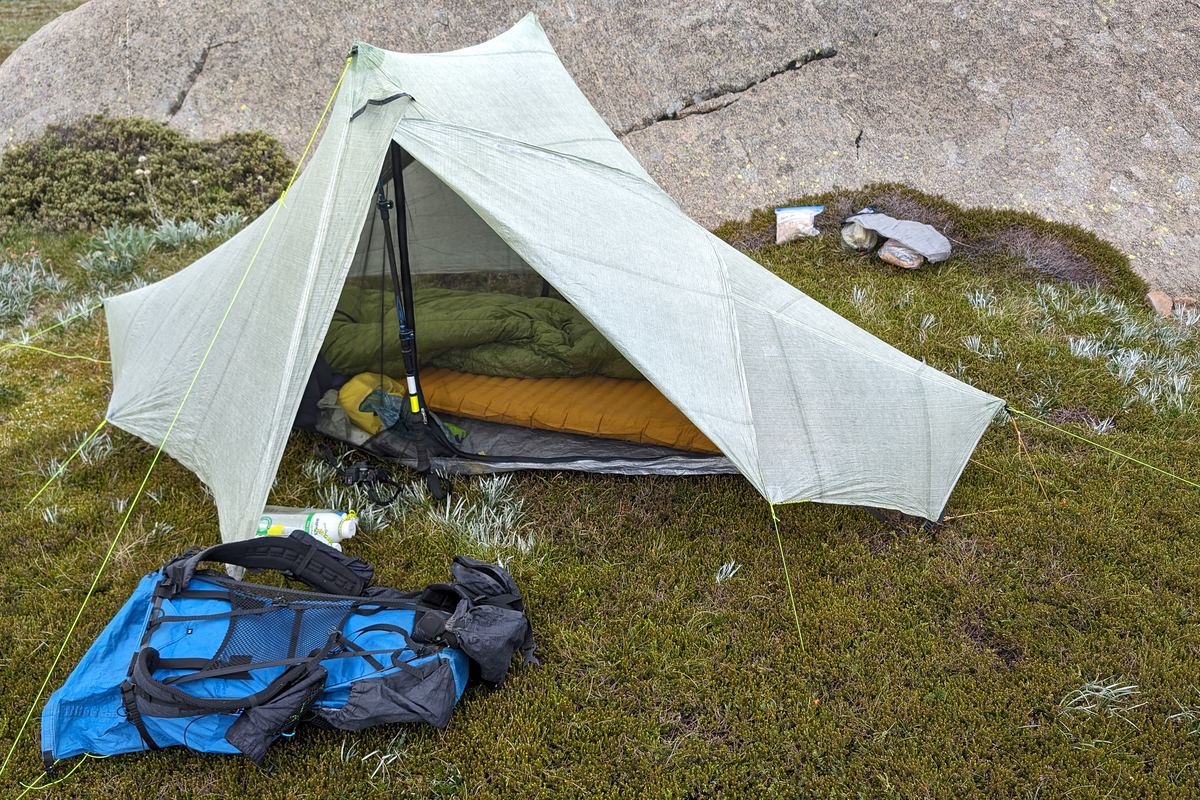
The number is a lab rating, not a weather forecast
Sleeping bag temperature ratings estimate the coldest air temperature at which a bag should keep a defined sleeper warm under lab conditions. Real nights add wind, humidity, pad R-value, clothing, metabolism, hydration and whether you sleep cold or hot.
EN and ISO ratings (when brands use them)
Many European and some global brands publish EN 13537 or ISO 23537 test results with several numbers:
- Comfort – temperature at which a cold sleeper is expected to sleep comfortably.
- Lower limit – the lowest temperature at which a “standard” warmer sleeper, curled up, is expected to stay in thermal balance. It is colder than the comfort number.
- Extreme – survival rating only; risk of hypothermia. Not a target for trip planning.
When a brand lists a single number without saying which definition it used, treat it cautiously. Some U.S. brands still publish a single “temperature rating” based on internal methods.
How CampTier shows temperatures
On Sleeping bags & pads, we show the brand’s published temperature and any note they provide (comfort and limit, etc.). We don’t convert or invent ratings. “Not verified” means we couldn’t confirm a number on the official page.
Pad R-value matters as much as the bag
Heat loss into the ground can exceed heat loss to the air if your pad is thin. A 20°F bag on a low-R pad can feel colder than a 30°F bag on a high-R pad. Read sleeping pad R-values and matching bags and pads.
Practical selection for car camping
- Summer campgrounds: bags rated around 30–40°F comfort are common starting points, plus layers.
- Three-season: many campers look near 20°F comfort, then adjust with clothes and quilts.
- Cold nights: prioritize pad R-value, a dry bag, dry base layers and a tent that blocks wind before reaching for a warmer bag.
Always follow the bag maker’s care and temperature guidance.
Sleeping cold and sleeping hot
If you wake cold at home under normal blankets, size the rating more conservatively (warmer bag) or bring a liner and insulated clothing. Hot sleepers may prefer a lighter bag they can vent.
Ratings aren’t standardized across all products
Kids’ bags, budget rectangular bags and some fashion “camping” bags may use optimistic numbers. Prefer brands that document test methods. See kids sleeping bags.
Don’t plan on the extreme number
Extreme ratings are last-resort figures. Trip planning should lean on comfort (or the brand’s most conservative clear number), clothing, and pad insulation—not survival ratings.
Compare bags by published temp, weight and packed size on Sleep and Compare. Spec-compared, not tested.
How to read a bag listing
A good product listing includes:
- The rating standard (ISO 23537 or EN 13537) if used
- Comfort and lower limit temperatures
- Fill type and amount
- Shape and size options
- Weight and packed size
If a listing only gives one number and no method, compare it carefully against bags that publish full ratings. You can see the brand’s number and note side by side on Compare.
Women’s and men’s ratings
Some brands make women’s-specific bags with extra insulation in the torso and footbox and a shorter, wider cut. Under ISO and EN testing, comfort ratings were based on a standard female sleeper and lower limits on a standard male sleeper. That’s a convention for the test, not a rule for who should buy which bag. Choose based on whether you sleep warm or cold.
Extend a bag’s range
If your bag is a little light for the conditions, you can add warmth:
- Dry base layers and a warm hat
- A sleeping bag liner (some add a few degrees; check the maker’s claims cautiously)
- A higher R-value pad or a foam pad under an air pad
- A warm snack before bed and staying hydrated
- A quilt or blanket over the bag on car-camping trips
Avoid getting too warm
Sweating inside a bag dampens insulation and makes you colder later. Unzip partway, use the bag as a quilt or take off a layer when you’re warm.
Safety
Cold nights carry risk of hypothermia, especially for children and older adults. Plan conservatively, check the forecast low (and remember valleys can be colder than the town forecast) and have a backup: a warm car, extra blankets or a plan to leave. See our safety notes.
FAQ
Is a 0°F bag a good idea for summer camping?
Usually not. You’ll likely be too hot, and the bag will be heavier and bulkier. Choose a bag near your expected lows and layer up.
Does the bag’s rating include a pad?
Standard ISO and EN tests are done with a sleeping pad under the sleeper, so pad choice matters in real use. A thinner pad than the test conditions will make you feel colder.
What affects how warm you feel
Two people in the same bag on the same night can feel very differently. Factors that affect warmth include:
- Metabolism and body size. Some people simply sleep warmer than others.
- What you ate and drank. A warm meal before bed helps many people sleep warmer.
- Fatigue and hydration. Being exhausted or dehydrated can make you feel colder.
- Clothing. Dry layers help; damp clothes make you colder.
- Wind and humidity. Wind and damp air pull heat away faster.
- The pad. Heat loss into the ground is often the biggest factor.
Comfort vs. limit ratings in plain language
On bags tested to ISO 23537 (which replaced EN 13537), the comfort rating is the temperature at which a standard “cold sleeper” is expected to be comfortable in a relaxed position. The limit (sometimes called lower limit) is the temperature at which a standard “warm sleeper” is expected to sleep curled up for several hours without waking from cold. The extreme rating, when shown, is a survival-risk number, not a sleeping temperature. Many campers use the comfort rating to choose a bag.
Picking a rating for car camping
Look up the typical overnight low for your destination and season, then subtract a margin for unexpected cold. For most beginners, a bag whose comfort rating is a little below the expected low is a good place to start. If you camp in a range of seasons, it can be easier to own a warm bag and vent it on mild nights than to be cold in a light bag.
Filter sleeping bags & pads by spec → Compare up to 3 →
Related guides
- Down or Synthetic Sleeping Bag Insulation
- How to Match a Sleeping Bag and Pad for Cold Nights
- Sleeping Pad R-Values: How Warm Is Warm Enough
- How to Choose a Kids Sleeping Bag
- Cold-Weather Car Camping
General guidance from CampTier, based on manufacturer instructions and common outdoor practice. We don’t claim hands-on testing. Always follow your gear maker’s care and safety instructions. See our safety notes.