
Cold-Weather Car Camping
How to camp from the car when nights are cold: sleep system, layers, condensation, fuel, daylight planning and safety—without treating it like a mountaineering expedition.
By the CampTier team · Updated 2026-10-15 · About 5 min read
Cold camping is a systems problem
When nights drop near freezing, comfort comes from the whole sleep system, not one “warm” bag. You still have the car as a gear locker and emergency shelter, which makes cold car camping more approachable than winter backpacking—if you respect moisture, batteries and carbon monoxide.
The sleep system
- Pad R-value: ground chill steals heat. Use a pad (or stacked pads) with enough published R-value for the forecast lows. Details in sleeping pad R-values.
- Bag rating honesty: manufacturer temperature ratings are not a guarantee. Many people sleep colder than the marketing number. Read temperature ratings and bring a synthetic or down bag with margin, plus a liner or blanket you already own.
- Dry layers for sleep: change out of damp day clothes. A dry base layer and socks in a stuff sack inside the foot of the bag help.
- Hat and gloves in the bag’s locker pocket for middle-of-the-night wakeups.
Tent and condensation
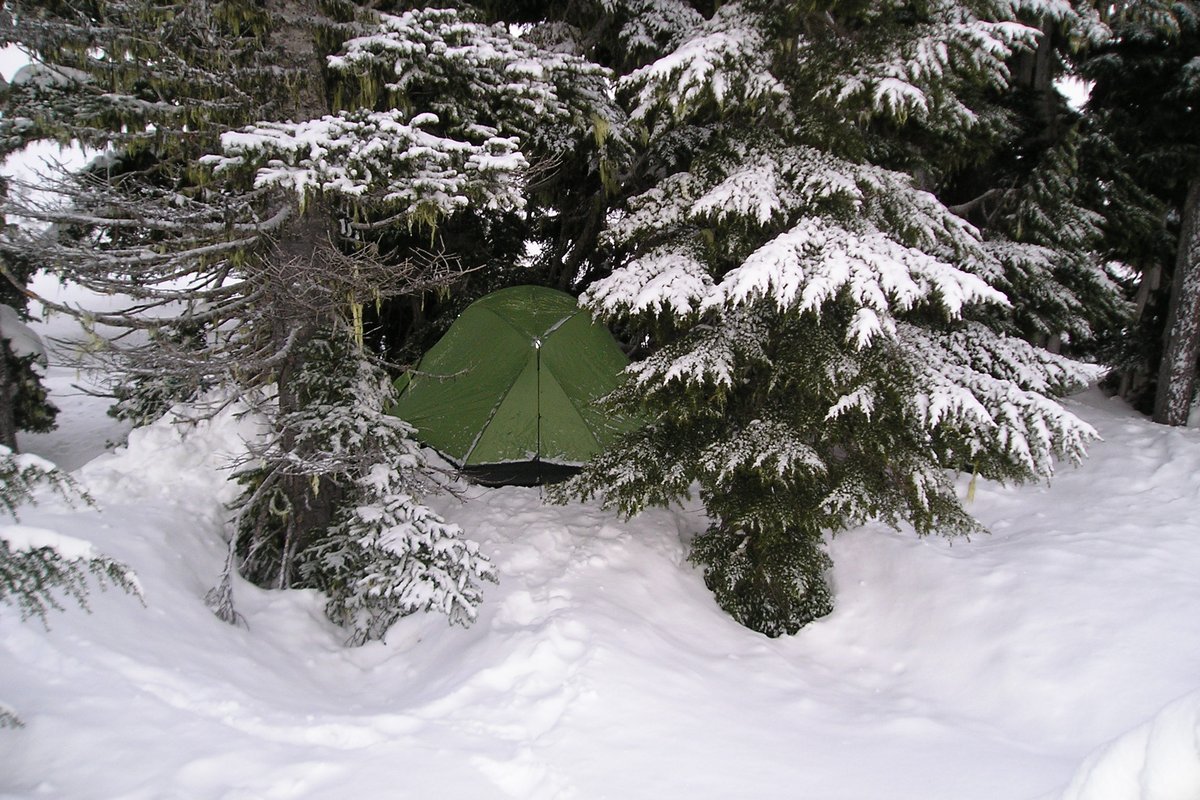
In cold, moist air, condensation freezes on the fly. Vent as much as you can without turning the tent into a wind tunnel. Keep wet gear in the vestibule or car, not on your bag. Shake frost off the fly in the morning away from the door. Pitch on snow only with care for stakes and anchors—practice in the yard first. More on ventilation.
Layers for the day
Use the classic base / mid / shell approach from our layering guide. Avoid cotton next to skin. Keep a dry insulating layer sealed for camp once you stop moving—after a hike you will cool off fast.
Stoves and heaters
Cook outside. Never run a fuel stove, charcoal grill, catalytic heater or vehicle engine heater exhaust into a tent or closed car for warmth. Carbon monoxide kills. Liquid-fuel and cold-aware canister techniques are covered in camp stoves and fuel. Warm water bottles (sealed, tested for leaks) in a sleeping bag are a traditional trick; follow common-sense burn safety.
Batteries and lights
Cold drains batteries. Sleep with phone, headlamp and power bank in the bag or an inside pocket. See camp batteries and charging and headlamps.
Food, water and daylight
- Water jugs freeze; keep a drinking bottle insulated or in the car cabin.
- Plan meals that cook quickly; freezing fingers hate elaborate prep.
- Days are short—pitch early, hang the lantern, and know the route to the restroom before dark (lighting plan).
Car as backup
Keep the driveway out clear enough to leave if weather turns. Store dry clothes in a labeled bin. If you warm up inside the car, crack ventilation and never sleep in a running vehicle in snow that can block the exhaust.
Fitness and judgment
Cold multiplies small problems: a wet sock, a dead headlamp, a late arrival. Turn around on day hikes earlier than in summer. Tell someone your plans.
Common mistakes
- Bringing a summer pad and wondering why the bag “doesn’t work”
- Cooking in the vestibule “just this once”
- Ignoring wind; a calm 30°F night feels different than a windy one
- Arriving after dark to a frozen stake kit you have never used
Bottom line
Build a pad + bag + dry sleep clothes stack with margin, vent the tent, cook outside, keep batteries warm, and treat the car as storage and emergency shelter—not a generator of indoor heat. Start with nights just below freezing before you chase deep winter.
Site selection in the cold
Lower basins collect cold air. If you have a choice, pick a site with some wind shelter but not under widowmaker branches coated in ice. Clear snow from the tent footprint down to a firm base or pack it flat so you are not melting weird voids under the pad.
Morning routines
Start the stove for hot drinks outside while someone airs the tent. Bring the battery box into a warm pocket before you need GPS. Knock snow off the fly before packing so the car does not become a melting glacier. Dry socks go on before coffee if feet are numb.
Group cold camping
Agree on shared kitchen shifts so nobody is alone fighting a stove in wind. Watch quieter members for shivering and confusion—those are reasons to warm up in the car and reconsider the night, not to “tough it out.” Keep kids’ gloves clipped or tethered; lost gloves end trips.
Insurance for comfort
A synthetic quilt or thrifted blanket over a bag adds warmth without a new purchase. Foam pads under air pads add R-value cheaply. These upgrades matter more than a new gadget lantern.
When to cancel
Ice storms, closed mountain roads and forecasts far below your tested gear are cancel conditions. The campsite deposit is cheaper than a hypothermia story. Car camping should leave you wanting another trip, not a clinic visit.
Condensation management checklist
Crack vestibule doors opposite the wind, wipe the underside of the fly in the morning, and keep wet shoes in a tote outside the sleep zone. A small towel dedicated to tent walls earns its free weight. Do not seal every vent to “stay warm”—you will wake wetter.
Hot meals that match the cold
Soups, oatmeal and pre-chopped home meals reduce stove time with numb fingers. Keep a lighter and matches in separate waterproof containers. Gloves you can cook in matter more than a gourmet spice kit.
Parking and egress
Do not nose into a snowbank you cannot reverse out of. Carry a shovel in shoulder seasons even for car camping. Keep windshield scrapers accessible without unpacking the entire kitchen.
Learning ladder
First cold trip: thirty-five to forty degrees Fahrenheit with a known bag and pad. Next: near freezing. Only then add snow overnight. Write down what was cold and fix that layer before you chase lower forecasts.
Moisture from cooking and breath
Every person exhales moisture all night, and wet gear multiplies frost on the fly. Keep cooking completely outside, vent the tent, and change into dry sleep clothes even when you are tired. A damp bag loses loft and warmth—dry storage habits matter more in winter than in July.
Related guides
- Sleeping Pad R-Values: How Warm Is Warm Enough
- Sleeping Bag Temperature Ratings Explained
- How to Layer Clothing for Camping
- Camp Batteries and Charging: Keep Your Lights Running
General guidance from CampTier, based on manufacturer instructions and common outdoor practice. We don’t claim hands-on testing. Always follow your gear maker’s care and safety instructions. See our safety notes.