
How to Choose a Headlamp for Camping
Lumens, beam types, red light, batteries and water resistance explained, so you can pick a headlamp that fits how you actually camp.
By the CampTier team · Updated 2026-10-15 · About 5 min read
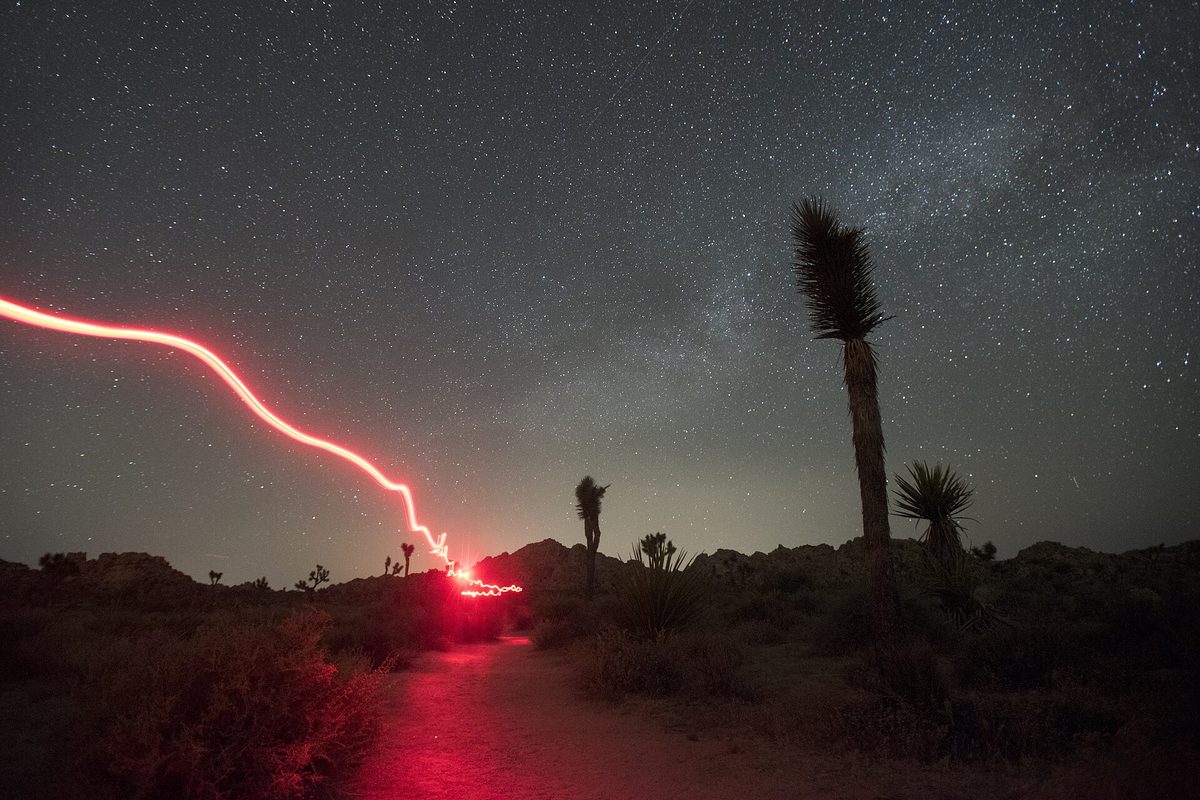
Why a headlamp is the one light everyone needs
A headlamp puts light wherever you look and leaves both hands free. That matters more than it sounds: you need two hands to pitch a tent, cook, clip a child into a sleeping bag or dig through a duffel. Flashlights and lanterns are useful too, but most experienced campers give every person, including kids old enough to use one, their own headlamp. If you only buy one light for camping, make it a headlamp.
Lumens: how much light you actually need
Lumens measure the total light a lamp puts out. Bigger numbers sell headlamps, but most camp tasks need far less than the maximum:
- Inside the tent, reading or finding gear: a low setting is plenty, and it saves batteries and your tentmates’ eyes.
- Cooking, walking around camp and to the restroom: a medium setting usually works.
- Night hiking, route-finding or searching for something dropped: a high setting and a longer-reaching beam help.
Remember that maximum output on many headlamps runs only for a short time before stepping down to protect the battery and manage heat. Look at the output and run time for each mode, not just the headline number.
Reading the specs: the ANSI/PLATO FL 1 standard
Many headlamp makers publish specs measured under the ANSI/PLATO FL 1 standard, which makes different brands easier to compare. Under FL 1:
- Light output (lumens) is measured shortly after the light is switched on.
- Run time is how long the light runs until output drops to 10% of that initial measurement. A light can have a long run time on paper while being much dimmer for most of it, so check whether output is “regulated” (held steady, then dropping) or gradually fades.
- Beam distance is the distance at which the light falls to 0.25 lux, roughly the brightness of a full moon.
- Peak beam intensity (candela) describes how concentrated the brightest part of the beam is.
- Impact resistance is the height from which the light was dropped and still worked.
- Water resistance is reported with an IP rating.
If a spec isn’t listed, the brand may not have tested it to the standard. Compare headlamps by published specs on our lighting page.
Beam types: flood, spot and mixed
- A flood beam spreads light wide and close. It is ideal around camp, in the tent and for cooking, because it lights your hands and the area around them without a harsh hot spot.
- A spot beam throws light farther in a narrower circle. It helps on trails and when looking across a campsite.
- Many headlamps offer both, or a mixed beam. For car camping, a good flood mode is more useful than a long throw.
Red light and night vision
Your eyes take time to adjust to darkness, and bright white light resets that adjustment. Red light is less disruptive to night vision for most people, and it is also kinder to other campers. A red mode is useful for late-night restroom trips, checking on kids and reading the map without blinding the group. Look for a headlamp that can turn on directly in red or low mode, so you don’t flash full brightness in someone’s face before reaching it.
Batteries: rechargeable, AAA or both
Headlamps generally use one of three power options:
- Disposable batteries (usually AAA) are easy to find and replace anywhere. Alkaline cells are common; lithium primary cells are lighter and perform better in cold, but check that your headlamp allows them.
- Built-in rechargeable batteries charge from USB. They are convenient and avoid buying batteries, but when the battery runs flat you need a power source.
- Hybrid headlamps accept either a rechargeable pack or standard AAA cells, which gives a backup.
For a weekend of car camping, any of these works if you start full and bring a spare. For longer trips, many campers prefer hybrid lamps or carry a small power bank. Our guide to camp batteries and charging goes deeper.
Water resistance: what IP ratings mean
Water resistance is usually given as an IP code from the IEC 60529 standard. The second digit is the water rating:
- IPX4: resists splashing water from any direction. Fine for rain.
- IPX7: protected against temporary immersion, tested to 1 meter for 30 minutes.
- IPX8: protected against continuous immersion beyond 1 meter, under conditions the maker specifies.
For camping in rain, IPX4 is usually enough. If you paddle or fish at night, a higher rating adds peace of mind.
Comfort, fit and features
- Weight and balance: a light headlamp is comfortable for hours. Heavier lamps with rear battery packs balance better on the head.
- Strap: an adjustable, wide strap is comfortable; some have a top strap for stability on the move.
- Tilt: a hinged lamp lets you aim the beam down at your hands or the ground, which is also polite around camp.
- Lockout: a lock prevents the lamp from turning on in your pack and draining the battery.
- Simple controls: you will use them in the dark and with gloves. One or two buttons that are easy to learn beat a long menu.
- Battery indicator: handy for knowing when to recharge or swap.
Headlamps for kids
Kids love headlamps, and having their own builds confidence in the dark. Choose one that fits a small head comfortably, has simple controls and a low brightness setting, and doesn’t get uncomfortably warm. Teach kids not to look into lights or shine them in others’ faces. A light with a lockout helps prevent a drained battery after a day in a backpack.
Headlamp etiquette
At a campground, a headlamp is a flashlight attached to your face. Every time you turn to talk to someone, you shine it in their eyes. Use low or red mode around other people, tilt the beam down, and turn it off when you sit by the fire. Neighbors will appreciate it, and everyone sees the stars better. See our campsite lighting plan for more.
A simple headlamp checklist
- Choose a lamp with low, medium and high modes plus red light.
- Check run time on the setting you will use most, not just the maximum.
- Decide on rechargeable, disposable or hybrid power based on trip length.
- Look for at least IPX4 water resistance.
- Make sure the strap fits and the lamp tilts down.
- Pack spare batteries or a power bank, and keep the lamp somewhere you can find it in the dark.
Filter lighting by spec → Compare up to 3 →
Related guides
- How to Choose a Camping Lantern
- Camp Batteries and Charging: Keep Your Lights Running
- Campsite Lighting: A Simple Plan for Safe, Comfortable Nights
- First Car-Camping Trip Checklist
General guidance from CampTier, based on manufacturer instructions and common outdoor practice. We don’t claim hands-on testing. Always follow your gear maker’s care and safety instructions. See our safety notes.