
How to Choose a Kids Sleeping Bag
Kids cool faster than adults. Size the bag to the child, treat temperature ratings cautiously, and pack a pad and backup blanket for car camping.
By the CampTier team · Updated 2026-10-15 · About 5 min read
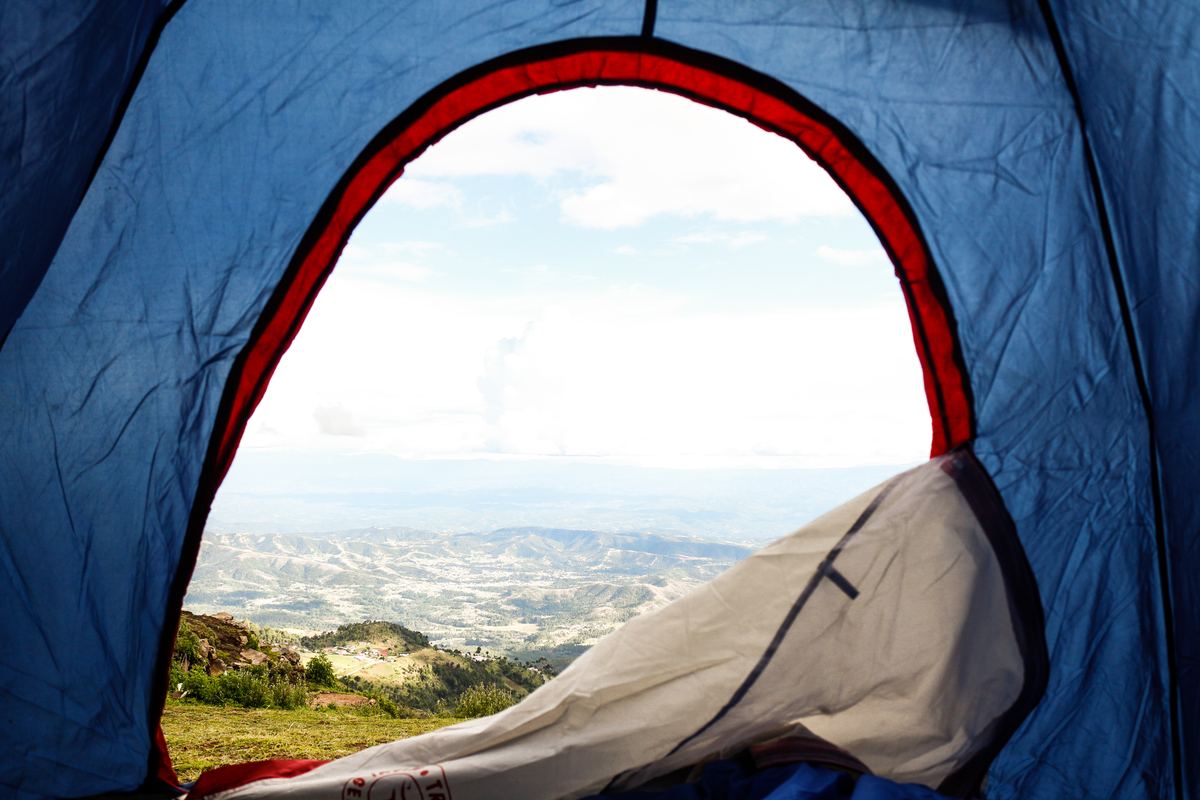
Kids aren’t small adults when it comes to cold
Children generally lose heat faster and may not tell you clearly that they’re getting cold. Plan more conservatively than you would for yourself: warmer bag, solid pad, dry layers and an adult sleeping nearby.
Size to the child
A bag that’s far too long leaves a cold air pocket at the foot that the child’s body doesn’t heat. Many kids’ bags list a height range. Aim for a fit with a little room to grow, not an adult bag “they’ll grow into” in three years for a cold trip this weekend.
Some kids’ bags include a simple length-adjustment feature; use it so the footbox isn’t huge.
Temperature ratings for kids’ bags
Ratings on kids’ bags can be optimistic or use different methods. Prefer brands that explain their rating. Plan for a colder night than the label suggests, especially for younger kids. See temperature ratings explained.
Always pair with a pad
A foam or self-inflating kids’ pad (or a cut-down adult foam pad) keeps them off the cold ground. Ground insulation matters a lot for small sleepers. R-values.
Features that help families
- Soft lining kids will actually stay in
- A zipper a parent can operate one-handed at night
- Machine-washable synthetic fill for inevitable spills
- Bright colors so the bag doesn’t get left on a picnic table
Safety
Follow age guidance on the product. Keep sleeping areas clear of heater hazards—never use fuel heaters in tents. Watch for cords and keep small parts away from toddlers. Safety notes.
Layering kids at night
Dry pajamas or base layers beat bulky day clothes. A hat helps. If they wake hot, vent the bag rather than letting them sweat. Guide: layering.
Backup plan for car camping
Bring an extra blanket or adult quilt. If a child is shivering, add layers, share warmth carefully, offer a warm drink, and know when to move to the car or go home. Cold stress is not something to “tough out.”
FAQ
Can two kids share one big bag?
Only if the bag is designed as a double and both stay warm. Usually two properly sized bags are better.
When do kids move to adult bags?
When they fit the length and the adult bag isn’t wildly oversized. A women’s short bag often fits older kids and teens well.
CampTier’s sleep listings include kids’ products when the brand marks them; filter and compare specs carefully.
Practice at home
A backyard or living-room campout is a good way to test a kids’ bag and pad before a trip. You’ll learn whether your child gets too hot or too cold, whether they can work the zipper, and whether they actually like sleeping in it.
Toddlers
Very young children may wriggle out of bags or end up at the bottom. Check product age guidance carefully. Many families use a toddler-sized bag or layered sleep clothing with blankets under close supervision, and keep toddlers near an adult. Follow your pediatrician’s safe sleep guidance for infants.
Teens
Teens can usually use adult bags in short or regular lengths. If they’re still growing, a regular-length adult bag in a hybrid shape often lasts for years.
Washing kids’ bags
Kids’ bags get dirty. Synthetic bags are usually easier to wash at home; read the label. Use front-loading washers without a center agitator, which can tear baffles. Dry fully before storing. For down bags, see how to wash a down sleeping bag.
Pillows
Kids sleep better with something familiar. A small camp pillow or their pillowcase stuffed with a fleece makes the tent feel like home.
Keeping kids warm overnight
- Put a dry hat on them at bedtime on cool nights.
- Make sure they use the restroom before bed.
- Check on them once during the night if temperatures drop.
- Teach older kids to tell you if they feel cold, and make it easy for them to wake you.
When a child is too cold
Signs include persistent shivering, crying, being unusually quiet or clumsy. Warm them up with dry layers, a warm drink, shared body heat and moving to the car if needed. If symptoms are severe or don’t improve, seek medical help.
Checklist for kids’ sleep
- Bag sized to the child
- Pad with an R-value appropriate for the season
- Dry sleep clothes, socks and hat
- Familiar pillow or stuffed animal
- Headlamp they can use themselves
- Backup blanket
Plan the rest of the trip with our first car-camping checklist.
Matching the bag to the trip, not the age
Choose a kids’ bag for the coldest night you realistically expect. Most family car camping happens in late spring, summer and early fall, when a bag rated for mild nights plus warm layers is usually enough. If you plan shoulder-season trips or camp in the mountains, look for a bag with a lower rating and remember that many kids feel the cold more than adults. A good pad matters just as much; see sleeping pad R-values.
Pads for kids
Kids roll around, slide off pads and end up on the cold tent floor. A few fixes help:
- Use a pad that is wide enough, or put two pads side by side for siblings who share.
- Put a closed-cell foam pad under an inflatable pad for warmth and to protect against punctures.
- A shorter kids’ pad saves space, but a full-length adult pad gives room for a growing child.
- Some families use pad straps or put pads inside a larger blanket “nest” to keep everyone on the insulation.
Shells, liners and accidents
Bedwetting and spilled drinks happen. A washable liner inside the bag is easier to clean than the whole bag, and many kids find a soft liner more comfortable against their skin. Bring a spare set of sleep clothes and a towel. If a bag gets wet at night, a backup blanket or a spare bag in the car saves the night. Wash bags according to the maker’s instructions after the trip.
Comfort items help kids sleep
A familiar pillow, a favorite stuffed animal and the same bedtime routine as at home help kids settle in a new place. Give each child a small light with an easy low mode for nighttime trips to the restroom, and show them how to use it before dark. A tent that is dark, quiet and not too crowded helps everyone sleep.
Filter sleeping bags & pads by spec → Compare up to 3 →
Related guides
- Sleeping Bag Temperature Ratings Explained
- How to Match a Sleeping Bag and Pad for Cold Nights
- First Car-Camping Trip Checklist
- How to Layer Clothing for Camping
General guidance from CampTier, based on manufacturer instructions and common outdoor practice. We don’t claim hands-on testing. Always follow your gear maker’s care and safety instructions. See our safety notes.