
Camping with Dogs: Gear Side
Leashes, beds, bowls, packing and campsite rules for dogs—practical gear and manners, not veterinary advice.
By the CampTier team · Updated 2026-10-15 · About 5 min read
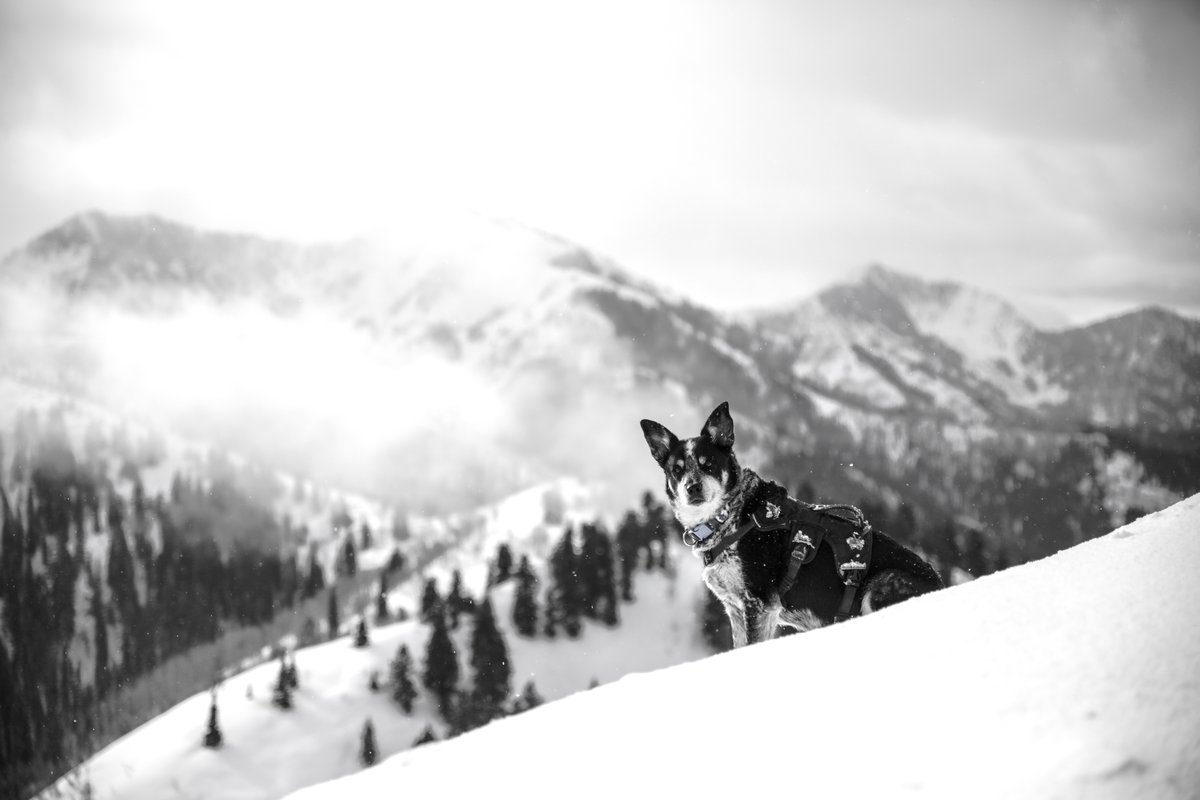
Dogs change the packing list
Camping with a dog can be wonderful and also louder, messier and more regulated than camping without one. This guide covers gear and campsite logistics only. It is not veterinary, training or legal advice. Confirm pet rules for every park and campground before you book.
Confirm the rules before you drive
- Many public campgrounds allow dogs only on leash, ban them from beaches or buildings, or limit the number per site.
- Some trails prohibit dogs entirely.
- Dispersed camping on public land may still require voice control or a leash under local orders.
- HOA-style private campgrounds set their own pet fees and quiet hours.
If dogs are not allowed, do not bring one and hope. Have a backup boarding plan.
Core gear checklist
- Leash and backup leash (and a stake-out line only where rules allow—never leave a dog unattended on a cable)
- Collar or harness with current ID tags; bring vaccination records if a campground asks
- Bed or pad so the dog is not on wet ground all night
- Food bowl and water bowl; pack more water than you think
- Food sealed against rodents and wildlife—see also cooler and kitchen habits in camp kitchen basics
- Waste bags and a plan to pack waste out where required
- Towel for muddy paws before the tent
- Light for night bathroom walks—headlamp guide
- Basic paw care items your veterinarian has already recommended for your dog (this is not a shopping diagnosis list)
Sleeping arrangements
Decide before dark: dog in the tent, in a crate in the vestibule, or in the car when temperatures and safety allow. Dogs new to tents may pace and wake the whole loop. A familiar bed and a short evening walk help. Keep zippers clear of fur and claws; mesh repairs are annoying.
Heat, cold and cars
Never leave a dog in a closed car in warm weather. In cold weather, dogs still need dry bedding and a way out of wind; short-coated dogs may need a coat your vet or trainer has already discussed with you. For human cold-camping tips, see cold-weather car camping.
Trail manners and other campers
- Leash when required—and when other people, kids or dogs are nearby even if voice control is legal.
- Step off the trail to let hikers pass.
- Prevent your dog from visiting other picnic tables for snacks.
- Quiet hours apply to barking. If your dog cannot settle, a busy holiday campground may be the wrong trip.
Etiquette overlaps with Leave No Trace and campsite manners.
Wildlife and food
Dogs chase wildlife and also attract it when food is left out. Store dog food with your own food in approved containers where bears are an issue. Do not leave bowls out overnight. Keep dogs away from carcasses and trash.
First aid for dogs
Carry whatever emergency supplies your veterinarian has advised for your animal, plus a way to contact an emergency vet near your destination. Human first-aid kits are for people—see camp first-aid kit basics—and are not a substitute for pet-specific guidance.
Common mistakes
- Assuming every trail that starts at the campground allows dogs
- Bringing one thin leash and no ID tags
- Letting a wet dog shake inside a down sleeping bag
- Skipping waste bags because “it’s the woods”
Bottom line
Pack leash, ID, bed, bowls, food, waste bags and water, verify rules, and plan sleep and quiet hours before you arrive. Gear will not fix a dog that is miserable in new places—match the trip to the animal you have.
Choosing dog-friendly sites
Look for loops with shade, water access that is legal for pets, and enough distance from playgrounds if your dog reacts to kids running. Edge sites can be quieter but closer to roads—use a short leash near traffic. Call ahead about seasonal wildlife closures that affect pets.
Day hikes with dogs from camp
Carry more water for the dog than for yourself in heat. Booties are optional and only if your dog already tolerates them; new booties on a long rocky hike cause more problems than they solve. Watch for limping and end the hike early. Pack a collapsible bowl in the same pack pocket every time.
Gear you can skip
Novelty backpacks for dogs that have never trained with weight, glow gadgets that annoy other campers, and rawhide chews that become wildlife bait are easy skips. Focus budget on a solid harness, waste management and a bed that packs small.
Multi-dog households
Two dogs need two beds, two bowls and a plan for tangled leashes at the picnic table. Feed separately to avoid quarrels. If one dog barks at night, that is a group problem—practice crate or settle routines at home first.
After the trip
Brush burrs out before the car ride home, wash bedding, and check ears and paws. Restock waste bags the same day you unpack the tent so the next trip does not start short.
Nighttime bathroom walks
Leash up, headlamp on low or red, waste bags in the pocket, same path each night so the dog knows the routine. Avoid wandering through other people’s sites. In bear country, make a little noise and leave the headphones at the tent.
Car travel to the trailhead
Secure dogs so sudden stops are survivable—crates or crash-tested harnesses beat loose roaming. Crack windows with shade; never rely on “just five minutes” in sun. After a muddy hike, towel off before the upholstery becomes the drying rack.
Campground social stress
Some dogs that are calm at home react to generator noise, fireworks on holiday weekends or neighboring dogs behind thin tent walls. Ear-aware planning (quieter loops, weeknights) is gear-adjacent: the best harness cannot fix an overloaded nervous system. Leave early if your dog cannot settle.
Insurance for lost dogs
Update microchip contact info before the season. Take a current photo on your phone. A light of some kind on the collar helps if a clip fails at night—check leash hardware before each walk.
Related guides
- Campsite Etiquette and Leave No Trace
- First Car-Camping Trip Checklist
- How to Choose and Set Up a Campsite
- Camp First-Aid Kit Basics
General guidance from CampTier, based on manufacturer instructions and common outdoor practice. We don’t claim hands-on testing. Always follow your gear maker’s care and safety instructions. See our safety notes.