
How to Pack and Store a Sleeping Bag
Stuff sacks are for travel; long-term storage needs room to loft. Learn packing methods that protect insulation and what to do after a wet trip.
By the CampTier team · Updated 2026-10-15 · About 5 min read
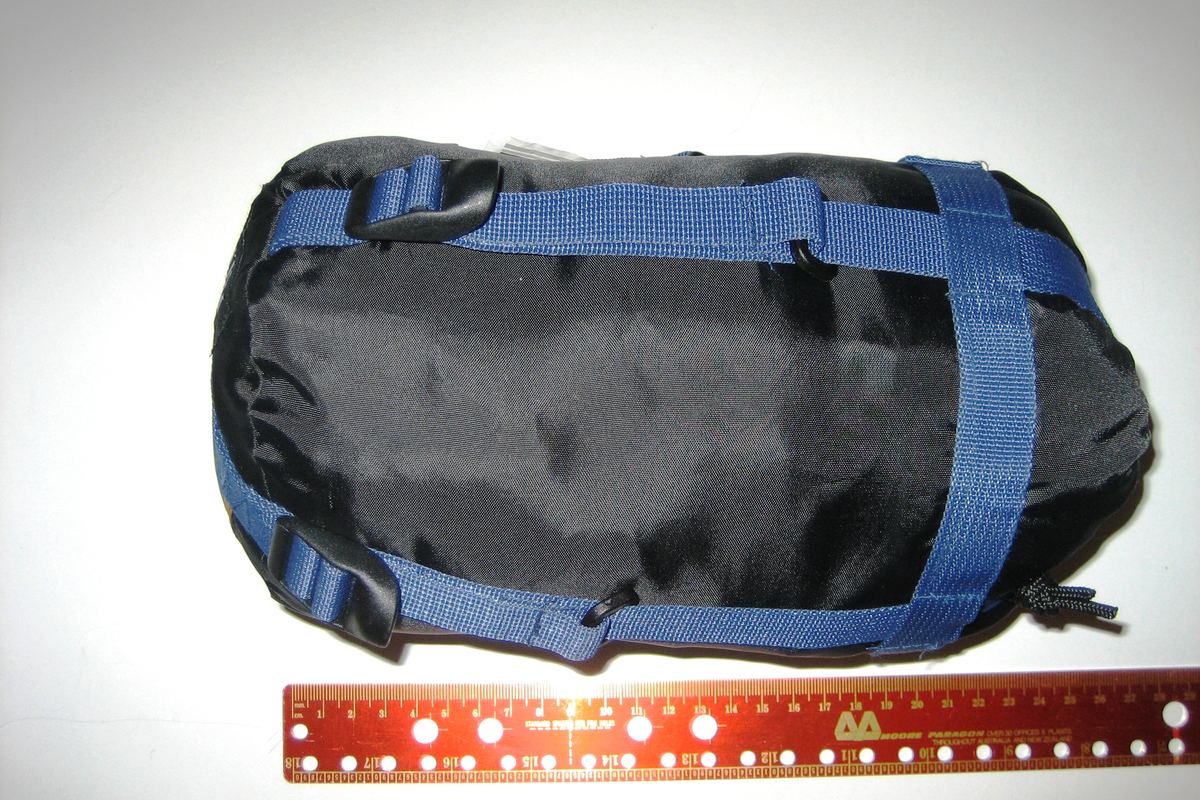
Stuff, don’t fold (usually)
Most modern sleeping bags should be stuffed into the stuff sack, not carefully folded the same way every time. Stuffing distributes stress across the insulation. Always follow the maker’s instructions if they differ.
Start stuffing from the footbox so trapped air can escape toward the open end. Don’t sit on the bag to crush it into a tiny sack if you don’t need that compression for the trip.
Compression sacks and storage sacks
- Stuff / compression sack: for travel. Use it on the trail or in the car trunk for the weekend.
- Large mesh or cotton storage sack: for home. The bag should sit loosely with room to loft.
Leaving a bag compressed for months is one of the fastest ways to kill synthetic loft and stress down clusters.
Where to store at home
Choose a cool, dry place away from direct sun and rodents. A closet shelf in a large sack is fine. Avoid damp basements and hot attics. Don’t hang a heavy down bag by a single loop for years if the maker warns against it; many bags are fine hanging briefly.
After a trip
- Air the bag outside or indoors until fully dry, including the footbox.
- Spot-clean mud from the shell.
- If it smells or is dirty, plan a proper wash (washing down for down bags; follow the label for synthetic).
- Store loosely.
In the field
Keep the bag in a waterproof dry bag or pack liner while hiking. At camp, fluff it before bedtime so loft recovers. Don’t leave it compressed all afternoon if you can hang it in the tent (dry weather) or lay it out.
Wet bag triage
If the bag gets soaked:
- Get out of the field if temperatures are dangerous and you can’t dry it.
- Wring gently only as the maker allows; never twist down hard.
- Dry with sun, airflow or a dryer on the setting the manufacturer specifies (many down bags can tumble on low with dryer balls; confirm first).
Common mistakes
- Long-term storage in the tiny stuff sack
- Packing a damp bag “just overnight” that turns into a week
- Compressing dirty grit into the insulation
- Putting a bag through a hot dryer against the label
FAQ
Can I vacuum-bag a sleeping bag?
Not for storage. Vacuum bags crush loft. Use them only if a manufacturer explicitly allows short-term travel packing—and even then, prefer the brand’s sack.
Should I keep the original box?
Boxes are fine for shipping, not for long-term loft. Use a large storage sack.
Seasonal gear storage tips for tents and bags: gear storage between seasons. Specs for bags on Sleep.
Storage options compared
- Large storage sack (often included with mid- and higher-end bags): easiest and best for loft.
- Hanging in a closet on a wide hanger: keeps loft, but heavier bags can stretch at the hanging point over time. Fine for many bags; check the care label.
- Laid flat under a bed: works if the space is dry and dust-free; cover it with a cotton sheet.
- Plastic bins: only if the bag is completely dry and the bin isn’t sealed so tightly that moisture is trapped. Avoid squashing the bag.
Packing for car camping
Car campers don’t need maximum compression. Pack bags in a large duffel or loosely in their storage sack so they come out lofted and ready. Keep them away from coolers and wet gear in the trunk. A plastic tote with a lid is a good “dry bin” for bags, pillows and sleep clothes.
Packing for backpacking
Put the bag at the bottom of the pack in a waterproof stuff sack or a pack liner. That keeps it dry and keeps heavier items closer to your back. Don’t overcompress if you don’t need the space.
Liners keep bags cleaner
A washable sleeping bag liner (silk, cotton or synthetic) keeps body oils and sweat off the bag lining. It reduces how often you need to wash the bag itself, which is good for down bags especially. Some liners add a little warmth, too.
Inspect before storing
Before you put the bag away:
- Check zippers for snags and clean grit from teeth.
- Look for small tears and patch them with gear repair tape.
- Check baffles for shifted down and shake it back into place.
Mice and moths
Store bags where rodents can’t get in. Mice nest in insulation. A sealed closet or a breathable sack inside a lidded (not airtight) bin is a reasonable compromise.
Summary
Travel compressed, store lofted, dry fully after every trip, and wash only when needed according to the care label. Your bag’s rated warmth depends on its loft, and storage is what protects that loft.
Why compression matters
Sleeping bag insulation works by trapping air in its loft. Packing a bag tightly for travel is fine, but leaving it compressed for weeks or months can reduce how well the insulation springs back over time, especially for synthetic fill. That is why most bag makers recommend storing bags in a large, breathable storage sack or hanging them, and only using the compression sack for trips.
Packing a bag for a trip
For backpacking, stuff the bag into its stuff sack, starting with the foot of the bag. Stuffing is faster than rolling and distributes wear on the insulation. For car camping, you can skip compression: put the bag in a large duffel or a storage sack and let it sit loosely in the car. Keep it away from fuel, food and coolers.
Keeping a bag dry on the trail
A wet bag loses warmth, especially down. Line your pack or stuff sack with a waterproof liner or a sturdy plastic bag. In the tent, keep the bag away from walls where condensation collects, and shake condensation off the tent ceiling before it drips. If a bag gets damp during the day, air it out in the sun or in a dry, breezy spot when you can.
Airing out after the trip
When you get home, unpack the bag immediately. Hang it or lay it flat to air out for a day, even if it seems dry; body moisture collects in the insulation overnight. Spot clean any stains following the maker’s instructions. Then move it to its long-term storage sack. If it needs a full wash, see how to wash a down sleeping bag.
Filter sleeping bags & pads by spec → Compare up to 3 →
Related guides
- How to Wash a Down Sleeping Bag
- Down or Synthetic Sleeping Bag Insulation
- How to Store Camping Gear Between Seasons
- How to Match a Sleeping Bag and Pad for Cold Nights
General guidance from CampTier, based on manufacturer instructions and common outdoor practice. We don’t claim hands-on testing. Always follow your gear maker’s care and safety instructions. See our safety notes.