
Camping with babies and toddlers: sleep, safety and packing
Practical guidance for a first camping trip with a baby or toddler: choosing an easy campground, sleep setups and keeping little ones warm, campsite safety around fire, water and roads, feeding and diapers, and lowering expectations.
By the CampTier team · Updated 2026-10-15 · About 5 min read
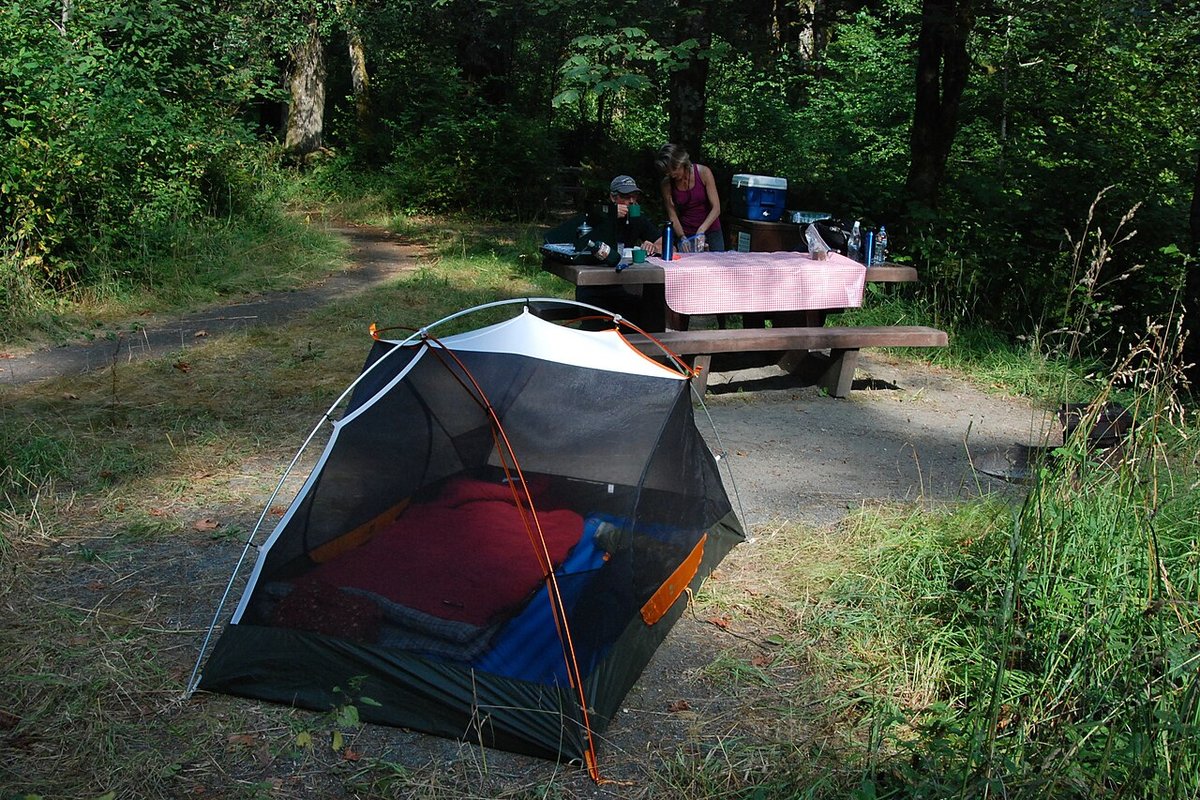
Yes, you can camp with little kids
Camping with a baby or toddler is different from camping with older kids or adults, but it is very doable. Small children often love the novelty of a tent, the sounds of birds and the freedom of dirt. The trick is to plan for their needs first: sleep, warmth, safety and food. Adults' plans come second.
This guide is general guidance for car camping with children under about four. It is not medical advice. Talk with your pediatrician about specific concerns such as infant sleep, sun exposure, insect repellent and travel with a child who has health conditions.
Start easy
Choose a first trip that removes as much friction as possible:
- A developed campground close to home, with drinking water, toilets and ideally showers. See choosing a campground for first-timers.
- One or two nights, not a week.
- Mild weather. Avoid forecast heat waves, cold snaps and storms.
- A site close to the car, so you can retreat to it for naps, a change of clothes or a meltdown.
- A backyard or living room "test camp" a week before, sleeping in the tent with the same bedding.
Some families plan to leave if it isn't working. That's a fine plan, not a failure.
Sleep: the make-or-break factor
Babies and toddlers sleep better when bedtime feels familiar. Bring the same sleep cues as at home: a sleep sack, a favorite stuffed animal, a book and the same bedtime routine. White noise from a phone or small speaker can mask campground sounds. Use it at a low volume to respect neighbors.
Infant sleep safety still applies outdoors. Follow current safe sleep guidance from health authorities and your pediatrician: babies sleep on their backs, on a firm, flat surface, without loose blankets, pillows or soft bedding around them. Many families bring a travel crib or a portable sleep space designed for infants that fits in the tent. Don't put a baby to sleep on an inflatable adult mattress or in an adult sleeping bag.
Toddlers can often sleep on a pad or a toddler cot in a sleep sack or a kids' sleeping bag sized for them. Large adult bags leave cold air pockets and can be unsafe for small children.
Keeping little ones warm (and not too warm)
Small children lose heat faster than adults, and they can't always tell you they are cold. Nights in many places are much colder than days, even in summer.
- Dress in layers: a base layer, fleece pajamas and a sleep sack sized for the temperature.
- Check warmth by feeling the back of the neck or chest, not hands and feet, which are often cool.
- Put an insulated pad under any sleep surface; cold comes from the ground. See sleeping pad R-values.
- Add a warm hat for early mornings and evenings around camp, but follow safe sleep guidance about hats and loose items for infants while sleeping.
- Overheating is also a risk. Don't overdress or bundle too heavily in a warm tent.
Our guide to sleep system layering for variable nights explains layering for adults; the same principles apply to kids' clothing, within safe sleep rules.
Campsite safety
Toddlers move fast and investigate everything. Before unpacking, walk the site at a toddler's eye level.
- Fire. The fire ring is the biggest hazard. Set a firm rule, consider a physical barrier, and have one adult responsible for the child whenever a fire or stove is lit. See building a safe campfire.
- Stoves and hot liquids. Cook out of reach, keep handles turned in and never hold a child while cooking.
- Water. Lakes, streams and even buckets are drowning hazards. Keep constant supervision near water and use a properly fitted life jacket around lakes and rivers.
- Roads and parking. Campground roads have cars, bikes and trailers. Stay with toddlers near roads.
- Small objects. Tent stakes, bottle caps, pebbles and pine cones are choking hazards for children who still put things in their mouths.
- Plants and bugs. Learn local poisonous plants and check for ticks after outdoor play. Ask your pediatrician about insect repellent for young children. See bugs, ticks and insect protection at camp.
- Guylines. Mark them with reflective tape or move them out of play areas.
A play yard or a large picnic blanket can create a safer space for babies when an adult needs both hands.
Feeding and drinking
Bring familiar foods and plenty of snacks; new places make kids hungrier and pickier. Keep milk, formula and baby food at the right temperatures in a cooler, and follow product instructions on how long prepared bottles and opened jars can be kept. Clean bottles and sippy cups thoroughly with safe water. Plan to boil water or bring enough bottled water for formula, as directed by your pediatrician or the formula label. Our cooler packing guide explains keeping food cold.
Diapers and potty
- Bring more diapers and wipes than you think you need.
- Pack used diapers out in sealed bags; never bury or burn them.
- A portable potty seat can help toddlers who are potty training and are scared of campground toilets.
- Hand sanitizer is useful, but wash hands with soap and water when you can, especially before eating.
Sun and weather
Shade is essential for babies and toddlers. A canopy, shade tent or umbrella helps, along with sun hats and protective clothing. Ask your pediatrician about sunscreen for babies under six months. See sun protection for campers and hikers. Watch for heat and cold stress, and have a plan to retreat to the car or go home if weather turns.
Gear checklist for little ones
- Safe sleep space for infants (travel crib or approved portable sleeper)
- Toddler sleeping bag or sleep sack, sized correctly
- Insulated pad under the sleep surface
- Layers, hats, extra clothes and socks (expect mud)
- Familiar sleep items and white noise
- Baby carrier for walks
- Life jacket for water play
- Play yard or large blanket
- Diapers, wipes, sealable bags
- Kid-friendly first aid items and any medications. See camp first-aid kit basics
- Headlamps for parents and a dim night-light for the tent
Setting expectations
Things will take longer. Naps may happen in a stroller or carrier. Someone may wake up at 5 a.m. delighted by birdsong. Plan short walks, simple meals and plenty of downtime, and let the campsite itself be the activity: digging, collecting leaves, watching ants and reading books in the tent. Our kid-friendly camping activities and gear guide has more ideas as they grow.
Bottom line
Successful camping with babies and toddlers starts with an easy campground, a safe and familiar sleep setup, warm layers and constant supervision around fire, water and roads. Keep the trip short, the plans flexible and the bar for success low. Add the essentials to your first car camping checklist.
Filter sleeping bags & pads by spec → Compare up to 3 →
Related guides
- Swimming safely at lakes and rivers near camp
- Fishing on a camping trip: a beginner's guide
- Camping in a yurt or cabin for the first time
- Hiking with kids: day hike basics for families
- Choosing a Campground for First-Timers
General guidance from CampTier, based on manufacturer instructions and common outdoor practice. We don’t claim hands-on testing. Always follow your gear maker’s care and safety instructions. See our safety notes.