
Hiking with kids: day hike basics for families
How to plan family day hikes that kids enjoy: choosing trails by age, pacing and breaks, what to pack, footwear and layers, snacks and water, safety rules and keeping the hike fun.
By the CampTier team · Updated 2026-10-15 · About 5 min read
Why family hikes are worth the effort
Day hikes are a great way to get kids outside, whether from home or during a camping trip. Children often notice things adults walk past: bugs, rocks, mushrooms and animal tracks. But hiking with kids is different from hiking with adults. Little legs tire quickly, interest comes and goes, and weather or hunger can turn a fun outing into a long walk back. This guide covers how to choose trails, pace the hike, pack the right gear and keep everyone safe and happy. If you are camping with very young children, see camping with babies and toddlers.
Choose the right trail
The best family trail is shorter and easier than you think. Look for:
- A short loop or out-and-back that you can cut short if needed
- Modest elevation gain, especially for younger kids
- Interesting features: a stream, lake, waterfall, viewpoint, boardwalk or big rocks
- Shade on hot days
- Toilets at the trailhead
- Well-marked trails with good signage
Park visitor centres, ranger stations and trail guides often list family-friendly hikes. Read recent trail reports for washouts, closures or crowding.
Set expectations by age
Every child is different, and energy changes from day to day. Some general ideas:
- Babies and toddlers are often carried in a carrier, with short walking breaks. The hike is about the adult's pace and the child's comfort.
- Preschoolers can walk short distances but stop often. Plan for plenty of exploring and breaks, and expect to carry them part of the way.
- School-age kids can manage longer hikes, especially with a goal at the end and friends along.
- Teenagers may be able to keep up with adults and enjoy more challenging hikes, especially if they help plan.
Start small and build up. A short hike that ends with kids wanting more is better than a long one that ends in tears.
Pacing and breaks
Let the slowest hiker set the pace. Put kids at the front, or just behind a lead adult, so they do not feel left behind. Take frequent breaks for snacks, water and exploration. Turning breaks into small destinations, such as the next bridge or the big tree, helps keep momentum. Set a turnaround time and stick to it, so you have enough energy and daylight to get back.
What to pack
Even on a short hike, bring the basics:
- Water for everyone. Kids may not notice thirst, so offer drinks often. See how much water to carry on hikes.
- Plenty of snacks, including familiar favourites. Hungry kids lose interest fast.
- Extra layers, a rain jacket and a warm hat, even if the forecast is good.
- Sun protection: hats, sunglasses and sunscreen. See sun protection for campers and hikers.
- A small first-aid kit with blister supplies, bandages, tweezers and any medications your child needs.
- Insect repellent suitable for children, used according to the label.
- Wipes and hand sanitiser.
- A headlamp or flashlight, in case the hike takes longer than planned.
- A map and a charged phone.
Let older kids carry a small daypack with their own water and snack. It gives them a sense of responsibility, but keep the load light.
Footwear and clothing
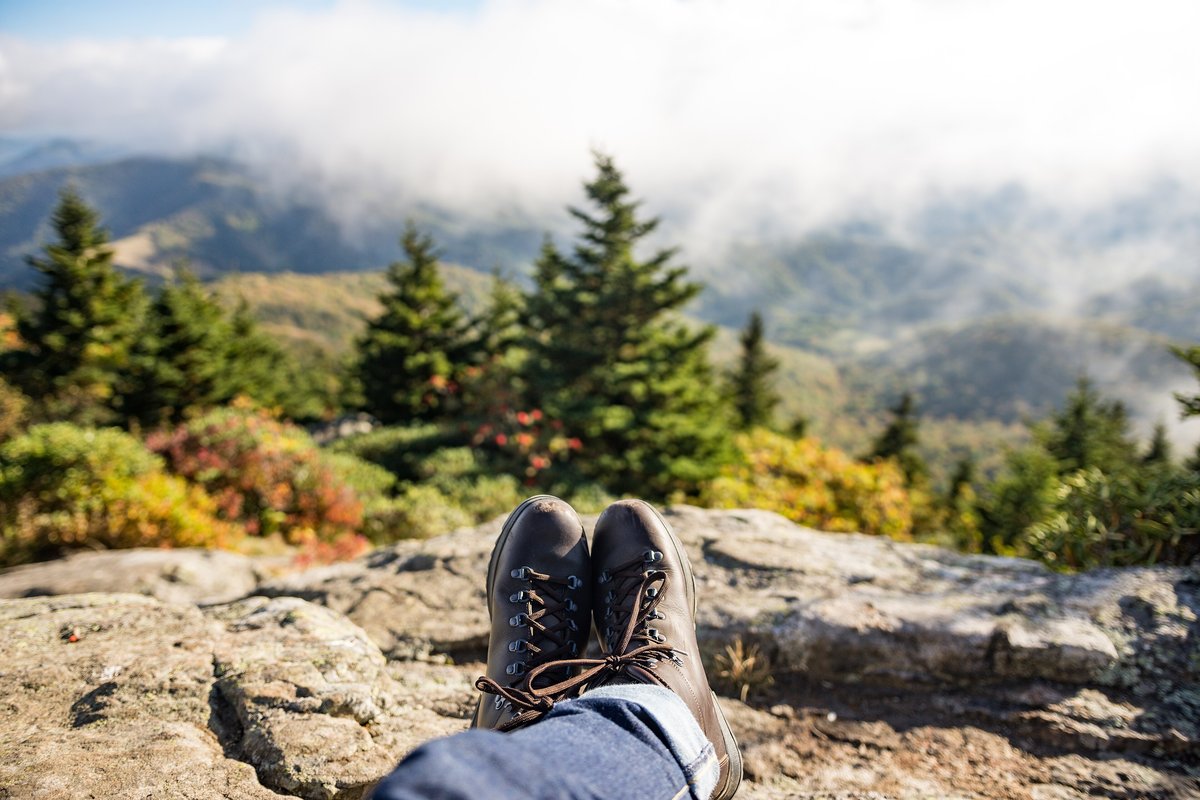
Kids do not always need hiking boots. Comfortable sneakers with good grip work for many trails. For rocky or muddy terrain, kids' hiking shoes or boots offer more support and traction. Make sure footwear fits well and has been worn before the hike. Our guide to choosing hiking footwear explains the options.
Dress kids in layers they can add or remove. Avoid cotton on cold or wet days, since it stays damp. Pack spare socks; wet feet are a common source of complaints and blisters. See hiking socks and blister prevention.
Keep it fun
Kids enjoy hikes more when they have something to do:
- Scavenger hunts: look for a pine cone, a feather, a red leaf or a bird.
- Nature journals: draw or write about what they see.
- Games: I spy, twenty questions or counting trail markers.
- Leadership: let kids lead, read the map or choose the snack spot.
- Bring a friend: kids often hike further with a friend along.
Our guide to kid-friendly camping activities and gear has more ideas.
Safety rules
Agree on simple rules before you start:
- Stay where you can see an adult, and stop at every junction.
- Stay on the trail.
- Do not touch or feed wildlife. Look but do not touch plants or mushrooms you do not know.
- Stay back from cliff edges and fast water.
Give each child a whistle and teach them that three blasts is a common signal for help. Teach them what to do if they get separated: stop, stay put and blow the whistle. Our guide to what to do if you get lost hiking covers the basics.
Weather
Check the forecast before leaving and watch the sky during the hike. Head back if storms are building. Kids can get cold or overheated faster than adults, so watch for signs that they are uncomfortable, such as shivering, unusual tiredness or crankiness, and adjust layers, rest in shade or turn around as needed.
Leave No Trace with kids
Hikes are a good chance to teach outdoor ethics: pack out all trash, leave rocks and flowers where they are, stay on the trail and give animals space. Kids often enjoy being responsible for picking up litter.
After the hike
Check everyone for ticks if you hiked in tick habitat, especially along the hairline, behind the ears, under the arms and around the waist. See bugs, ticks and insect protection. Talk about the best parts of the hike and what to try next time.
Bottom line
Choose short, interesting trails, let the slowest hiker set the pace, take lots of breaks and bring more snacks and layers than you think you need. Teach simple safety rules, keep it playful and turn around while everyone is still having fun. The goal is a hike your kids want to repeat.
Filter backpacks by spec → Compare up to 3 →
Related guides
- Camping With Kids: Activities and Gear That Help
- Camping with babies and toddlers: sleep, safety and packing
- How much water to carry on hikes and overnights
- Choosing Hiking Footwear: Boots, Mid Hikers and Trail Shoes
- Sun protection for campers and hikers
General guidance from CampTier, based on manufacturer instructions and common outdoor practice. We don’t claim hands-on testing. Always follow your gear maker’s care and safety instructions. See our safety notes.