
Bugs, Ticks and Insect Protection at Camp
How to keep mosquitoes, ticks, biting flies and wasps from ruining a trip: campsite choice, repellents, treated clothing, tent habits, food handling and daily tick checks.
By the CampTier team · Updated 2026-10-15 · About 5 min read
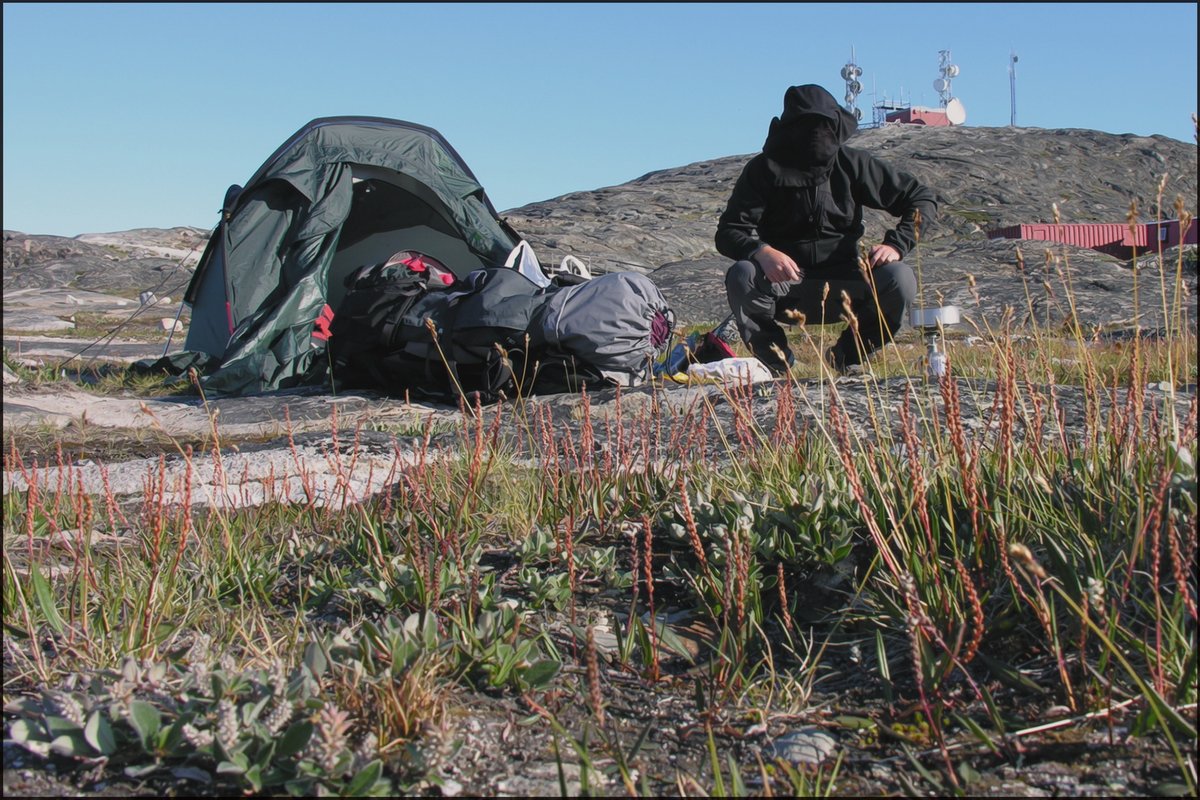
Bugs are a planning problem
Mosquitoes, black flies, no-see-ums, biting flies, ticks and wasps can turn a beautiful campsite into a miserable one, and some insects and ticks can spread diseases. You cannot control the bugs, but you can control when and where you camp, what you wear, what you put on your skin and how you handle food and the tent. This guide covers practical habits. It is not medical advice; for questions about disease risk, repellent use for young children or pregnancy, or reactions to bites and stings, follow your clinician's guidance and current public health information for the area you are visiting.
Know the season and the place
Insect pressure varies hugely by region and season. Many northern and mountain areas see heavy mosquito and black fly seasons in late spring and early summer after snowmelt, and coastal marshes can be buggy most of the warm season. Ticks are active whenever temperatures are mild, which in some places includes spring, summer and fall. Before a trip, read recent trip reports, check the land manager's website and ask the campground host. If the forecast is for a calm, humid evening by still water, expect mosquitoes.
Choose a less buggy campsite
- Get some breeze. Mosquitoes are weak fliers. A site on a slight rise or open spot that catches wind usually has fewer than a sheltered hollow.
- Move away from standing water. Marshes, ponds and puddles are mosquito nurseries.
- Avoid long grass and leaf litter at the edge of the woods, which is prime tick habitat. Pitch on a cleared pad and walk the middle of trails.
- Check for nests. Look around picnic tables, fire rings and trees for wasp or hornet nests before you unpack.
Repellents
Several repellent ingredients have been evaluated and registered for use on skin by public health and environmental agencies. Commonly recommended active ingredients include DEET, picaridin (also called icaridin), IR3535, and oil of lemon eucalyptus (OLE) or its synthetic version PMD. In general, higher concentrations protect longer, not better, and different products are labeled for different bugs and ages. Read and follow the product label:
- Apply to exposed skin and, where the label allows, clothing. Do not apply under clothing, on cuts or irritated skin, or near eyes and mouth.
- Apply sunscreen first and repellent second if you use both.
- For children, adults should apply repellent to their own hands and then to the child, avoiding hands, eyes and mouth. Follow the label's age limits, especially for OLE/PMD.
- Wash treated skin with soap and water when you are back inside the tent for the night if the label recommends it.
DEET can damage some plastics, synthetic fabrics and finishes like watch crystals or sunglasses; picaridin is less likely to do so. Many "natural" repellents with essential oils have not been evaluated to the same standard and may protect for much shorter periods.
Treated and protective clothing
Clothing is your best barrier. Long sleeves and pants in a tight weave, light colors (which make ticks easier to spot), and pant legs tucked into socks help a lot in tick country. Some campers use clothing treated with permethrin, an insecticide used on fabric, not skin. You can buy pre-treated clothing or treat your own with a product made for fabrics. Follow label directions exactly, let items dry completely before wearing, and keep permethrin away from cats while it is wet, since it is highly toxic to them. Head nets are inexpensive, light and invaluable in black fly and mosquito season, especially for sitting around camp at dusk. Gaiters help against ticks in brushy terrain; see choosing gaiters for hiking.
Tent and camp habits
- Keep the tent closed. Open and close mesh doors quickly and fully. A single open zipper at dusk fills a tent with mosquitoes.
- Inspect and fix mesh. A small tear is an open door for no-see-ums. Repairing torn tent mesh covers patching.
- Kill hitchhikers before bed with a headlamp sweep of the tent walls.
- Balance airflow and bugs. Mesh panels improve ventilation and reduce condensation; see tent ventilation and condensation. On very buggy nights, keep the fly vents open and the mesh doors closed.
- Screen rooms and bug shelters give you a bug-free space for cooking and eating on long stays.
- Lights attract bugs. Point lanterns away from the tent door, and use a warm or red light setting where available.
Spatial repellent devices (heated mats or cartridges that release repellent into the air) can help in still air around a seating area, but follow their instructions and never use fuel-burning devices inside a tent.
Food and stinging insects
Wasps and yellow jackets are drawn to sweet drinks and meat, especially late in summer. Pour drinks into cups with lids or drink from bottles you can see into, keep food covered, clean up promptly and take trash to campground bins. If you know anyone in your group has a severe allergy to stings, make sure their prescribed emergency medication is with them, not in the car, and that others know how to use it.
Daily tick checks
In tick country, check everyone (including kids and dogs) at least once a day and after every hike. Ticks like warm, hidden spots: scalp and hairline, behind ears, armpits, waistband, behind knees, between legs and between toes. Showering soon after outdoor activity can make ticks easier to find. If you find an attached tick, public health agencies generally advise removing it promptly with fine-tipped tweezers, grasping it close to the skin and pulling upward with steady pressure, then cleaning the area. Avoid folk remedies like burning or painting with nail polish. Note the date and location, and seek medical advice if you develop a rash, fever or other symptoms in the following weeks.
Dogs and bugs
Dogs pick up ticks fast and can carry them into the tent. Talk with your veterinarian about tick prevention before trips, check your dog daily and keep the dog on cleared ground near camp. Our camping with dogs gear guide covers more.
First aid for bites and stings
Pack antihistamine (as appropriate for you), a sting relief product, tweezers and a cold pack. Remove a bee stinger quickly by scraping it out. Seek emergency care immediately for signs of a severe allergic reaction, such as trouble breathing, swelling of the face or throat, or dizziness. Our camp first-aid kit basics lists more essentials.
Bottom line
Pick a breezy site away from standing water and tall grass, wear covering clothing, use a registered repellent according to its label, keep the tent zipped and do daily tick checks. A head net and a little planning make buggy seasons far more pleasant.
Filter tents by spec → Compare up to 3 →
Related guides
- Tent Ventilation and Condensation: Why Tents Get Wet Inside
- How to Repair Torn Tent Mesh and Small Fabric Tears
- Camp First-Aid Kit Basics
- Camping with Dogs: Gear Side
- Hot-Weather Camping Tips
General guidance from CampTier, based on manufacturer instructions and common outdoor practice. We don’t claim hands-on testing. Always follow your gear maker’s care and safety instructions. See our safety notes.