
How to Choose Hiking Gaiters
What gaiters do, the main heights and types, how to fit them to your boots, and when they are worth bringing on a hike or camping trip.
By the CampTier team · Updated 2026-10-15 · About 5 min read
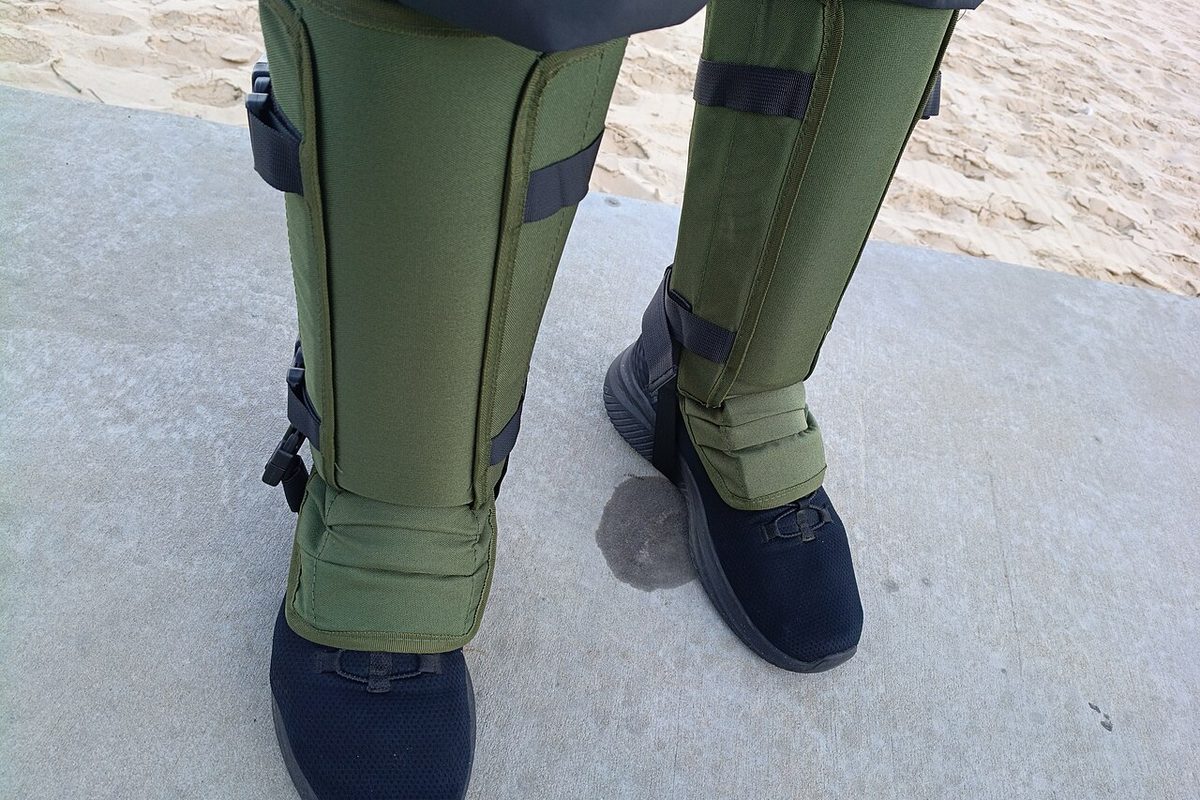
What gaiters do
Gaiters are fabric covers that wrap the top of your footwear and lower leg. They keep rocks, sand, mud, snow and grass seeds from getting into your shoes, and help keep the lower leg drier in wet brush or light snow. Some types add protection from abrasion or thorns. They are not essential on every hike, but on the right trail they can make a real difference to comfort and dry feet.
When gaiters help
- Wet grass and brush: Morning dew and overgrown trails soak socks fast. Gaiters keep water from running down into shoes.
- Mud: They protect laces and keep mud from getting inside.
- Snow: Taller gaiters help keep snow out of boots when you step through drifts.
- Scree, sand and gravel: Low gaiters stop small stones and grit from getting in, which helps prevent blisters.
- Thorny or rough brush: Durable gaiters protect pants and lower legs.
- Rain: Combined with rain pants, they help keep water from running into your boots.
On a dry, well-maintained trail, many hikers leave them at home.
Main types
Low or trail gaiters
These cover the ankle and the top of a trail shoe or low boot. They are light and breathable, and popular with trail runners and hikers in sand, scree and dusty trails. They are not much help in deep snow or very wet brush.
Mid-height gaiters
They reach partway up the shin and suit general hiking in mixed conditions: mud, puddles, wet brush and light snow.
Tall or mountaineering gaiters
These reach just below the knee and are made for snow, deep mud and heavy brush. Many are made of tougher fabric and sometimes waterproof breathable materials. They are warmer and heavier.
Specialized gaiters
Some gaiters are designed for specific hazards. For example, some are sold for lower-leg protection in areas with venomous snakes. If you are relying on gaiters for a particular protective purpose, read the manufacturer's claims and limitations carefully, and do not assume a general hiking gaiter provides that protection.
Materials
- Breathable stretch fabrics: Common in low trail gaiters. Light and cool, but not waterproof.
- Coated or tightly woven nylon: Durable and water-resistant. Common in mid and tall gaiters.
- Waterproof breathable membranes: Used in some gaiters for wet conditions. More expensive and warmer.
- Reinforced lower sections: Help with abrasion from rocks, crampons and brush.
As with jackets, waterproof fabric can still feel damp inside from sweat. Our rain gear guide explains waterproof versus water-resistant.
How gaiters attach
- Instep strap or cord: Runs under the boot, in front of the heel, to keep the gaiter from riding up. Straps wear out on rough terrain; replaceable straps or cords are useful.
- Front hook: Clips onto the laces near the toe to keep the gaiter in place.
- Closure: Hook-and-loop, zippers, snaps or a combination. Hook-and-loop is easy with gloves; zippers can jam with mud or ice.
- Top cinch: A buckle or elastic at the top to hold the gaiter against the leg.
Some trail gaiters attach with a hook-and-loop tab on the heel of the shoe instead of an under-foot strap. Check compatibility with your footwear.
Fitting gaiters
- Match the size to your footwear and calf. Many brands size gaiters by shoe size or calf circumference. Bulky boots may need a larger size.
- Try them on with the boots and pants you will wear. The gaiter should wrap snugly around the boot top without gaps.
- Check the instep strap length. It should sit snugly under the boot arch without being so tight that it pulls the gaiter down.
- Walk around and climb stairs. The gaiter should not slide up, rub the back of your ankle, or restrict movement.
- Check the hook position. It should catch the lowest laces without pulling the gaiter forward.
Gaiters with different footwear
- Waterproof boots: Gaiters help keep water out of the top of the boot, which is where most water enters during wet hikes. See our waterproof boots guide.
- Trail runners: Light trail gaiters keep debris out. Many hikers who wear trail shoes in wet conditions accept wet feet and focus on keeping debris out.
- Winter boots: Tall gaiters are common for snowshoeing and winter hiking.
Our hiking footwear guide explains the footwear options.
Using gaiters with rain pants
Rain pants should go over the gaiter top so water runs down the outside of the gaiter rather than inside it. Check the fit at home before relying on the combination.
Care
- Brush off mud and rinse after a muddy hike.
- Dry them fully before storing.
- Check instep straps and hooks regularly; replace worn parts.
- Waterproof gaiters may benefit from a durable water repellent treatment, following the fabric maker's instructions. Our boot cleaning and waterproofing guide covers the basics.
Common mistakes
- Buying gaiters that do not fit your boots
- Wearing the instep strap too loose, so the gaiter rides up
- Wearing pants inside gaiters, then wearing rain pants inside gaiters too, which channels water inward
- Using light trail gaiters in deep snow
- Assuming any gaiter is fully waterproof
Gaiters around camp
Gaiters are not only for the trail. At a dewy campsite, a pair of low or mid gaiters keeps socks dry during early-morning chores like fetching water or walking to the restroom through wet grass. In sandy campgrounds they keep grit out of shoes. Some families pack an extra pair for kids, who tend to find every puddle; check that the size range fits small footwear before relying on it.
FAQ
Do I need waterproof gaiters? Only if you expect sustained wet conditions such as deep snow, long stretches of wet brush, or steady rain. Breathable non-waterproof gaiters are often more comfortable in warm weather.
Will gaiters make my feet hot? Tall and waterproof gaiters can feel warm on hot days. Low breathable gaiters are the cooler choice for summer debris protection.
Can I wear gaiters with sandals? Generally no; most gaiters need a closed shoe or boot to seal against.
Bottom line
Gaiters are a simple tool for keeping your feet drier and cleaner. Choose the height for your typical conditions, fit them with the footwear you will wear, and check the straps before each trip. For a weekend trip, our backpacking packing list notes when to bring them.
Filter hiking boots by spec → Compare up to 3 →
Related guides
- Waterproof Hiking Boots: Membranes, Leather and When You Need Them
- Choosing Hiking Footwear: Boots, Mid Hikers and Trail Shoes
- Rain Gear for Camping
- How to Clean and Waterproof Hiking Boots
- Weekend Backpacking Packing List
General guidance from CampTier, based on manufacturer instructions and common outdoor practice. We don’t claim hands-on testing. Always follow your gear maker’s care and safety instructions. See our safety notes.