
Weekend Backpacking Packing List
A practical one- or two-night backpacking packing list organized by system, with notes on what to leave home and how to load the pack.
By the CampTier team · Updated 2026-10-15 · About 5 min read
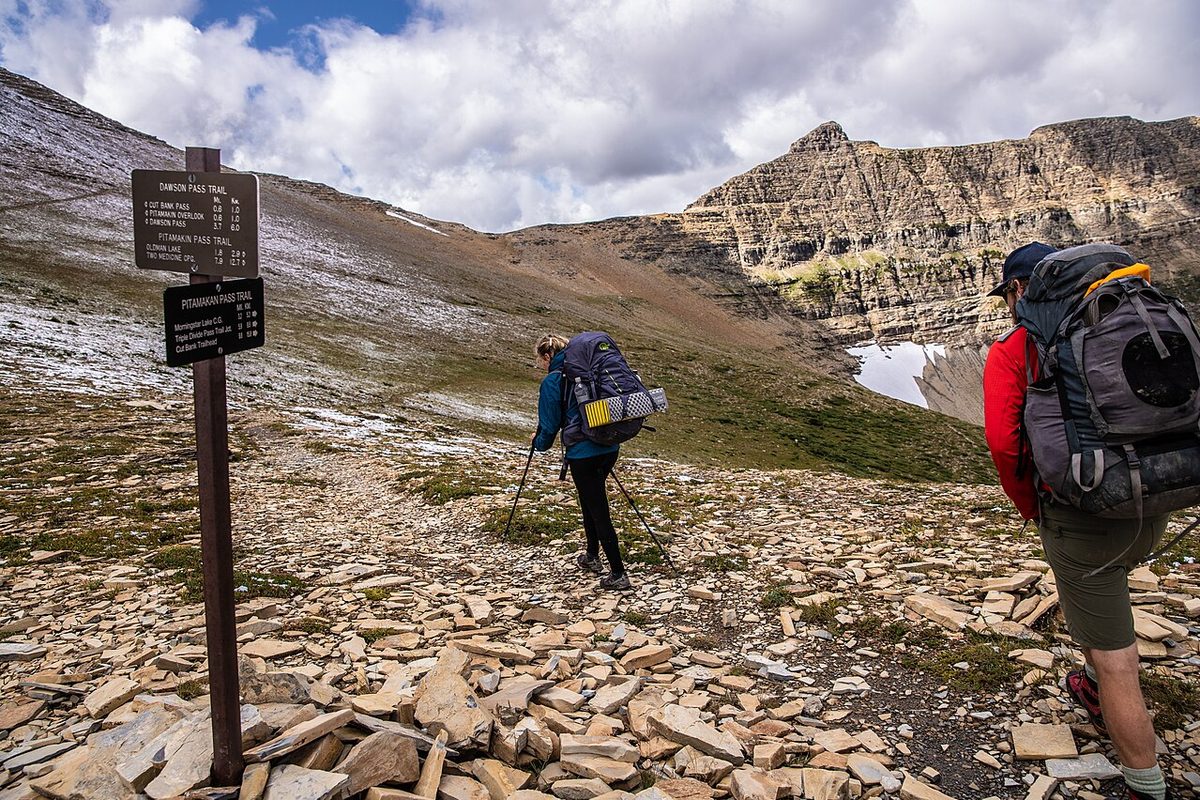
From car camping to backpacking
A first overnight backpacking trip is a big step from car camping. Everything you need has to fit in a pack and ride on your back, so each item earns its place. The good news: a weekend trip does not need specialized gear for every situation. This list is organized by system so you can see what each item does and where you can borrow, rent or substitute. Adapt it to your route, season and local rules.
Before you pack: know the trip
- Route and distance. How far, how much elevation gain, and where water sources are.
- Weather forecast, including overnight lows and wind.
- Permits and rules. Some areas need overnight permits, require bear canisters, or ban campfires.
- Bailout options. Where you could turn around or exit if needed.
- Who knows your plan. Leave your route and expected return time with someone at home.
The big three: pack, shelter, sleep
These are the bulkiest and heaviest items.
Pack. Outdoor retailers often describe something around 30 to 50 liters as a typical size for one to three nights, with more volume for bulky or cold-weather gear. Fit matters more than features. Our backpack guide explains torso length and hipbelt fit.
Shelter. A backpacking tent, or a tarp and bug net if you know how to pitch them. Bring the stakes and guylines. Practice pitching at home. Our tent setup guide helps.
Sleep system. A sleeping bag or quilt rated for the expected low, a sleeping pad with enough insulation for the ground temperature, and a small pillow or stuff sack of clothes. Our guides to temperature ratings and pad R-values explain the numbers.
Kitchen
- Stove and fuel (enough for the trip plus a little extra), or a no-cook menu
- Lighter plus a backup (matches in a waterproof container)
- One pot, one spoon or spork, one mug
- Food for each meal plus one extra snack-heavy day's worth of calories in case of delays
- Food storage: bear canister, hang kit, or odor-resistant bags as local rules require. See our food storage guide.
- Small trash bag to pack out everything
Our stoves and fuel guide covers canister and liquid-fuel stoves.
Water
- Bottles or a reservoir with enough capacity for the longest dry stretch
- A treatment method: filter, purifier, chemical tablets or drops, and a backup method
- Our water filtration guide explains the options
Clothing
Think in layers, not outfits. A typical weekend kit:
- Hiking clothes you wear (moisture-wicking shirt, shorts or pants, socks, underwear)
- Warm layer (fleece or insulated jacket)
- Rain jacket, and rain pants if the forecast calls for it
- Warm hat and light gloves for evenings
- Dry sleeping layers (top, bottoms, socks) that stay in the tent
- An extra pair of hiking socks
Avoid cotton as your main layer in cool or wet conditions, since it dries slowly. Our layering guide has more.
Footwear
Boots or trail shoes that are broken in and fit well, plus optional light camp shoes. Gaiters can help on wet, muddy or snowy trails; see our gaiters guide. Test new footwear on a day hike first.
Navigation and safety
- Map of the area and a compass, plus the knowledge to use them
- Phone with downloaded offline maps and a way to charge it (small power bank)
- Headlamp with fresh or charged batteries
- First-aid kit tailored to the group, including blister care. See our first-aid kit guide.
- Knife or multi-tool
- Sun protection: sunscreen, sunglasses, hat
- Insect repellent in bug season
- Emergency shelter such as a lightweight emergency blanket or bivy
- Whistle
- Optional: a satellite messenger or personal locator beacon for remote areas
Hygiene
- Toilet paper and a sealable bag to pack it out, or follow local rules
- Small trowel for catholes where allowed
- Hand sanitizer
- Toothbrush and a small amount of toothpaste
- Any personal medications
Extras worth considering
- Trekking poles, especially for steep descents (see our trekking poles guide)
- Sit pad
- Small repair kit: tape, a few safety pins, a patch for your pad, cord
- Pack liner or pack cover for rain
What to leave home
- Duplicate items (two knives, three lighters, extra cookware)
- Full-size toiletries
- More than one change of hiking clothes
- Heavy books or electronics you will not use
- Food in bulky packaging; repackage at home
How to load the pack
- Bottom: sleeping bag and camp-only clothes, which you will not need until evening.
- Middle, close to your back: the heaviest items, such as food, water reservoir, bear canister and stove. Keeping weight close to your spine and around shoulder-blade height improves balance.
- Top: items you may need during the day: warm layer, rain jacket, first-aid kit, water filter.
- Lid and hipbelt pockets: snacks, sunscreen, map, phone, headlamp.
- Outside: tent poles or sit pad can go in side pockets or under straps; keep dangling items to a minimum.
Put the pack on, adjust the hipbelt first, then the shoulder straps, load lifters and sternum strap. If it feels unbalanced, move heavy items closer to your back.
The night before
- Check the forecast again
- Charge the phone, headlamp and power bank
- Confirm the permit and parking details
- Lay everything out and check it off
- Weigh the full pack if you can, so you know what you are carrying
After the trip
Unpack the same day if you can. Dry the tent, sleeping bag and any damp clothing fully before storing them; see our tent cleaning and storage guide. Empty and dry water bottles and reservoirs, clean the stove and cookware, and restock the first-aid kit with anything you used. Make a note of food you carried home uneaten, since that is often the easiest place to cut weight next time.
Bottom line
For your first weekend trip, choose a modest route with reliable water, pack by system, and bring the safety basics. After the trip, note what you did not use and what you wished you had. That list is how your packing list improves.
Filter backpacks by spec → Compare up to 3 →
Related guides
- How to Choose a Backpack or Daypack for Camping
- Water Filtration and Treatment for Campers
- How to Layer Clothing for Camping
- Food Storage at Camp: Bear Boxes, Canisters and Hangs
- Trekking Poles for Camping and Day Hikes
General guidance from CampTier, based on manufacturer instructions and common outdoor practice. We don’t claim hands-on testing. Always follow your gear maker’s care and safety instructions. See our safety notes.