
How to Choose a Backpack or Daypack for Camping
Daypack vs overnight pack, liter sizes, fit and features that matter for campground hikes and car-camping side trips—without overbuying.
By the CampTier team · Updated 2026-10-15 · About 5 min read
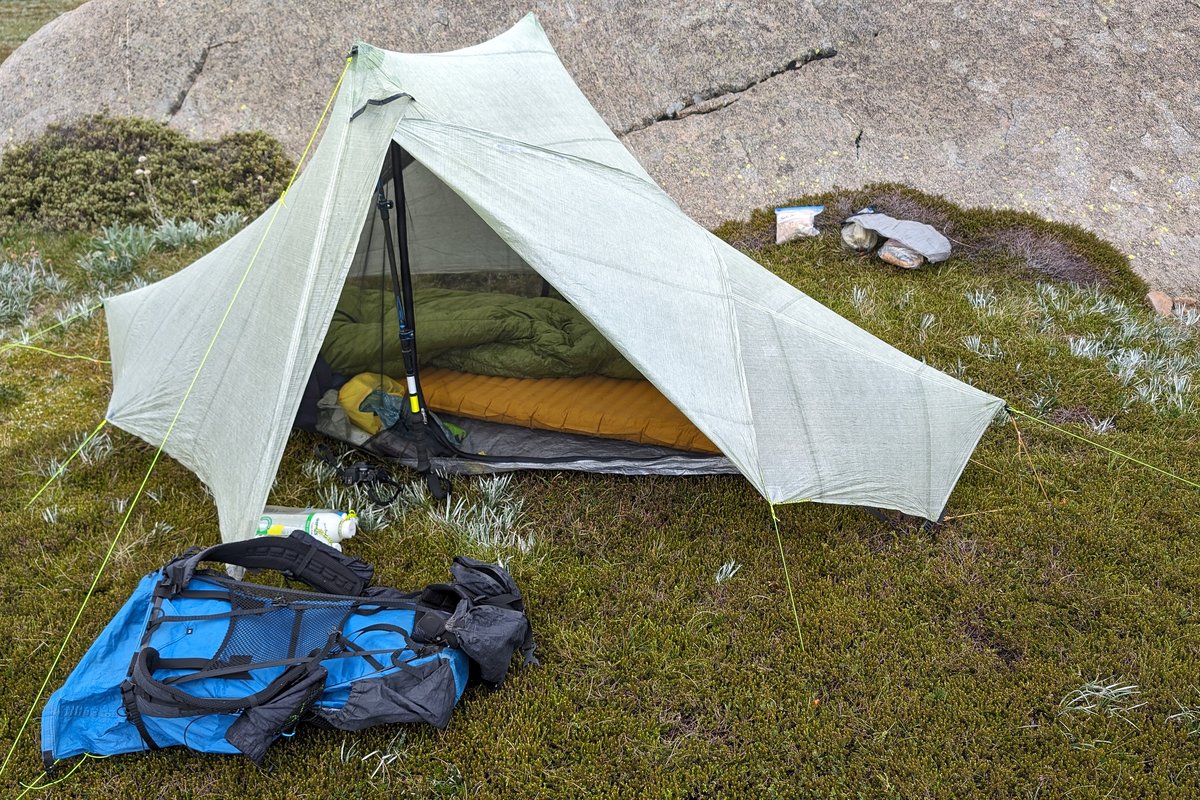
Car campers still need a pack
Even if the tent never leaves the trunk, you will want a pack for trailheads, waterfall walks and carrying water from the spigot. The right size keeps hands free and shoulders comfortable. Compare published liter capacities and weights on our backpacks page.
Daypack vs overnight pack
- Daypacks (often about 15–30 liters) hold water, layers, snacks, a first-aid kit and a rain shell for hikes from camp. This is what most car campers need first.
- Overnight / weekend packs (often about 40–65+ liters) hold a sleeping system and food for nights away from the car. Buy one when you start backpacking, not because it looks “more serious” at a campground.
If you only camp next to the car, a solid daypack plus a reusable grocery tote for camp chores covers almost everything.
Fit beats color
A pack that does not fit will hurt within a mile. Key ideas:
- Torso length, not height alone, drives harness size on many overnight packs. Measure following the maker’s method, or get fitted at a shop.
- Hipbelt should carry most of the weight on overnight loads; on daypacks it may be optional.
- Shoulder straps should wrap without gaps or dig points.
- Load the pack with real weight when you try it—water bottles are fine.
Women-specific and unisex cuts differ in shoulder strap shape and hipbelt angle; try both if you can.
Features worth paying for
- Hydration sleeve or bottle pockets you can reach while walking
- Rain cover (built-in or separate)—or pack a pack liner trash bag as backup
- Simple organization: one main compartment plus a lid pocket beats twenty tiny zippers you will never use
- Sternum strap to stabilize shoulder straps
- Durable fabric at the bottom; packs slide on rock and dirt
Skip marketing gimmicks you cannot explain in one sentence.
Sizing for real trips
Think about the heaviest day you actually take:
- Short nature-trail walk: small daypack or even a waist pack
- All-day hike with kids’ layers and lunch: mid-size daypack
- Climbing a peak from a campground in shoulder season: larger daypack with room for insulation and rain gear—see layering and rain gear
Packing basics
Put soft, light items at the bottom against your back’s lower curve, heavy food and water close to your spine and centered, and rain gear on top or in an easy pocket. Tighten compression straps so the load does not sway. On day hikes from car camp, you still want trekking poles or footwear that match the trail—see trekking poles and hiking footwear.
Kids’ packs
Kids carry less and tire faster. A small pack with a soft frame or no frame is enough. Pack their water and a snack they like; adults carry shared extras. Never overload a child to “train” them.
Care
Empty crumbs, dry the pack fully, and store loosely. Wash only as the manufacturer directs—many packs are wipe-clean only. Check seams and zipper tracks after sandy trips.
Common mistakes
- Buying a 65-liter expedition pack for campground day hikes
- Skipping a rain cover because “the forecast looks fine”
- Adjusting straps only once at the trailhead and never again as the load settles
- Carrying the day’s water in hand because bottle pockets are too tight
Bottom line
Most CampTier readers should start with a comfortable daypack in the 20–30 liter range, fitted with water and a jacket inside the store or living room. Upgrade to an overnight pack when nights away from the car become real, not aspirational.
Daypack organization that works in the dark
Use the same pocket layout every trip: rain shell always in the lid, snacks in the same hipbelt pocket, headlamp in the same shoulder pocket. When weather turns at dusk you will not remember a clever new system. A small zip pouch for blister care and tape keeps first-aid items from migrating to the bottom.
Water carry options
Side bottle pockets should let you draw a bottle without unclipping the pack. Hydration bladders free your hands but hide how much you have left—practice drinking on a schedule. In freezing weather, tubes ice up; bottles in an insulated sleeve against your body are simpler for cold car-camping day hikes.
When a “travel” pack is the wrong tool
Wheeled luggage and unstructured duffels are fine for the campsite bin run, but they fail on trails. If your weekends include both airports and campgrounds, keep a dedicated daypack that never gets demoted to checked-bag duty.
Fitting kids and teens
Teens grow; avoid the largest overnight pack “to last forever” if it leaves the hipbelt on their ribs. Adjust torso length each season. For small children, a plush stuffed animal in the pack is dead weight—let them carry water and a snack only.
Sustainability and used packs
A well-made used pack from a consignment shop often beats a flimsy new one. Check harness foam for crumbling, zippers for missing teeth, and hipbelts for broken buckles. Wash only as the label allows before the first trip.
Packing drill before you leave home
Load the pack with the real jacket, water and lunch. Wear it up and down a flight of stairs. If straps dig or the pack sags away from your back, adjust or exchange size before the trailhead parking lot becomes your fitting room.
Hipbelt fine-tuning
Cinch the hipbelt so the padded wings sit on the iliac crest, not on soft stomach. Then snug shoulder straps until they just hug—most of a loaded overnight weight should stay on the hips. On a daypack with a light load, a looser hipbelt is fine; on a heavier summit push from camp, take the thirty seconds to re-level the load at each break.
Torso length myths
Buying by height alone mis-sizes many people. Two adults of the same height can need different torso lengths. Use the maker’s measurement diagrams, or have a shop measure you. An adjustable harness helps, but it cannot fix a pack that is fundamentally too long or too short.
Compression and stability
Side compression straps pull a half-empty pack closer to your back so it does not sway. Use them. A swaying pack makes you tired and makes poles less effective. If you routinely carry a bulky foam pad, check whether your pack has diamond compression or exterior lash points before you invent a rope nest.
Rain and river crossings
Unclip the sternum strap and loosen the hipbelt before serious fords so you can shed the pack if you fall—standard outdoor-education advice. For ordinary campground creek bridges, common sense applies. Always keep the electronics and spare layers in waterproof liners when thunderheads build.
End-of-life signs
Frayed haul loops, foam that has collapsed flat, and zippers that separate behind the slider mean retirement or repair. A pack that smells permanently of mildew has been stored wet once too often; dry storage habits from our gear-care guides apply here too.
Filter backpacks by spec → Compare up to 3 →
Related guides
- First Car-Camping Trip Checklist
- Choosing Hiking Footwear: Boots, Mid Hikers and Trail Shoes
- Trekking Poles for Camping and Day Hikes
- How to Layer Clothing for Camping
General guidance from CampTier, based on manufacturer instructions and common outdoor practice. We don’t claim hands-on testing. Always follow your gear maker’s care and safety instructions. See our safety notes.