
Hot-Weather Camping Tips
How to stay cool and safe camping in summer heat: site and shade choices, tent ventilation, sleeping cooler, hydration, food safety in the cooler, and heat illness warning signs.
By the CampTier team · Updated 2026-10-15 · About 5 min read
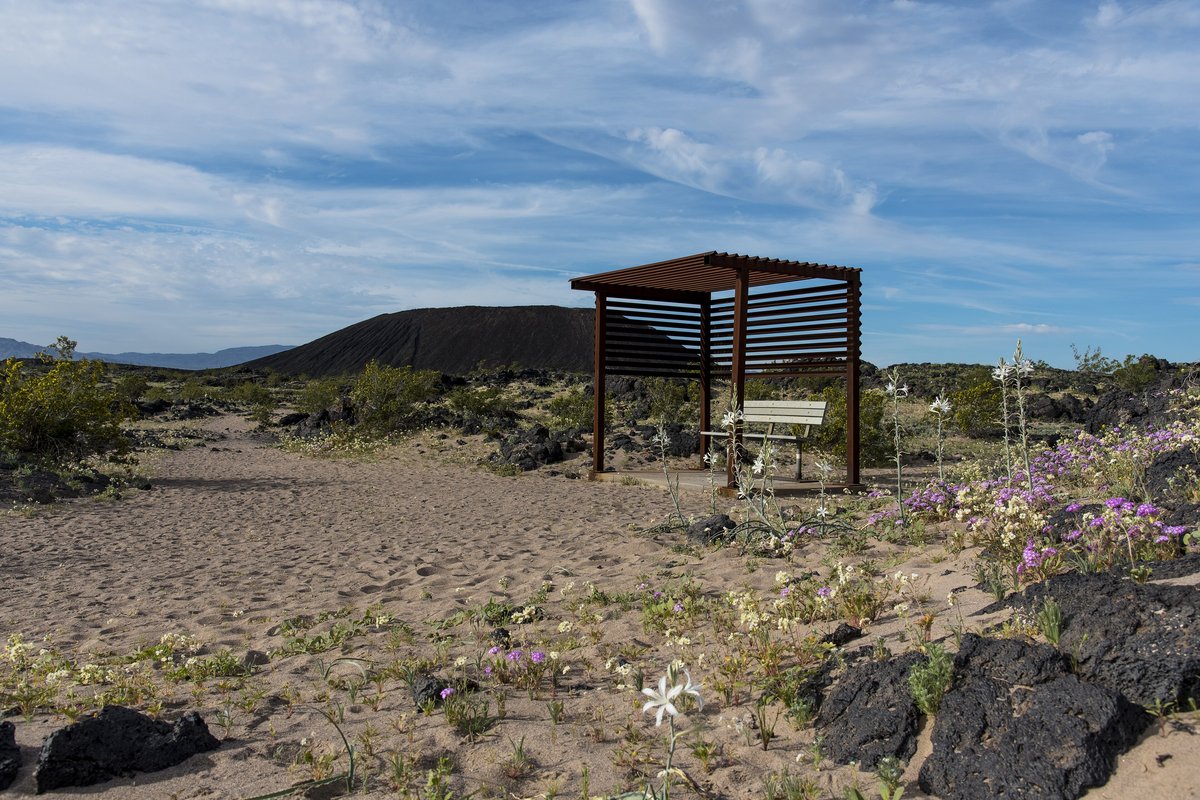
Heat changes the whole trip
Summer camping is the easiest kind for many people, until a heat wave arrives. Hot weather affects sleep, food safety, water needs, hiking plans and even how gear performs. Heat illness is a real risk, especially for children, older adults, people with certain medical conditions and anyone exerting themselves in the sun. The good news is that a few planning choices make hot-weather camping much more comfortable. This guide covers them, from where to pitch to when to hike. It is general advice, not medical guidance.
Pick the right time and place
- Go higher or near water. Temperatures generally drop with elevation, and lakes, rivers and coasts can bring cooler breezes. A mountain campground can be dramatically cooler than the valley you drove through.
- Check the forecast and heat advisories. If extreme heat is forecast, consider rescheduling, shortening the trip or choosing a site with amenities like shade structures and potable water.
- Avoid the hottest months in desert areas unless you are experienced and prepared. Many desert parks recommend camping in spring, fall or winter.
Choose a site for shade and breeze
Look at the site with the sun's path in mind. Morning shade on the tent and afternoon shade on the kitchen and seating area are ideal. A site that catches a breeze helps with both heat and bugs. Avoid pitching directly under dead branches or leaning trees (a hazard in wind), and avoid low hollows where hot, still air collects. If there is no natural shade, bring your own: a tarp or pop-up shade canopy over the seating area changes everything. Our setting up a camp tarp guide covers pitches and guylines.
Keep the tent cooler
A closed tent in direct sun heats up fast, so:
- Pitch late in the afternoon, or pitch in shade, and keep the tent shaded during the day if you can.
- Open everything while you are away from the tent: doors, windows and vents, with the mesh closed against bugs.
- Consider leaving the fly off on clear, dry nights if your tent allows it and the forecast is solid. Keep it nearby in case of a surprise shower.
- Use a reflective tarp or shade cloth above the tent during the day, pitched with an air gap so heat can escape.
- Orient the door to the breeze to encourage cross-ventilation.
Mesh-heavy tents are much more comfortable in heat. More on airflow is in tent ventilation and condensation.
Sleeping cool
Sleeping in a warm tent is hard. Options that help:
- Sleep on top of the bag or use it as a loose quilt; a light liner or sheet may be all you need. See choosing a sleeping bag liner.
- Choose a pad that breathes. Some foam and air pads feel warmer against the body than others; a cotton sheet over the pad can make it feel less sticky.
- Battery fans clipped to the tent ceiling move air well. Charge them during the day with a power bank; see camp batteries and charging.
- Rinse off before bed with a damp cloth to remove sweat and sunscreen.
- Wear loose, light sleep clothes and keep a hat and light layer nearby; desert nights can cool quickly.
Plan the day around the heat
Hike, run errands and do strenuous chores like setting up camp in the early morning and evening, and spend the hottest hours of the afternoon resting in shade, swimming where it is safe and allowed, or exploring visitor centers. Start hikes at dawn, carry more water than you think you need, and turn back if anyone starts struggling. Use a hat with a brim, sunglasses, sunscreen and light, loose clothing that covers skin. Sun-protective fabrics and light colors reflect more sun than dark ones.
Water: more than you think
Water needs rise sharply in heat and with exertion. Bring or plan enough for drinking, cooking and cleaning, and confirm whether the campground has potable water. If you will treat water from streams or lakes, see water filtration for camping, and remember that some water sources dry up in late summer. Drink regularly rather than waiting until you are thirsty, and eat salty snacks or use electrolyte mixes on long sweaty days, since replacing water without salt can be a problem over many hours of heavy sweating. Freeze water bottles at home; they keep the cooler cold and become cold drinking water as they thaw.
Keep food safe
Coolers work harder in heat. Pre-chill the cooler and food, keep it in shade (never in a closed car in the sun), open it as little as possible and use a separate drinks cooler. Add ice daily if possible. Our packing a cooler for multi-day trips guide covers layering and draining. Plan meals that need little cooking, and cook early or late to avoid standing over a stove at midday. Discard perishable food that has warmed above safe temperatures.
Watch for heat illness
Know the signs and act early:
- Heat exhaustion can include heavy sweating, cool and clammy skin, weakness, dizziness, headache, nausea, muscle cramps and a fast, weak pulse. Move the person to shade, loosen clothing, cool them with wet cloths or water, and have them sip water if they are alert. Seek medical help if symptoms worsen or do not improve.
- Heat stroke is a medical emergency. Signs can include a very high body temperature, hot red skin (dry or damp), confusion, slurred speech, fainting or seizures. Call emergency services immediately and cool the person aggressively with water and shade while you wait.
Children and pets cannot always tell you they are overheating. Never leave them, or anyone, in a parked vehicle.
Pets in the heat
Dogs overheat faster than people. Hike early, carry water and a bowl, keep them in shade, protect paws from hot rock and pavement, and watch for heavy panting, drooling or stumbling. See camping with dogs gear.
Fire, bugs and storms
Hot, dry periods often bring fire restrictions, so check before you plan a campfire. Warm evenings bring mosquitoes; see bugs, ticks and insect protection. Summer heat also fuels afternoon thunderstorms in many regions; read thunderstorm and lightning safety at camp.
Gear that handles heat
Many products have temperature warnings. Keep fuel canisters, batteries, power banks, aerosol sprays and electronics out of direct sun and hot cars, and follow manufacturer storage limits. Cooler lids, chairs and dark-colored gear can get hot enough to burn skin in full sun.
Bottom line
Choose elevation, shade and breeze; keep the tent ventilated and shaded; sleep under a liner instead of in the bag; move strenuous activity to mornings and evenings; drink and salt steadily; protect the cooler; and know the signs of heat illness. Respect the heat and summer camping stays fun.
Filter tents by spec → Compare up to 3 →
Related guides
- Tent Ventilation and Condensation: Why Tents Get Wet Inside
- How to Set Up a Camp Tarp
- Water Filtration and Treatment for Campers
- Packing a Cooler for Multi-Day Trips
- Choosing a Sleeping Bag Liner
General guidance from CampTier, based on manufacturer instructions and common outdoor practice. We don’t claim hands-on testing. Always follow your gear maker’s care and safety instructions. See our safety notes.