
Thunderstorm and Lightning Safety at Camp
How to read storm forecasts, set turnaround times, choose safer campsites, and what to do when thunder rolls in at camp or on the trail, including why a tent is not shelter.
By the CampTier team · Updated 2026-10-15 · About 5 min read
Storms are predictable more often than you think
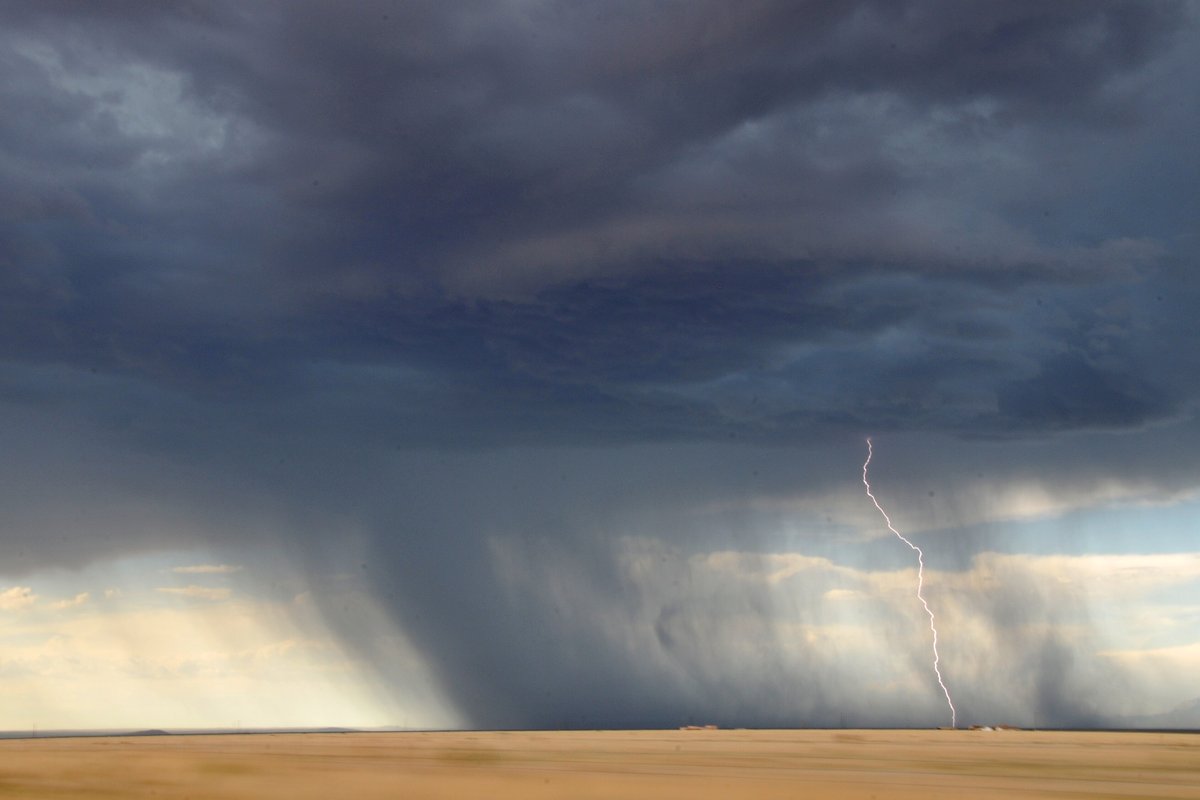
Thunderstorms can build fast, but they are rarely a complete surprise. Many regions have a typical pattern, such as afternoon storms in the mountains during summer or storms along a cold front. Knowing that pattern, reading the forecast and watching the sky let you plan around most lightning risk. This guide covers what campers and hikers can do before and during a storm. It reflects common guidance from weather and land management agencies, but the key message from all of them is the same: there is no completely safe place outdoors during a thunderstorm. The goal is to avoid being exposed in the first place.
Before the trip
- Read the forecast for the specific area and elevation, including hourly forecasts and any severe weather outlooks. Mountain forecasts can differ sharply from nearby towns.
- Learn the local pattern. In many mountain ranges in summer, storms commonly develop from late morning into the afternoon. Plan exposed hikes, summits and ridge walks for early morning.
- Set a turnaround time and stick to it. If clouds are building fast before your turnaround time, turn around anyway.
- Choose a campsite with an escape plan. Know where the nearest safer shelter is, such as a hard-topped vehicle or an enclosed building with plumbing and wiring.
How to judge a building storm
Watch the sky through the day. Puffy cumulus clouds that grow taller and darker, tower upward and develop flat, anvil-shaped tops are a warning sign. Darkening bases, gusty wind shifts and sudden temperature drops often come just before a storm hits. Lightning can strike many miles away from the storm itself, sometimes from what looks like clear sky ahead of it. If you can hear thunder, you are close enough to be struck. Many safety campaigns use the phrase "When thunder roars, go indoors," and recommend staying sheltered until about 30 minutes after the last thunder.
Where to go
The safest places are an enclosed building with plumbing and electrical wiring, or a hard-topped metal vehicle with the windows closed. Picnic shelters, open pavilions, tents, tarps and convertible cars do not protect you from lightning. At a developed campground, a bathroom building or visitor center may be the best option; your car is often the most practical shelter. When you arrive at a site, note how long it would take to get to your car or a building, and move early when a storm approaches.
Why a tent is not shelter
A tent keeps you dry, but it offers no protection from lightning, and its poles do not attract or deflect a strike in any meaningful way. During a storm, the safest move is to leave the tent and go to a vehicle or building if one is within reach. If there is none, the next-best options are about reducing risk, not eliminating it.
Choosing safer ground for camp
When you pick a campsite in storm-prone areas, avoid:
- Summits, ridges and exposed high points.
- Open meadows and fields where you or your tent are the tallest objects.
- Isolated tall trees or the edge of a single stand of trees.
- Bodies of water and wet, open shorelines.
- Low spots, dry washes and creek beds that can flood quickly in heavy rain, even from a storm miles upstream.
- Under dead trees or large dead branches that strong winds can bring down.
A site in a dense stand of trees of fairly uniform height, on slightly raised ground that drains well, in a valley rather than on a ridge, is generally a better choice than an exposed site. Our pitching a tent in rain guide covers drainage and site choices for wet weather.
If you are caught outdoors
If you cannot reach a safer shelter, guidance from weather and outdoor safety organizations commonly includes:
- Get off high ground immediately: descend from summits and ridges.
- Move away from water and open fields, and away from isolated tall objects.
- Avoid metal fences, power lines and other conductive objects that can carry current over long distances.
- Spread out a group, with people several yards apart, so a single strike is less likely to injure everyone and others can help.
- Keep moving toward safer terrain rather than waiting in an exposed position.
Some guides describe a crouching "lightning position" (feet together, crouched low, head tucked) as a last resort if you feel your hair stand on end or hear buzzing from nearby objects. Treat it as a desperate measure for the moment of greatest danger, not as a plan; the plan is to avoid being exposed.
Wind, rain and flash floods
Thunderstorms bring more than lightning. Strong gusts can break branches, collapse tents and send gear flying. Before storms, stake and guy out tents and tarps properly; see choosing tent stakes and guylines and setting up a camp tarp. Secure loose gear and take down shade canopies, which act like sails. Heavy rain can cause flash flooding in canyons, washes and creek beds within minutes. Never camp in a dry wash during storm season, and do not try to cross fast-moving water.
After the storm
Wait about 30 minutes after the last thunder before going back out. Check the campsite for downed branches, damaged tent poles and flooded areas before you re-enter, and check the forecast for a second round. If someone is struck by lightning, call emergency services right away. People struck by lightning do not carry an electrical charge and are safe to touch; if a person is not breathing or has no pulse, start CPR if you are trained. Bring and know how to use your first-aid kit; camp first-aid kit basics lists the essentials.
Teaching kids storm rules
Make storm rules simple and practiced: when anyone hears thunder, everyone goes to the car. Practice the walk from the campsite to the car on the first evening so children know the way.
Gear that helps
- Rain gear for everyone; see rain gear for camping.
- A weather radio or app with alerts, and a way to keep it charged.
- Map and compass for finding a safer route down when visibility drops; see map and compass basics.
- Headlamps within reach in case a storm arrives after dark.
Bottom line
Plan around the forecast and local storm patterns, set turnaround times, choose campsites away from high, open and flood-prone ground, and head for a vehicle or building as soon as you hear thunder. A tent is shelter from rain, not from lightning.
Filter tents by spec → Compare up to 3 →
Related guides
- How to Pitch a Tent in the Rain
- Rain Gear for Camping
- How to Set Up a Camp Tarp
- Map and Compass Basics for Hikers and Campers
- Camp First-Aid Kit Basics
General guidance from CampTier, based on manufacturer instructions and common outdoor practice. We don’t claim hands-on testing. Always follow your gear maker’s care and safety instructions. See our safety notes.