
What to do if you get lost hiking: prevention, staying put and getting found
How to avoid getting lost on hikes from camp, what to do if you realize you are off track (stop, think, observe, plan), when to stay put, signaling for help with whistles and phones, and teaching kids what to do.
By the CampTier team · Updated 2026-10-15 · About 6 min read
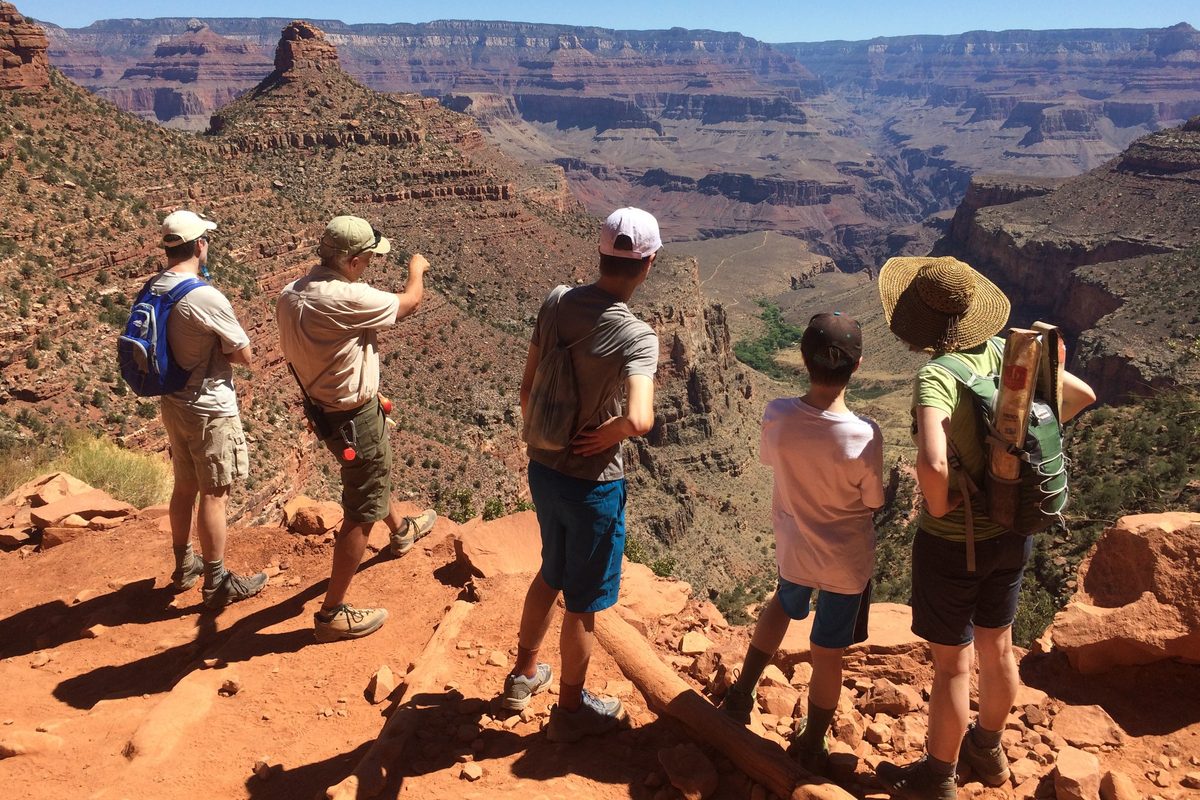
Getting lost happens to experienced hikers too
Many hikers get turned around at some point: a trail fades in a meadow, a junction is not marked, fog or snow hides the path or a shortcut does not go where you expected. Most people find their way back quickly. The situations that become serious usually involve a hiker who keeps moving in the wrong direction, gets separated from their group, runs out of daylight or gets hurt without telling anyone where they went.
This guide covers prevention and general steps to take if you are lost. Search and rescue organizations and land managers publish advice for their areas, and those sources come first.
Prevention: before you leave
- Tell someone your plan. Leave a trip plan with a friend or family member: where you are going, your route, who is with you and when you expect to be back. Agree on a time when they should call for help if they have not heard from you.
- Carry navigation. A map of the area, a compass and the skills to use them, plus a phone or GPS app with offline maps downloaded. See map and compass basics and combining paper maps with GPS apps.
- Check the route. Look at the trail on a topographic map before you go, noting junctions, landmarks and likely confusing spots. Our guide to reading topographic maps for day hikes explains how.
- Pack essentials. Even on short hikes from camp, carry water, snacks, a warm layer, rain gear, a headlamp, a whistle, a small first-aid kit and a charged phone. See packing a daypack for summit side trips.
- Know the daylight. Check sunset time and set a turnaround time.
Staying found on the trail
- Look back at junctions so you will recognize them on the way back.
- Note landmarks: a distinctive rock, a stream, a viewpoint.
- Check your map or app regularly, not only when you feel lost.
- Stay with your group. Agree to wait at every junction so nobody takes a different branch.
- If the trail seems to disappear, stop and look for markers such as blazes, cairns or signs, rather than pushing on.
If you realize you are lost: STOP
A widely taught approach is STOP:
- Stop. As soon as you suspect you are off track, stop moving. Wandering further usually makes things worse.
- Think. Stay calm. Have a drink and a snack. Think back to the last place you were sure of your location.
- Observe. Look at your map and surroundings. Check your phone's GPS if you have signal or offline maps. Listen for roads, water or other people. Look for trail markers.
- Plan. Decide what to do based on what you know: retrace your steps to a known point if you are confident you can, or stay where you are.
If you can clearly see the way back to a known point, retracing your steps is often the best option. If you are unsure, it is generally better to stay put, especially if someone knows your plan and will raise the alarm.
When to stay put
Search and rescue organizations commonly advise staying in one place if you are truly lost, injured or running out of daylight. It is much easier for searchers to find someone who is not moving. While you wait:
- Find a safe, visible spot near where you are, out of wind and weather, and away from hazards like cliff edges and streams.
- Put on warm layers before you get cold, and use a space blanket or emergency shelter if you have one.
- Ration water and food sensibly, but drink when you need to.
- Make yourself visible with bright clothing or gear laid out in the open.
Signaling for help
- Phone: if you have signal, call emergency services. Give your location as precisely as you can, including GPS coordinates if your phone shows them. Then save battery: lower screen brightness, close apps and turn on low-power mode. A text message sometimes goes through when a call cannot.
- Whistle: three blasts is a widely recognized distress signal. A whistle carries farther than a voice and uses less energy.
- Light: at night, flash your headlamp toward searchers or aircraft. See night hiking with a headlamp.
- Satellite messengers and personal locator beacons can send an SOS without cell coverage. If you carry one, know how it works before you need it.
Injuries and weather
If someone is hurt, treat what you can with your first-aid kit, keep them warm and call for help. Cold, wet and windy weather is a serious risk even in summer; get into dry layers and out of the wind early. In heat, rest in shade and conserve water.
Teaching kids what to do
Children can get separated from their group quickly. Before every hike:
- Give each child a whistle and teach them three blasts means "I need help."
- Teach them to stop and stay in one place if they cannot see their group, often taught as "hug a tree."
- Dress them in bright colors and keep a recent photo on your phone.
- Tell them that searchers are friendly and that they will not be in trouble.
- Keep them within sight on the trail and have them wait at every junction.
After you are found or back on track
Let anyone who was expecting you know you are safe, and notify rangers or search teams if a search was started. Afterward, think about what led to getting lost so you can plan differently next time.
Bottom line
Most hikers who get lost are found quickly, especially if they planned ahead. Leave a trip plan, carry navigation and essentials and stay alert at junctions. If you get lost, stop, think, observe and plan. Retrace your steps only if you are sure of the way, otherwise stay put, stay warm and signal with your phone, whistle or light.
Choosing and using an emergency messenger
Where phones have no signal, a satellite messenger or personal locator beacon (PLB) can call for help. PLBs send a distress signal through a government-supported satellite system and usually do not need a subscription, but most are one-way: they send an SOS and your location, nothing more. Satellite messengers often allow two-way texting with family or rescuers and may need a paid plan. Whichever you carry, register it as the maker or national authority requires, keep it charged or within its battery date, and carry it on your body or shoulder strap rather than deep in your pack. Learn how the SOS button works and what happens when you press it, and test any check-in or messaging features at home. Use the SOS function only for genuine emergencies, and send a follow-up message if your situation improves.
Staying found in snow and winter conditions
Winter adds its own navigation challenges. Snow covers trail tread and low markers, blowing snow can fill in your own tracks within minutes and short days leave less time to correct a mistake. Before a winter hike, check whether the route is marked for winter use, carry a map and compass and download offline maps, since cold drains phone batteries quickly. Keep your phone in an inside pocket and bring a small power bank. Set a firm turnaround time well before dark. If you become lost in snow, the same STOP steps apply, but staying warm becomes even more urgent: put on extra layers early, sit on a pad or pack instead of the snow and shelter from wind. Our guides to snowshoeing basics for winter hikes and recognizing and preventing hypothermia at camp cover more winter safety.
Filter backpacks by spec → Compare up to 3 →
Related guides
- Flash flood safety for campers and hikers
- Snowshoeing basics for winter hikes
- Map and Compass Basics for Hikers and Campers
- Reading topographic maps for day hikes
- Combining paper maps with GPS apps
General guidance from CampTier, based on manufacturer instructions and common outdoor practice. We don’t claim hands-on testing. Always follow your gear maker’s care and safety instructions. See our safety notes.