
Night Hiking with a Headlamp
How to hike after dark with a headlamp: beam modes, preserving night vision, pacing, group etiquette, batteries, and knowing when to turn around.
By the CampTier team · Updated 2026-10-15 · About 5 min read
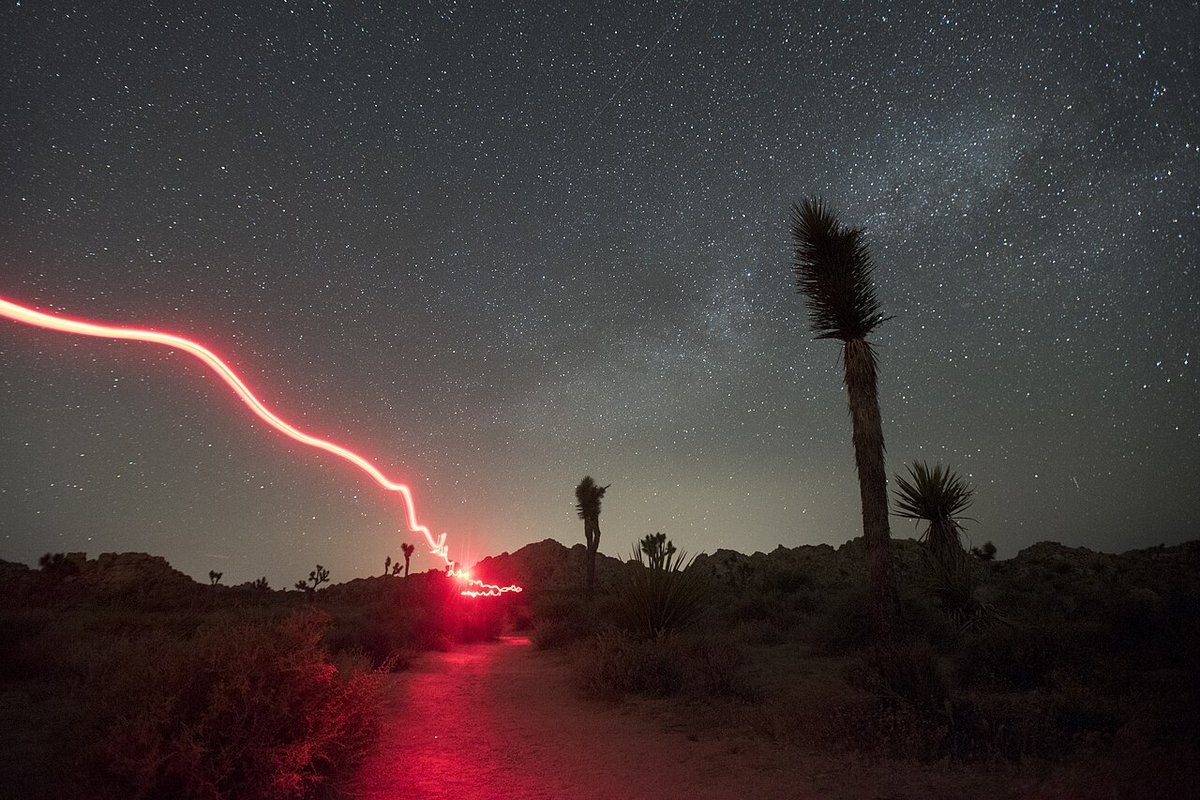
Night hiking is a different sport
Walking a familiar trail after dark changes depth perception, pace and decision-making. A headlamp makes it possible; judgment keeps it sane. This guide assumes you already understand basic headlamp features from how to choose a headlamp. It is not a dare to push into terrain you would not hike by day.
Why people hike at night
- Finishing a long day hike that ran late
- Beating heat in desert seasons by starting early or late
- Stargazing walks on easy, known paths
- Alpine starts for long routes (with appropriate skills)
If you are new, practice on a short, easy, well-marked loop near the trailhead before committing to remote miles.
Set the lamp before you need it
At the car or tent:
- Fresh or fully charged batteries; carry spares in a waterproof bag
- Know how to switch modes with gloves on
- Adjust the headband so the lamp does not bounce
- Confirm red-light mode if you use it for camp chores and night vision
See camp batteries and charging for power planning on longer trips.
Beam discipline
Flood helps with footing near your feet. Spot helps with markers and turns farther ahead. Many hikers switch often: glance ahead on spot, walk on flood. Running maximum brightness the whole time drains batteries and can wash out contrast. Use the least light that keeps you safe.
Protect night vision (yours and others’)
- Avoid shining into companions’ faces; aim at the ground when you turn
- In groups, agree on brightness so the front person’s beam does not leave the rear blind
- Red light helps around camp for map checks without blasting everyone’s eyes; on rough trail, white light is usually safer for footing
- Step aside and stop if you need to dig in a pack so you are not blinding people behind you
Pace and footing
Expect to move slower. Shuffle less; pick feet up over roots. Trekking poles can help with balance—see trekking poles basics and choosing trekking pole tips and baskets. On descents, deliberate steps beat bravado.
Navigation habits
Night erases casual “I’ll recognize it” confidence.
- Know the junction list before dark
- Use a map and a charged phone backup with offline maps if you rely on them—and a real plan if the phone dies
- Read blazes carefully; lots of look-alike trees appear in a narrow beam
- Turn around at a fixed time if you have not reached a known point
Clothing and temperature
Without sun, temperatures drop. Bring the layer you would want if you had to stop moving for twenty minutes. See layering for camping. Sweat plus wind at a viewpoint can chill fast when you stop to look at the sky.
Wildlife and noise
Make ordinary conversation on trails where animals might be surprised at close range. Store food properly at camp before night walks so you are not hiking with smellables bouncing on your hip belt. Do not approach glowing eyes.
Group etiquette
- Put confident navigators where the group needs them (often front or with the map)
- Keep gaps short enough that nobody walks alone into a wrong spur unless planned
- Call out hazards: “root,” “step down,” “mud”
- Agree on a turnaround time before leaving the trailhead
Weather and no-go signs
Skip night miles in severe storms, on exposed ridges with lightning risk, or on iced trails you cannot manage with your footwear. Fog can erase the beam’s usefulness beyond a few feet. Pride is a poor reason to continue.
Camp return
Dim the lamp as you enter camp so you do not wake the whole loop. Follow your campsite lighting plan so the tent area stays usable without blinding neighbors.
Practice checklist
- Short daylight familiarization of the same path
- Battery check and spare set
- Mode practice with gloves
- Layer in the pack
- Turnaround time written or agreed aloud
- Emergency whistle and basic first-aid items you already carry by day
Common mistakes
- Brand-new lamp on a brand-new trail at midnight
- Only one brightness mode used until batteries die
- Spot beam aimed at friends’ eyes
- No spare batteries
- Ignoring the planned turnaround because “it should be close”
Bottom line
Night hiking rewards preparation: a reliable headlamp you know how to run, slower pacing, stricter navigation, and the humility to turn around. Treat darkness as terrain, not as a vibe. Build skill on easy trails before you stack night miles onto remote objectives.
Battery margins and group roles
Treat runtime charts as approximate; start on medium when possible; keep spares warm. Assign a navigator in groups; rear hikers need footing light. If lost, stop, layer up, reassess rather than rushing cross-country.
Extra practical notes
Rehearse key steps on a low-stakes outing before you need them remotely. Write down what failed and adjust the kit at home. Teach partners the same rules. When manufacturer or land-manager rules are stricter than general advice, follow the stricter requirement. After each trip, dry gear, recharge lights, replace consumables and update your checklist while memory is fresh.
Extra practical notes
Rehearse key steps on a low-stakes outing before you need them remotely. Write down what failed and adjust the kit at home. Teach partners the same rules. When manufacturer or land-manager rules are stricter than general advice, follow the stricter requirement. After each trip, dry gear, recharge lights, replace consumables and update your checklist while memory is fresh.
Extra practical notes
Rehearse key steps on a low-stakes outing before you need them remotely. Write down what failed and adjust the kit at home. Teach partners the same rules. When manufacturer or land-manager rules are stricter than general advice, follow the stricter requirement. After each trip, dry gear, recharge lights, replace consumables and update your checklist while memory is fresh.
Extra practical notes
Rehearse key steps on a low-stakes outing before you need them remotely. Write down what failed and adjust the kit at home. Teach partners the same rules. When manufacturer or land-manager rules are stricter than general advice, follow the stricter requirement. After each trip, dry gear, recharge lights, replace consumables and update your checklist while memory is fresh.
Filter lighting by spec → Compare up to 3 →
Related guides
- How to Choose a Headlamp for Camping
- Campsite Lighting: A Simple Plan for Safe, Comfortable Nights
- Camp Batteries and Charging: Keep Your Lights Running
- Choosing Trekking Pole Tips and Baskets
- Trekking Poles for Camping and Day Hikes
General guidance from CampTier, based on manufacturer instructions and common outdoor practice. We don’t claim hands-on testing. Always follow your gear maker’s care and safety instructions. See our safety notes.