
Camping With Kids: Activities and Gear That Help
Practical ideas for keeping kids comfortable, safe and busy at camp: simple activities, the gear that makes a difference, and how to plan the day around younger campers.
By the CampTier team · Updated 2026-10-15 · About 4 min read
Why it is worth the effort
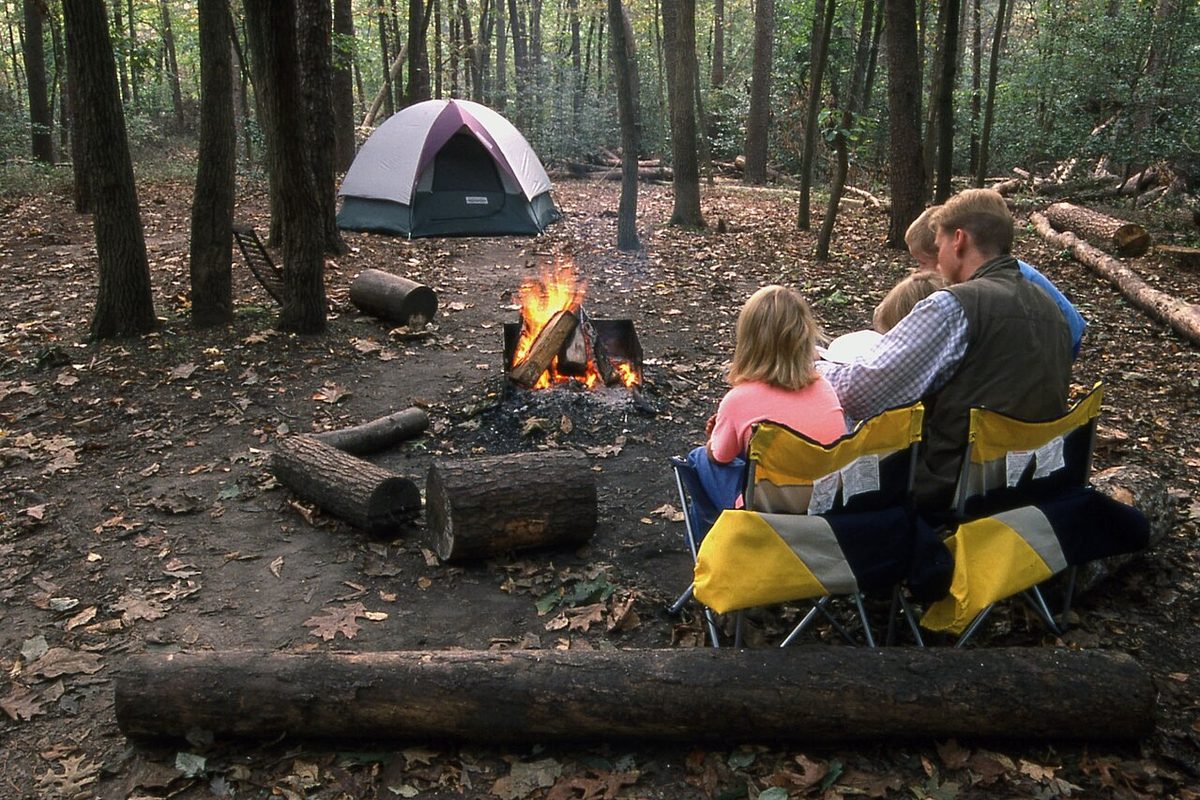
Camping with kids is a different trip from camping as adults. It can be messier and slower, and you spend more time on snacks and less time on scenery. It can also be the trip they remember for years. The secret is to plan the trip around them: short distances, easy logistics, comfortable sleep and plenty of simple things to do. This guide covers activities that work at almost any campground, plus the gear that makes life easier.
Plan the trip around the kids
- Start close to home. A campground within an easy drive lowers the stakes if it rains or someone gets sick.
- Choose a developed campground with water and toilets for first trips. Our campsite booking guide explains how to find one.
- Pick a site that is flat, away from the road and any steep drop-offs, and not right next to water if your kids are young.
- One or two nights is enough for a first trip.
- Keep routines where you can: similar meal times, a bedtime routine, a familiar stuffed animal or pillowcase.
Comfortable sleep makes everything easier
Tired kids are rarely happy campers. Help them sleep well:
- A sleeping bag sized for them, not an adult bag they rattle around in. See our kids' sleeping bag guide.
- A pad with enough insulation for the ground temperature.
- Warm, dry sleep clothes that stay in the tent.
- A headlamp or small light of their own for nighttime bathroom trips.
- A tent big enough for everyone plus gear. Our tent capacity guide explains sizing.
Gear that helps
- Kid-sized headlamp: Gives them independence and is useful for night walks. Teach them not to shine it in faces.
- Camp chair their size: Kids love having their own seat.
- Extra layers and an extra set of clothes: Kids get wet and muddy. Pack more than you think.
- Rain gear: Puddles are part of the fun. See our rain gear guide.
- Sun hat, sunscreen, and bug repellent suitable for kids, used according to the label.
- Water bottles they can carry.
- Whistle: Teach them to blow it three times if they are lost, and to stay put.
- A small backpack so they can carry their own snacks, water and a jacket.
- First-aid kit with kid-specific items. See our first-aid kit guide.
Activities that work at almost any campground
Nature scavenger hunts
Make a list of things to find: a pinecone, something smooth, something rough, a feather, a leaf with holes, an animal track. Look, don't collect, in parks that prohibit collecting; take photos or check items off instead.
Junior ranger programs
Many national, state and local parks offer junior ranger booklets and badges. Ask at the visitor center. Ranger-led walks and evening talks can be highlights.
Short hikes with a goal
A waterfall, a lake, a viewpoint or a big tree. Kids walk farther when there is something to reach. Keep it short, take plenty of breaks and bring snacks.
Camp jobs
Kids like being useful. Give them real jobs: collecting water, setting the table, holding tent poles, sweeping the tent, being the "light keeper." Our tent setup guide has steps they can help with.
Stargazing
Away from city lights, the night sky can be stunning. Lie on a blanket, look for constellations, watch for satellites, and use red light settings on headlamps to protect night vision.
Campfire time (where allowed)
Campfire stories, songs and s'mores are classic. Set clear rules: a circle around the fire ring where no one runs, an adult always present, and no sticks in the fire without permission. Check fire restrictions first. Our campsite basics guide covers campfire safety.
Quiet games
Cards, small board games, a journal, sketching supplies, a book. Useful for rainy hours in the tent or the evening before bed.
Bikes and scooters
Popular at campgrounds with paved loops. Bring helmets, follow campground rules and keep an eye on traffic.
Water play
If your campground has a lake or stream, wading and skipping stones can fill hours. Supervise closely; follow posted rules; use life jackets for young children near water.
Safety basics
- Walk the campsite boundaries with your kids when you arrive. Point out hazards: the fire ring, roads, water, cliffs.
- Agree on a meeting spot and what to do if they get separated: stay put, blow the whistle, hug a tree.
- Dress kids in bright colors so they are easy to see.
- Keep stoves, lanterns, fuel and lighters out of reach.
- Teach them to look but not touch plants and animals they do not know.
- Check for ticks daily in tick areas.
Teaching good camp habits
Kids learn by watching. Show them how to put trash in its place, keep food stored properly, stay on trails and leave the site cleaner than they found it. Our campsite etiquette and Leave No Trace guide has age-friendly principles. Many kids enjoy being the "trash detective" who checks the site before leaving.
When things go sideways
Rain, a cranky toddler, a lost shoe. It happens. Have a backup plan: a car ride to a nearby town, a rainy-day game, or even going home early. A shorter trip that ends happily beats a long trip that ends in tears. The goal is for them to want to come back.
Packing checklist for kids
- Sleeping bag, pad and pillow
- Headlamp with fresh batteries
- Extra clothes, including socks and a warm layer
- Rain jacket
- Sun hat, sunscreen and bug repellent
- Water bottle
- Whistle
- Small backpack
- Favorite comfort item
- Games, books, journal
- Snacks they like
Pair this with our first car camping checklist for the full family kit.
Bottom line
Keep the trip short and simple, prioritize sleep and snacks, give kids real jobs and a few easy activities, and stay flexible. The best family camping trips are the ones that leave everyone wanting more.
Related guides
- How to Choose a Kids Sleeping Bag
- First Car-Camping Trip Checklist
- Camp First-Aid Kit Basics
- How to Find and Book a Campsite
- Campsite Etiquette and Leave No Trace
General guidance from CampTier, based on manufacturer instructions and common outdoor practice. We don’t claim hands-on testing. Always follow your gear maker’s care and safety instructions. See our safety notes.