
How to Find and Book a Campsite
Reservations, first-come sites, group sites and dispersed camping explained, plus how to read site details so you book a spot that fits your tent and trip.
By the CampTier team · Updated 2026-10-15 · About 5 min read
Where to start
Finding a good campsite is mostly about knowing which kinds of camping exist, where they are listed, and how to read the details before you commit. Popular parks can fill quickly in peak season, while plenty of quieter campgrounds have space on short notice. This guide explains the main options and the details worth checking so the site you book matches your tent, your group and your plans.
Types of camping
Developed campgrounds
These have numbered sites, usually with a picnic table, a fire ring or grill, and a parking spot. Many have water spigots, restrooms (flush or vault toilets) and sometimes showers. They are run by national, state and local parks, national forests, other public land agencies, and private operators. For first trips, a developed campground is the easiest choice. Our campsite basics guide explains what to expect when you arrive.
Reservable vs first-come, first-served
Some campgrounds take reservations for every site; some hold a portion of sites for walk-up visitors; some are entirely first-come. Reservation windows vary. Some systems open bookings months ahead on a rolling basis, and popular dates can go quickly. First-come sites often fill early on weekends, so arriving midweek or early in the day helps.
Group sites
Larger sites intended for groups, often with more parking and space for several tents. They may have minimum and maximum group sizes and separate rules. Good for family reunions or clubs.
Walk-in and hike-in sites
Some campgrounds have sites a short walk from parking. They can be quieter, but you carry everything in. A wagon or a good pack helps. Check the distance before booking.
Dispersed camping
Many national forests and other public lands allow camping outside developed campgrounds, usually with no fee and no facilities: no water, no toilets, no tables. Rules often include stay limits, distance from water and roads, and fire restrictions. Dispersed camping requires more self-sufficiency, so learn the local rules first and plan to pack out everything. It is not allowed everywhere, and some areas allow it only in designated spots.
Private campgrounds
Privately owned campgrounds can include tent sites, RV hookups, cabins and amenities like stores and pools. They can be a good option near cities or when public sites are full.
Where to look
- Federal lands: Many national parks, national forests and other federal sites are listed on the government's central reservation website, recreation.gov, along with permits and tours.
- State parks: Each state runs its own reservation system, usually linked from the state park website.
- County and city parks: Often overlooked, and sometimes less crowded. Check local park department sites.
- Private campgrounds: Listed on their own websites and on camping directories.
- Ranger stations and visitor centers: Staff can advise on first-come options, dispersed areas and current closures.
Reading the site details before you book
The listing details matter more than the photo. Check:
- Tent pad size or site size. Large family tents may not fit small tent pads. Our tent capacity guide helps you know your tent's footprint.
- Number of tents and people allowed. Many sites limit both.
- Vehicles allowed. Extra vehicles may cost more or need to park elsewhere.
- Site type. Tent-only, standard, RV, walk-in, accessible.
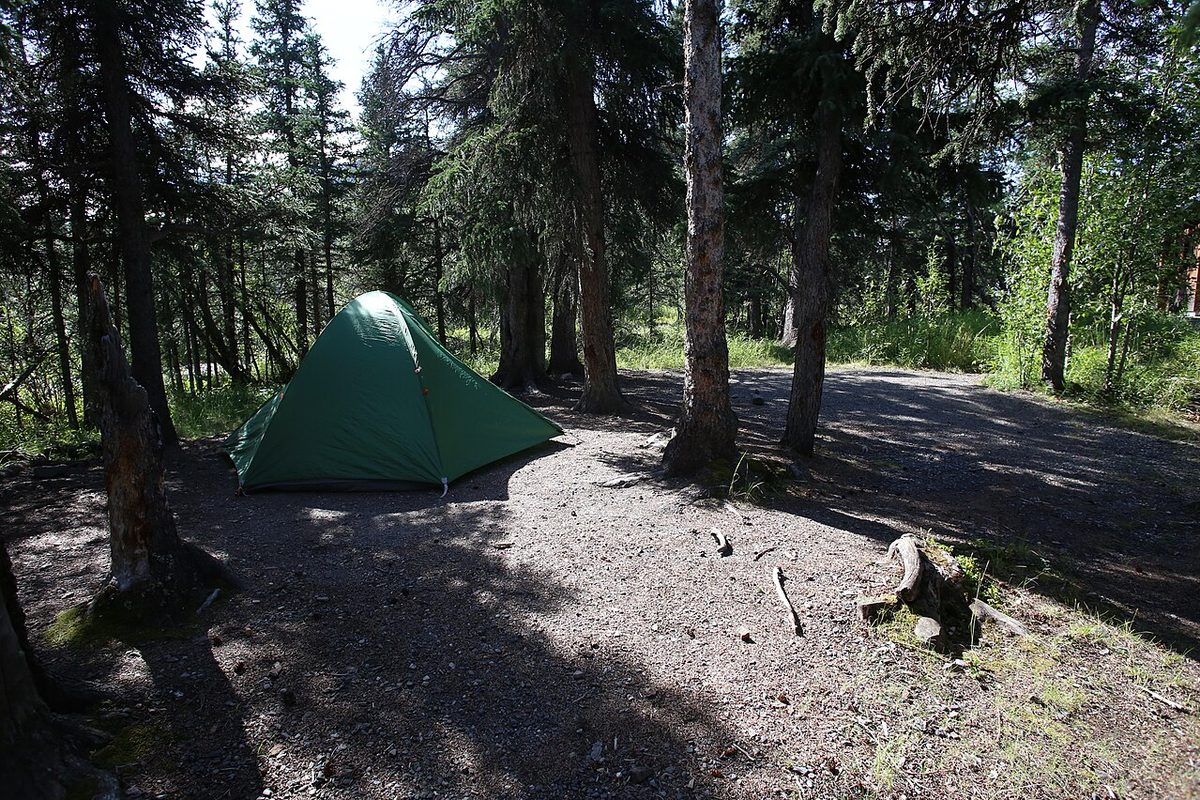
- Shade and exposure. Fully exposed sites can be hot in summer and windy in storms.
- Distance to water and restrooms. Close is convenient; right next door can mean traffic and lights.
- Fire ring or grill, and current fire restrictions.
- Bear box or food storage requirements. See our food storage guide.
- Quiet hours, check-in and check-out times, pet rules.
- Cell coverage. Often unreliable; download confirmations and maps before you go.
Campground maps show loop layouts. Sites on the outside of a loop often back onto woods and feel more private. Sites near the entrance or dump station see more traffic.
Tips for busy seasons
- Book as early as the system allows for holiday weekends and peak summer dates.
- Consider shoulder seasons and midweek trips.
- Look at lesser-known campgrounds near famous parks.
- Check back for cancellations; plans change and sites reopen.
- Have a backup campground in mind if you are relying on first-come sites.
Fees and cancellations
Fees, reservation charges and cancellation policies vary by agency and campground. Read the policy before booking, especially for group sites and holiday weekends. Some systems charge a fee to change dates or cancel, and some refunds depend on how far ahead you cancel.
Arriving
Bring your confirmation (printed or downloaded), arrive within the check-in window if possible, and look for the host or entrance kiosk. Check the posted fire status and any wildlife notices. If your site has a problem, such as flooding or a hazard tree, talk to the host rather than moving to another site on your own.
Choosing a site for your group
- Families with young kids: Close to restrooms, flat ground, away from roads and water hazards. Our kid-friendly camping guide has more ideas.
- First-timers: A developed campground with water and toilets.
- Light sleepers: Away from the entrance, restrooms and group sites.
- Dogs: Check pet rules and leash requirements before booking.
- Accessibility needs: Look for accessible sites, paved paths and accessible restrooms in the listing, and call ahead to confirm details.
Questions worth asking the campground
If the listing is unclear, a quick call or email to the campground office can save a disappointing arrival. Useful questions: Is the tent pad sized for a large family tent? Are fires currently allowed? Is drinking water on in this season? Where do extra vehicles park? Are there any closures or construction on the loop? Staff and hosts usually know the details that listings leave out.
Common mistakes
- Booking a site without checking that a large tent will fit
- Assuming a site has water or power
- Forgetting extra-vehicle fees or limits
- Relying on cell service for the confirmation
- Arriving after dark at a new campground without a map
Bottom line
Decide what kind of camping fits your group, look in the right reservation systems, and read the site details carefully. Then use our first car camping checklist to pack, and our campsite etiquette guide to be a good neighbor once you arrive.
Related guides
- How to Choose and Set Up a Campsite
- First Car-Camping Trip Checklist
- How to Choose a Camping Tent by Capacity
- Campsite Etiquette and Leave No Trace
- Camping With Kids: Activities and Gear That Help
General guidance from CampTier, based on manufacturer instructions and common outdoor practice. We don’t claim hands-on testing. Always follow your gear maker’s care and safety instructions. See our safety notes.