
Sun protection for campers and hikers
How to protect skin and eyes on long days outdoors: sunscreen amounts and reapplying, UPF clothing and hats, sunglasses, shade at camp, and the situations where sunburn sneaks up on people.
By the CampTier team · Updated 2026-10-15 · About 5 min read
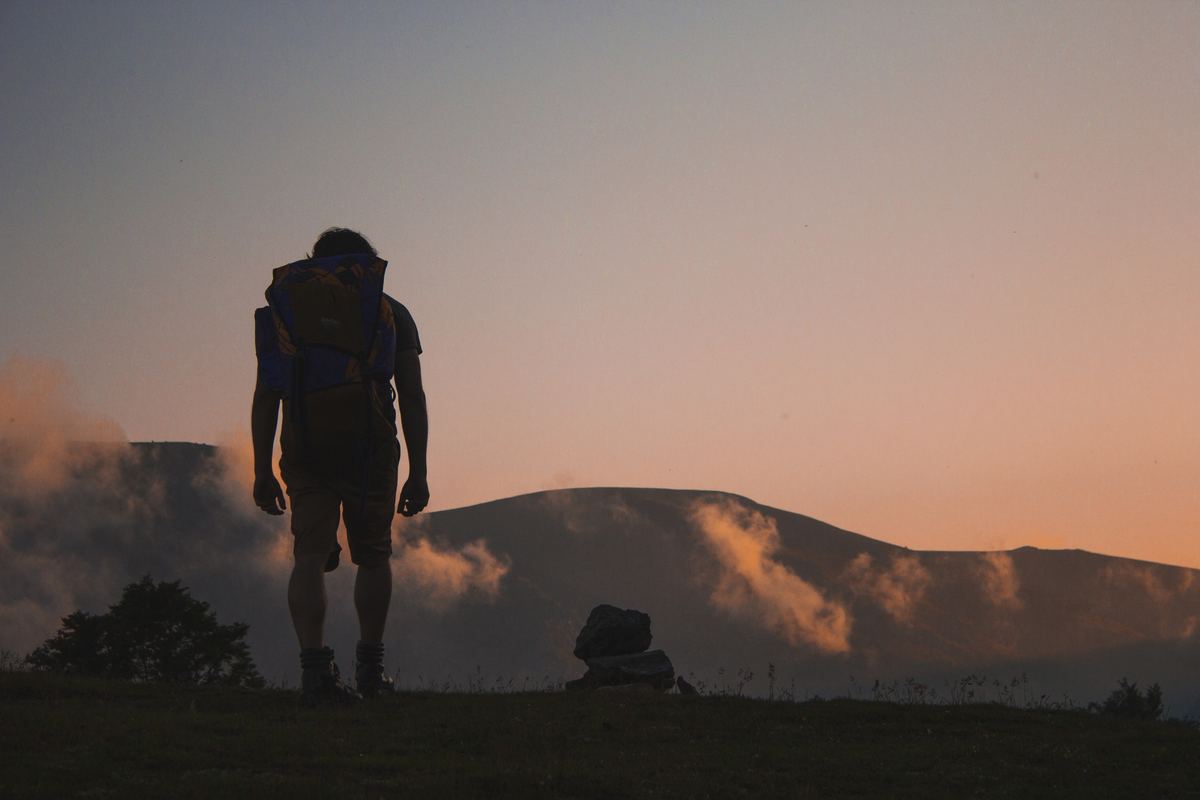
Sun exposure adds up over a camping day
On a normal workday most people get sun in short bursts. On a camping or hiking trip, you can be outside from sunrise to sunset, often on reflective water, sand, rock or snow, and frequently at higher elevations where UV is stronger. Sunburn on day one makes the rest of the trip uncomfortable, and repeated burns raise long-term skin cancer risk. A practical plan combines clothing, shade, sunscreen and timing. This guide is general information; ask a dermatologist or pharmacist about specific products if you have sensitive skin or take medications that increase sun sensitivity.
Clothing first
Clothing is the most reliable sun protection because it does not wear off.
- UPF-rated shirts and pants list an ultraviolet protection factor. Higher numbers block more UV. Many lightweight hiking shirts carry UPF ratings, and long sleeves in a loose, breathable fabric can feel cooler than bare skin in strong sun.
- Hats: a wide brim (all the way around) shades the face, ears and neck far better than a baseball cap. A cap with a neck cape or a buff is a decent alternative.
- Neck gaiters and sun gloves protect the back of the neck and hands, which burn easily on long hikes with trekking poles.
- Dark or tightly woven fabrics block more UV than thin, pale, loosely woven ones, and wet cotton blocks less than dry.
See layering for camping for building a system that handles both cool mornings and hot afternoons.
Sunscreen that actually works
Most sunscreen failures come from using too little and not reapplying.
- Choose broad-spectrum sunscreen (protects against UVA and UVB) with SPF 30 or higher. Water-resistant formulas are better for sweat and swimming.
- Apply generously, about a shot-glass amount for the exposed body of an adult, and don't forget ears, the back of the neck, the tops of feet and the part in your hair.
- Apply 15 minutes before going outside so it can set.
- Reapply at least every two hours, and immediately after swimming or heavy sweating, following the label directions.
- Use SPF lip balm. Lips burn and crack quickly in wind and sun.
Sticks are handy for the face and lips on the trail; lotions cover larger areas. Keep a small bottle in the hip-belt pocket so you actually use it, rather than buried in a pack. Check expiration dates; sunscreen stored in a hot car for years may not perform as labeled.
Eyes
UV can burn the surface of the eye (photokeratitis), especially on snow and water, and long-term exposure contributes to eye problems. Choose sunglasses that block 100 percent of UVA and UVB (often labeled UV400). Wraparound styles or side shields reduce light coming in from the sides. On snow or glaciers, darker, glacier-style lenses are used. Polarized lenses reduce glare off water but are a comfort feature, not UV protection by themselves.
Timing and shade
UV is usually strongest in the middle of the day, roughly late morning to mid-afternoon. A practical rule: if your shadow is shorter than you are tall, UV is strong. Plan exposed sections, beach time or paddling for morning or late afternoon when you can. Check a weather app's UV index.
At camp, create shade before you need it. A tarp, canopy or picking a site with afternoon tree shade makes lunch and rest times far more pleasant; see setting up a camp tarp. Remember that shade reduces UV but does not remove it, since light reflects off surrounding surfaces.
Where sunburn sneaks up on people
- On water. Paddlers and anglers get UV from above and reflected from the surface.
- At altitude and on snow. Cool air hides how strong the sun is; see camping at altitude.
- On cloudy days. Much UV still passes through clouds.
- In the car. Long drives with an arm on the window ledge add up.
- After swimming. Sunscreen washes off faster than people expect.
Kids at camp
Children burn quickly. Prioritize hats, UPF swim shirts and shade, then sunscreen on exposed skin. For infants, pediatric groups generally recommend shade and clothing over sunscreen; ask your pediatrician. Kid-friendly activity planning is in kid-friendly camping.
If someone burns
Get out of the sun, cool the skin with cool (not icy) water or damp cloths, drink fluids and wear loose clothing. Moisturizing gels can soothe skin. Blistering over a large area, fever, chills, confusion or signs of heat illness need medical attention. Sunburn can overlap with heat exhaustion on hot days; see hot weather camping tips.
Checklist
- Wide-brim hat and UV400 sunglasses
- Long-sleeve UPF shirt for the hottest hours
- Broad-spectrum SPF 30+ sunscreen in an easy-reach pocket
- SPF lip balm
- Shade plan for camp
- Reapply reminder every two hours
Sunscreen and insect repellent together
Many campers need both. Common guidance is to apply sunscreen first, let it absorb, then apply repellent on top. Combination products exist but can make reapplication awkward, because sunscreen needs reapplying more often than many repellents. See bugs, ticks and insect protection for repellent choices.
Caring for sun clothing
UPF fabrics keep their rating best when you follow the care label. Fabric softeners and harsh washing can affect some treatments, and stretched or worn-thin fabric protects less. Our base layer and hiking clothes care guide covers washing technical fabrics.
Leave No Trace in the water
When swimming in lakes and streams, sunscreen washes off into the water. Many people apply it well before swimming so it absorbs, wear a sun shirt in the water to reduce the amount needed, and avoid washing sunscreen off directly in small water sources.
A small sun kit that lives in the pack
Most people forget sun gear because it is scattered across the house. Keep a small zip pouch packed year-round with a travel-size sunscreen, an SPF lip balm, a spare pair of inexpensive UV400 sunglasses and a lightweight buff. Toss it in the daypack every trip and refill it at the end of each season. A second pouch in the car covers drives and spontaneous stops. When you replace sunscreen, write the purchase month on the bottle so you can tell old stock from new at a glance.
Filter backpacks by spec → Compare up to 3 →
Related guides
- Hot-Weather Camping Tips
- How to Layer Clothing for Camping
- Caring for Base Layers and Hiking Clothes
- Packing a daypack for summit side trips
- Camping at altitude: acclimatization, sleep and gear
General guidance from CampTier, based on manufacturer instructions and common outdoor practice. We don’t claim hands-on testing. Always follow your gear maker’s care and safety instructions. See our safety notes.