
Choosing a Campground for First-Timers
How first-time campers pick a campground: amenities vs quiet, reservations, site spacing, weather backups, and what to check before you book.
By the CampTier team · Updated 2026-10-15 · About 5 min read
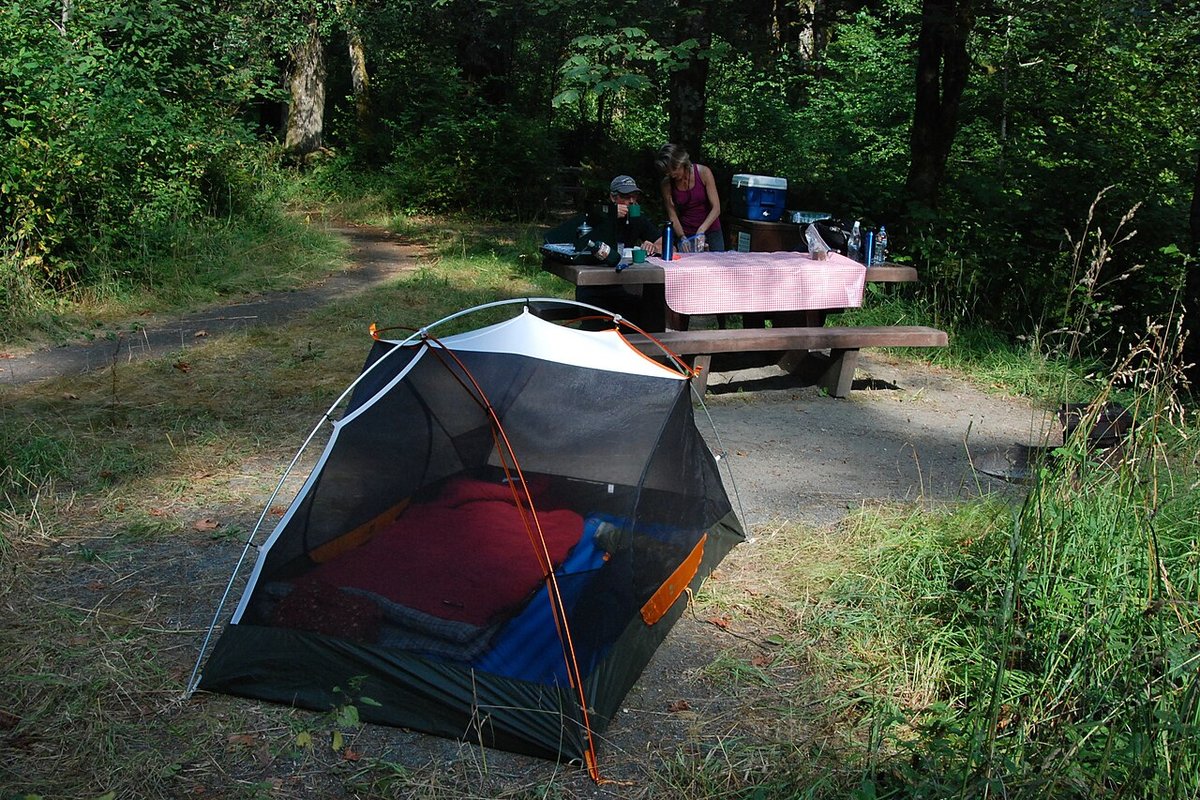
First trips should optimize for learning
Your first campground nights teach systems: shelter, sleep, food, bathrooms and neighbor etiquette. A well-chosen developed campground makes that learning easier than a remote dispersed site with no water and no toilets. This guide pairs with finding and booking a campsite and first car camping checklist.
Define success
Good first-trip goals: sleep enough to function, cook simple meals, keep the site tidy, leave on time. Poor goals: farthest drive, hardest hike-in, biggest group, brand-new everything in the rain.
Amenities that help beginners
Potable water, toilets, picnic table and fire ring where allowed, optional cell service, host presence, and a short walk from parking help. Hookups matter more for RVs than tents. A primitive loop can still work if bathrooms are close. Family loops are lively; tip or walk-in sites are often quieter. Read recent notes about noise. Etiquette applies everywhere—see campsite etiquette and Leave No Trace.
Reservations, maps and weather
Popular weekends book out—reserve early or aim midweek, and keep a backup campground. Screenshot confirmations offline. On the map look for flat pads that fit your tent (choose tent capacity), shade vs morning sun, drainage, night walks to toilets, and neighbor spacing. Mild stable forecasts beat hero weather; shoulder season is colder—use shoulder-season camping checklist.
Kids, dogs and rules to read
With children, prioritize bathrooms, short trails and safe play—see kid-friendly camping activities and gear. With dogs, check leash rules before booking. Read quiet hours, firewood rules, wildlife food storage, generator hours and cancellation policies. Arrive with daylight; set shelter first, then bed, then kitchen per campsite basics.
Red flags and bottom line
Avoid long rough access at dusk in low-clearance cars, all-new gear still packaged, empty water jugs, summer bags on freezing nights, and huge uncoordinated first-timer groups. Pick a forgiving campground with water, toilets and a flat pad; reserve a backup; arrive in daylight; keep the itinerary simple. Master the ordinary night before the dramatic one.
Extra practical notes
Rehearse key steps on a low-stakes outing before you need them remotely. Write down what failed and adjust the kit at home. Teach partners the same rules so nobody digs blindly through shared gear in the rain. When manufacturer instructions or land-manager rules are stricter than general advice, follow the stricter requirement. After each trip, dry gear, recharge lights, replace consumables and update your written checklist while memory is fresh. A short debrief with anyone who camped with you catches issues you personally did not notice, such as a sticky zipper someone else fought quietly or a cooler that warmed because drinks and food shared one lid all weekend.
Extra practical notes
Rehearse key steps on a low-stakes outing before you need them remotely. Write down what failed and adjust the kit at home. Teach partners the same rules so nobody digs blindly through shared gear in the rain. When manufacturer instructions or land-manager rules are stricter than general advice, follow the stricter requirement. After each trip, dry gear, recharge lights, replace consumables and update your written checklist while memory is fresh. A short debrief with anyone who camped with you catches issues you personally did not notice, such as a sticky zipper someone else fought quietly or a cooler that warmed because drinks and food shared one lid all weekend.
Extra practical notes
Rehearse key steps on a low-stakes outing before you need them remotely. Write down what failed and adjust the kit at home. Teach partners the same rules so nobody digs blindly through shared gear in the rain. When manufacturer instructions or land-manager rules are stricter than general advice, follow the stricter requirement. After each trip, dry gear, recharge lights, replace consumables and update your written checklist while memory is fresh. A short debrief with anyone who camped with you catches issues you personally did not notice, such as a sticky zipper someone else fought quietly or a cooler that warmed because drinks and food shared one lid all weekend.
Extra practical notes
Rehearse key steps on a low-stakes outing before you need them remotely. Write down what failed and adjust the kit at home. Teach partners the same rules so nobody digs blindly through shared gear in the rain. When manufacturer instructions or land-manager rules are stricter than general advice, follow the stricter requirement. After each trip, dry gear, recharge lights, replace consumables and update your written checklist while memory is fresh. A short debrief with anyone who camped with you catches issues you personally did not notice, such as a sticky zipper someone else fought quietly or a cooler that warmed because drinks and food shared one lid all weekend.
Extra practical notes
Rehearse key steps on a low-stakes outing before you need them remotely. Write down what failed and adjust the kit at home. Teach partners the same rules so nobody digs blindly through shared gear in the rain. When manufacturer instructions or land-manager rules are stricter than general advice, follow the stricter requirement. After each trip, dry gear, recharge lights, replace consumables and update your written checklist while memory is fresh. A short debrief with anyone who camped with you catches issues you personally did not notice, such as a sticky zipper someone else fought quietly or a cooler that warmed because drinks and food shared one lid all weekend.
Extra practical notes
Rehearse key steps on a low-stakes outing before you need them remotely. Write down what failed and adjust the kit at home. Teach partners the same rules so nobody digs blindly through shared gear in the rain. When manufacturer instructions or land-manager rules are stricter than general advice, follow the stricter requirement. After each trip, dry gear, recharge lights, replace consumables and update your written checklist while memory is fresh. A short debrief with anyone who camped with you catches issues you personally did not notice, such as a sticky zipper someone else fought quietly or a cooler that warmed because drinks and food shared one lid all weekend.
Filter backpacks by spec → Compare up to 3 →
Related guides
- How to Find and Book a Campsite
- First Car-Camping Trip Checklist
- Campsite Etiquette and Leave No Trace
- How to Choose and Set Up a Campsite
- Shoulder-Season Camping Checklist
General guidance from CampTier, based on manufacturer instructions and common outdoor practice. We don’t claim hands-on testing. Always follow your gear maker’s care and safety instructions. See our safety notes.