
Shoulder-Season Camping Checklist
A practical spring and fall camping checklist: temperature swings, layers, sleeping system tweaks, daylight planning, and campsite habits when nights turn cold.
By the CampTier team · Updated 2026-10-15 · About 5 min read
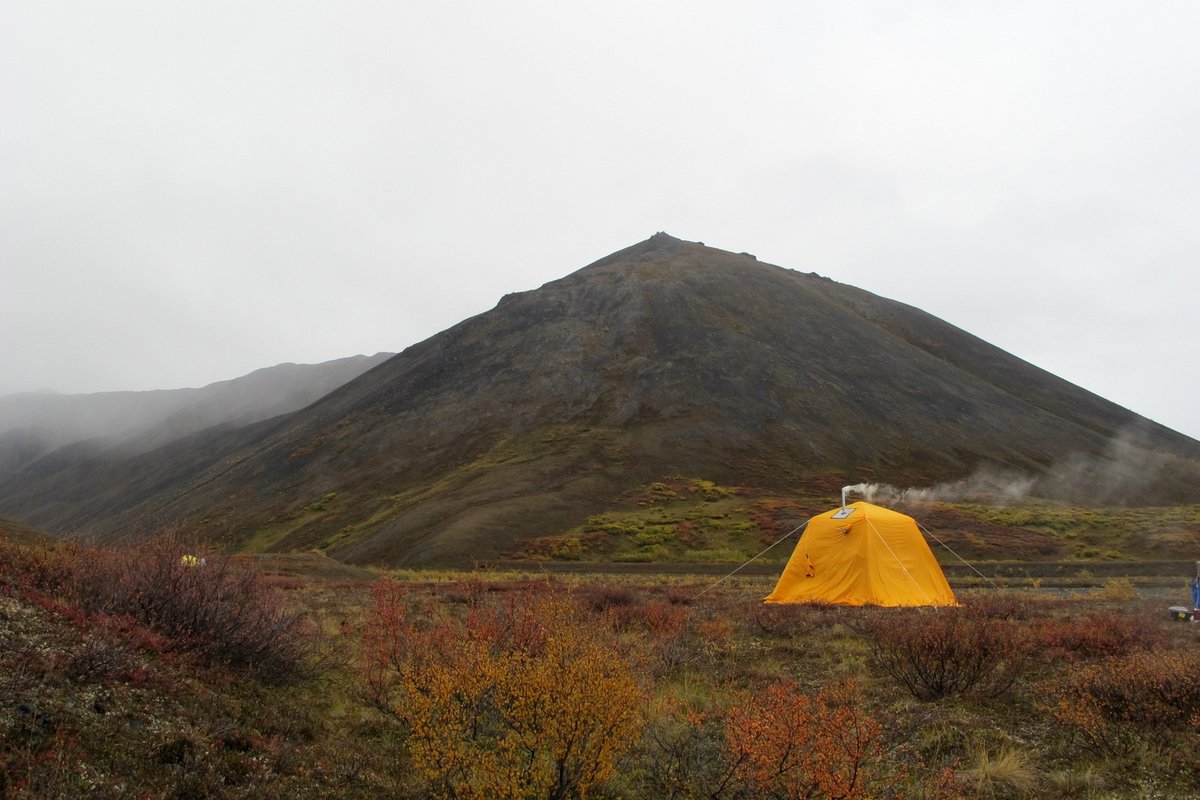
Shoulder season rewards preparation
Late spring and early fall can deliver perfect hiking days and surprisingly sharp nights. The shoulder season checklist is less about exotic gear and more about respecting temperature swings, shorter daylight and wetter storms. Use this alongside first car camping checklist and layering for camping. For deeper cold, see cold-weather car camping.
Forecast the swing, not only the high
Look at overnight lows, wind and precipitation, not only the afternoon high. A mild day with a near-freezing night needs a real sleep system and a warm layer at dinner. Mountain forecasts can diverge from the town you drove through; check elevation-specific information when available. Have a bailout hotel or earlier departure plan if a surprise hard freeze arrives.
Clothing checklist
- Moisture-managing base layer
- Insulating midlayer (fleece or puffy)
- Wind/rain shell
- Warm hat and gloves even if the afternoon feels mild
- Extra dry socks for camp
- Sleep clothes that stay dry (not the same sweaty hiking shirt)
Cotton as a primary hiking layer remains a poor choice when nights are cold and weather turns. Change into dry camp clothes before you cool off after the hike.
Sleep, shelter and light
Match bag temperature rating to the low with a personal margin—ratings are lab methods, not promises. See sleeping bag temperature ratings and sleeping pad R-values. Shoulder season is when summer pads feel cold. Confirm tent suitability for wind and rain; stake and guy out—review pitching a tent in wind and tent ventilation and condensation. Days are shorter: start earlier, turn around sooner, and pack a headlamp as required. If night walking becomes likely, read night hiking with a headlamp.
Kitchen, water and site habits
Cooler nights keep food cold longer outdoors, but sunlit cars still warm coolers—see packing a cooler for multi-day trips. Bring fuel margin for wind. Secure food storage earlier as wildlife patterns shift. Check fire restrictions. Hot drinks after sunset help morale. Car campers may want an extra blanket and a lantern (choosing a camping lantern). Backpackers may want dedicated sleep socks and gloves that still work guy lines.
Checklist summary
Clothing: base, mid, shell, hat, gloves, dry camp socks. Sleep: bag + pad suited to the low, dry sleep clothes. Light: headlamp + spare power. Shelter: stakes, guylines, condensation plan. Kitchen: stove, fuel margin, cooler plan. Safety: navigation, weather bailout, first aid.
Common mistakes and bottom line
Do not pack only for the afternoon photo, skip gloves in October, or bring a summer-only pad onto cold ground. Shoulder season camping is honest forecasts, layered clothing, sleep margin and earlier time discipline. First-timers picking places should also read choosing a campground for first-timers.
Extra practical notes
Rehearse key steps on a low-stakes outing before you need them remotely. Write down what failed and adjust the kit at home. Teach partners the same rules so nobody digs blindly through shared gear in the rain. When manufacturer instructions or land-manager rules are stricter than general advice, follow the stricter requirement. After each trip, dry gear, recharge lights, replace consumables and update your written checklist while memory is fresh. A short debrief with anyone who camped with you catches issues you personally did not notice, such as a sticky zipper someone else fought quietly or a cooler that warmed because drinks and food shared one lid all weekend.
Extra practical notes
Rehearse key steps on a low-stakes outing before you need them remotely. Write down what failed and adjust the kit at home. Teach partners the same rules so nobody digs blindly through shared gear in the rain. When manufacturer instructions or land-manager rules are stricter than general advice, follow the stricter requirement. After each trip, dry gear, recharge lights, replace consumables and update your written checklist while memory is fresh. A short debrief with anyone who camped with you catches issues you personally did not notice, such as a sticky zipper someone else fought quietly or a cooler that warmed because drinks and food shared one lid all weekend.
Extra practical notes
Rehearse key steps on a low-stakes outing before you need them remotely. Write down what failed and adjust the kit at home. Teach partners the same rules so nobody digs blindly through shared gear in the rain. When manufacturer instructions or land-manager rules are stricter than general advice, follow the stricter requirement. After each trip, dry gear, recharge lights, replace consumables and update your written checklist while memory is fresh. A short debrief with anyone who camped with you catches issues you personally did not notice, such as a sticky zipper someone else fought quietly or a cooler that warmed because drinks and food shared one lid all weekend.
Extra practical notes
Rehearse key steps on a low-stakes outing before you need them remotely. Write down what failed and adjust the kit at home. Teach partners the same rules so nobody digs blindly through shared gear in the rain. When manufacturer instructions or land-manager rules are stricter than general advice, follow the stricter requirement. After each trip, dry gear, recharge lights, replace consumables and update your written checklist while memory is fresh. A short debrief with anyone who camped with you catches issues you personally did not notice, such as a sticky zipper someone else fought quietly or a cooler that warmed because drinks and food shared one lid all weekend.
Extra practical notes
Rehearse key steps on a low-stakes outing before you need them remotely. Write down what failed and adjust the kit at home. Teach partners the same rules so nobody digs blindly through shared gear in the rain. When manufacturer instructions or land-manager rules are stricter than general advice, follow the stricter requirement. After each trip, dry gear, recharge lights, replace consumables and update your written checklist while memory is fresh. A short debrief with anyone who camped with you catches issues you personally did not notice, such as a sticky zipper someone else fought quietly or a cooler that warmed because drinks and food shared one lid all weekend.
Filter backpacks by spec → Compare up to 3 →
Related guides
- How to Layer Clothing for Camping
- First Car-Camping Trip Checklist
- Cold-Weather Car Camping
- Sleeping Bag Temperature Ratings Explained
- Packing a Cooler for Multi-Day Trips
General guidance from CampTier, based on manufacturer instructions and common outdoor practice. We don’t claim hands-on testing. Always follow your gear maker’s care and safety instructions. See our safety notes.