
Camping in a yurt or cabin for the first time
What to expect when you book a campground yurt or camping cabin: what is usually provided, what to bring, booking tips, common rules on cooking, pets and heaters, staying warm and safe, food storage, keeping the space clean and using a yurt or cabin as a step toward tent camping.
By the CampTier team · Updated 2026-10-15 · About 5 min read
Why try a yurt or cabin
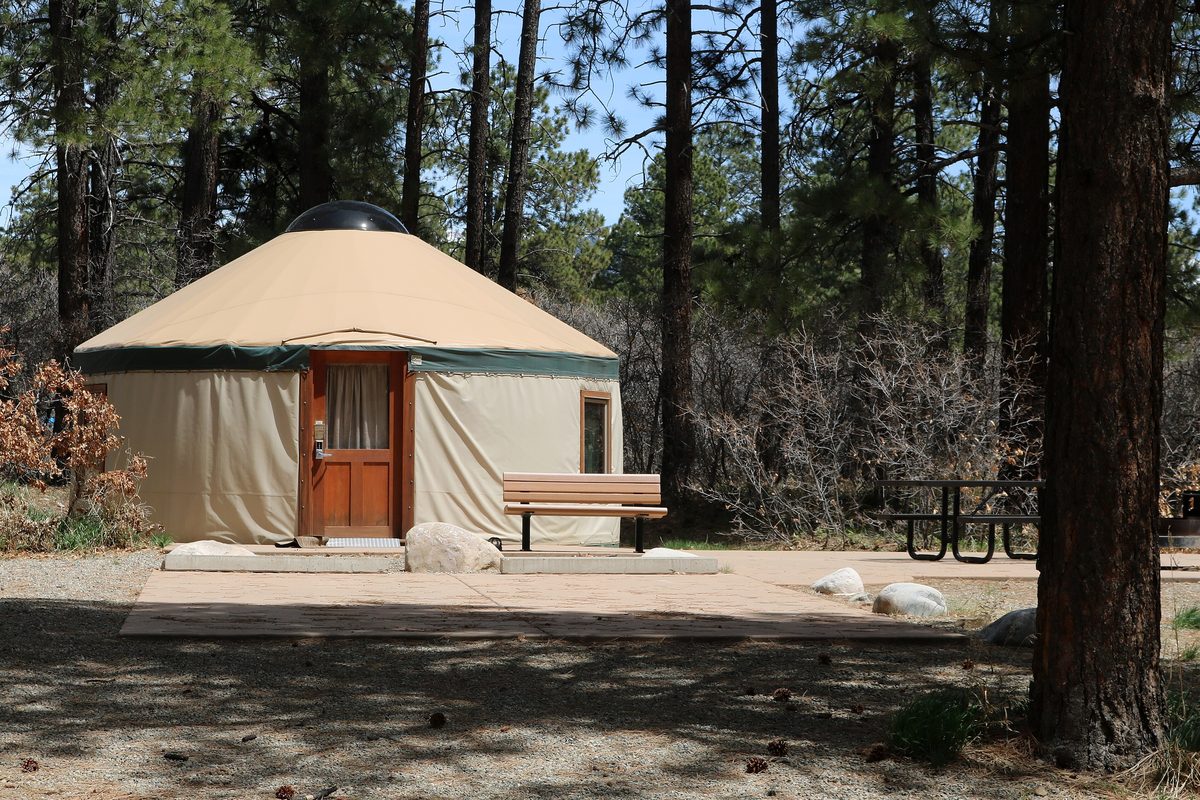
Many state parks, national forests and private campgrounds rent yurts and simple camping cabins alongside regular tent sites. They are a great middle ground between a tent and a hotel. You still wake up in the woods, cook outdoors and sit around a fire ring, but you sleep under a solid roof, off the ground and out of the rain. That makes them popular with first-time campers, families with young children, people who find sleeping on the ground hard and anyone camping in the cooler shoulder seasons.
This guide covers what to expect, what to pack and how to make the most of a first stay. Amenities and rules vary a lot between parks and even between units in the same campground, so always read the listing and the park's rules before you go.
What a yurt or camping cabin usually includes
A yurt is a round, tent-like structure with a wooden frame and a fabric or canvas cover, often set on a wooden deck. A camping cabin is a small, simple building, usually one room. Typical features include:
- Beds or bunks with mattresses, but usually no bedding
- A small table and chairs, sometimes a futon or bench
- Lighting and sometimes electrical outlets
- A heater in some units, which may be electric or another type
- An outdoor picnic table and fire ring, much like a regular campsite
Many do not have running water, bathrooms or kitchens inside. Guests use the campground's shared restrooms and showers. Some "deluxe" cabins have kitchens and bathrooms, so check exactly what your unit includes.
Booking tips
Yurts and cabins tend to be popular and limited in number, so they often book up early, especially for summer weekends and holidays. Our guide to finding and booking a campsite covers reservation systems. When booking, check:
- How many people the unit sleeps and how the beds are arranged
- Whether pets are allowed. Many units do not allow pets, or only in certain units.
- Accessibility features, such as ramps or accessible units, if you need them
- Check-in and check-out times and any key or code pickup process
- Cancellation rules and fees
- Distance to restrooms and parking, which matters more with small children or late-night trips
Shoulder-season and weekday stays are often easier to book. See choosing a campground for first-timers for what to look for.
What to bring
Pack much as you would for car camping, minus the tent. Start with our first car camping checklist and adjust:
- Bedding: sleeping bags or sheets and blankets, pillows and a mattress cover if you prefer
- Lighting: a headlamp for each person and a lantern for the table and paths to the restroom
- Cooking gear: a camp stove, fuel, cookware, utensils and a way to wash dishes
- A cooler with food and drinks, plus water containers if the tap is a walk away
- Slippers or camp shoes for indoors and late-night restroom trips
- Cleaning basics: a small broom or brush, trash bags and paper towels
- Layers and rain gear, since you will still be outdoors much of the time
- Extension cords or power strips only if the park allows them and you need them
Common rules to expect
Rules are there for safety and to protect the structures. Common ones include:
- No cooking inside. Many parks require all cooking on the outdoor table or grill.
- No smoking, candles or open flames inside the unit.
- No fuel-burning heaters or stoves indoors unless provided and approved by the park.
- Quiet hours and maximum occupancy limits.
- Pets only where permitted.
Fuel-burning appliances in enclosed spaces can produce carbon monoxide, which is colorless and odorless. Never bring a camp stove, grill or portable heater inside a yurt or cabin. See carbon monoxide safety with camp stoves and heaters.
Staying warm and comfortable
Even with a heater, yurts and simple cabins can be chilly, especially on cold nights in spring and fall. Fabric yurts lose heat faster than solid buildings. Bring sleeping bags rated for the conditions or extra blankets, warm layers to sleep in and a hat. In hot weather, use windows, vents and doors to move air through the space. See shoulder season camping checklist for cooler trips.
Food storage and wildlife
A roof does not keep wildlife out of your food. Follow the campground's food storage rules, which may require food lockers or keeping food in your vehicle. Do not leave food, coolers or trash on the deck overnight, and keep the unit's door closed. See keeping small animals out of camp food.
Camping with kids in a yurt or cabin
Yurts and cabins are a gentle introduction to camping for young children. Beds and walls make bedtime easier, and a dry space helps on rainy days. Check bunk heights and railings, bring night lights or a dim lantern and plan restroom trips before bed. Our guides to camping with babies and toddlers and kid-friendly camping activities have more ideas.
Rainy-day and evening plans
One of the best things about a yurt or cabin is having somewhere dry to wait out a storm. Pack cards, board games, books or a small craft kit, and plan a few short walks you can squeeze in between showers. Hang wet jackets on the porch or near the door rather than across the beds, and keep muddy boots on a mat by the entrance so the floor and bedding stay clean. A small tarp over the picnic table can keep the outdoor kitchen usable in light rain; see setting up a camp tarp.
Leaving it clean
Most parks expect you to leave the unit as you found it. Sweep the floor, wipe the table, pack out trash and recycling and check under beds for forgotten items. Report anything broken. Leaving a unit clean helps keep cleaning fees low and keeps these rentals available for everyone.
A stepping stone to tent camping
A yurt or cabin stay is a good way to learn camp cooking, campfire routines and campground life before adding a tent. Many families mix the two, using a cabin for cold shoulder-season weekends and tent sites in summer. When you are ready, our guide to how to set up a tent covers the next step.
Bottom line
Campground yurts and cabins offer a roof, beds and a dry space while keeping the outdoor fun of camping. Book early, read exactly what your unit includes, bring bedding, lighting and cooking gear, cook outside and never use fuel-burning appliances indoors. Store food carefully, leave the space clean and enjoy an easier introduction to camping.
Related guides
- Accessible camping and hiking: planning trips with limited mobility
- Choosing a Campground for First-Timers
- How to Find and Book a Campsite
- First Car-Camping Trip Checklist
- Camping with babies and toddlers: sleep, safety and packing
General guidance from CampTier, based on manufacturer instructions and common outdoor practice. We don’t claim hands-on testing. Always follow your gear maker’s care and safety instructions. See our safety notes.