
Carbon monoxide safety with camp stoves, heaters and grills
How to avoid carbon monoxide poisoning when camping: why fuel-burning stoves, heaters, grills, lanterns and generators should never be used inside tents, campers or cars, symptoms to know, CO alarms, safer ways to stay warm and what to do in an emergency.
By the CampTier team · Updated 2026-10-15 · About 5 min read
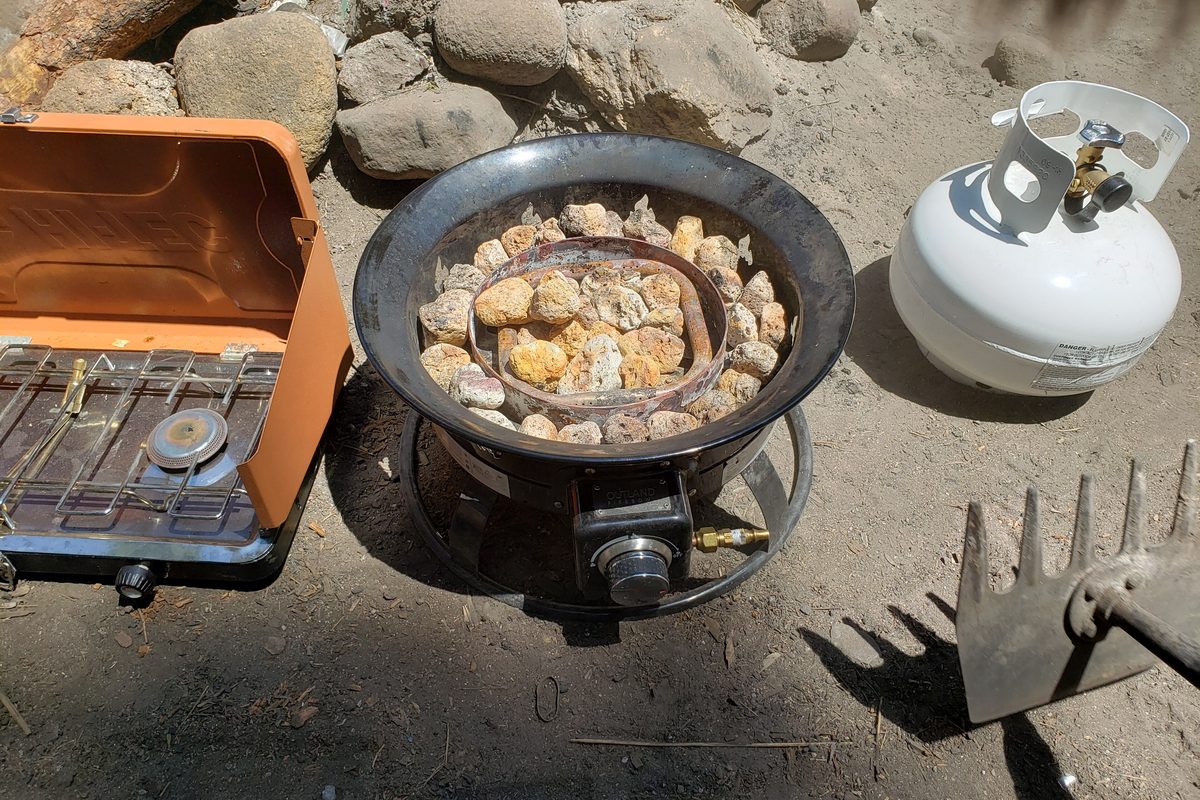
A quiet risk at camp
Carbon monoxide (CO) is a gas you cannot see or smell. It is produced whenever fuel burns, including propane, butane, white gas, charcoal, wood, gasoline and diesel. Outdoors, it disperses quickly. In a small, enclosed space such as a tent, camper van, car or cabin, it can build up to dangerous levels without any warning. The CDC notes that people who are sleeping or have been drinking alcohol can die from CO poisoning before they notice symptoms.
Most camping CO incidents happen on cold or rainy nights, when someone brings a stove, heater or grill inside to cook or keep warm. This guide explains the main rules, how to recognize symptoms and how to stay warm safely instead.
The core rule
The CDC advises never using a generator, charcoal grill, camp stove or other gasoline-, propane-, natural gas- or charcoal-burning device inside a home, basement, garage, camper or tent. That includes:
- Cooking on a camp stove inside a closed tent
- Bringing a grill or bucket of hot coals into a tent or vehicle to warm it up
- Running a portable heater that burns fuel inside a tent unless the heater and tent makers both explicitly allow it, and even then following every instruction
- Running a generator near tent doors, camper windows or vents
- Using fuel-burning lanterns inside a tent
Charcoal deserves a special mention. Coals that look burned down still produce CO, and a grill that is "just cooling off" inside a tent can be deadly.
Stoves and vestibules
Many tent makers warn against cooking inside a tent or in its vestibule, both because of fire risk and because CO and fumes collect under the fly. The safest habit is to cook outside, away from tent fabric, in a spot protected from wind. In bad weather, a tarp shelter with open sides gives you cover while letting air move freely. Our guide to setting up a camp tarp covers practical pitches.
When you use a stove:
- Set it on a stable, level surface.
- Keep a clear space around it and keep fuel canisters away from heat.
- Turn it off as soon as you finish cooking.
- Never leave it running unattended.
See camp stoves and fuel for more on stove types and storage.
Heaters
Portable propane heaters are popular for cold-weather camping, and some are marketed as suitable for indoor use. Even these burn oxygen and release combustion products, and they bring fire and burn risks into a space full of flammable fabric and sleeping bags. If you choose to use any heater:
- Read and follow every instruction from the heater maker, including ventilation requirements and approved spaces.
- Check what your tent or camper maker says about heaters.
- Use a battery-powered CO alarm in the same space.
- Never run a fuel-burning heater while everyone is asleep unless the maker explicitly allows it and you have a working CO alarm.
- Keep the heater well clear of walls, bedding and clothing.
Many experienced campers simply avoid heaters in tents and rely on a warmer sleep system instead.
Vehicles and campers
Sleeping in a car or camper van brings its own CO risks:
- Do not idle the engine for heat while sleeping. Exhaust can leak into the cabin, and a tailpipe blocked by snow or mud can push exhaust inside.
- Never run a generator close to your vehicle, especially near windows, doors or vents.
- Use a CO alarm in campers and RVs, test it before each trip and replace it according to the maker's schedule. Many RVs come with one built in.
Our guide to sleeping in your car at a campground has more on staying warm and ventilated in a vehicle.
Symptoms to know
The CDC lists common symptoms of CO poisoning as headache, dizziness, weakness, upset stomach, vomiting, chest pain and confusion. These are often described as flu-like, which is why CO poisoning can be missed. Warning signs at camp include:
- Several people or pets in the same space feeling unwell at the same time
- Symptoms that improve when you go outside and return when you go back in
- Symptoms that start after a stove, heater, grill or generator was used nearby
What to do in an emergency
If you suspect CO poisoning:
- Get everyone into fresh air right away.
- Turn off the fuel-burning device if you can do so safely.
- Call emergency services (911 in the United States).
- Do not go back into the space until it has been aired out and the cause is fixed.
Anyone who has been exposed should get medical advice, even if they start to feel better outside. Know how you would call for help from your campsite, and note where the nearest phone signal is if coverage is weak.
Safer ways to stay warm
Most cold nights can be handled without any heat source in the tent:
- Sleep system first. An insulated pad with a good R-value and a bag rated below the expected low make the biggest difference. See sleep system layering for variable nights.
- Dry layers. Change into dry base layers, a warm hat and dry socks before bed.
- Eat and drink. A warm drink and a snack before bed give your body fuel to stay warm.
- Warm water bottle. A sealed bottle rated for hot water, wrapped in a sock, can warm a sleeping bag. Keep it away from bare skin.
- Ventilate. Cracking vents reduces condensation, which keeps insulation drier and warmer. See tent ventilation and condensation.
Our cold-weather car camping guide covers more cold-night ideas.
Generators at the campground
If you or your neighbors use a generator, follow campground rules on generator hours and placement. Keep generators as far as practical from tents, open windows and vents, and point exhaust away from occupied spaces. Never run one inside a vehicle, tent, camper storage area or screened shelter.
A quick checklist
- Cook outside the tent, away from fabric
- No grills, coals or fuel-burning heaters in tents or cars while sleeping
- Battery-powered CO alarm in campers, RVs and any enclosed space with a heater
- Engine off while sleeping in a vehicle
- Generators well away from tents, windows and vents
- Know the symptoms and how to call for help
Bottom line
Carbon monoxide gives no warning, so the protection comes from habits. Burn fuel outside, keep stoves, grills, heaters and generators out of tents and vehicles, use a CO alarm in enclosed spaces and stay warm with a good sleep system instead. If anyone feels unwell after a fuel-burning device was used nearby, get to fresh air and call for help.
Related guides
- Camping in a yurt or cabin for the first time
- Camp Stoves and Fuel Basics
- Cold-Weather Car Camping
- Sleeping in your car at a campground: setup, ventilation and comfort
- Sleep system layering for variable nights
General guidance from CampTier, based on manufacturer instructions and common outdoor practice. We don’t claim hands-on testing. Always follow your gear maker’s care and safety instructions. See our safety notes.