
Accessible camping and hiking: planning trips with limited mobility
Practical planning for camping and hiking with a disability or limited mobility: researching accessible campsites and restrooms, what accessible features to ask about, the free America the Beautiful Access Pass, choosing trails by surface, grade and length, gear that makes camp easier, service animals, medications and power, and planning for safety.
By the CampTier team · Updated 2026-10-15 · About 5 min read
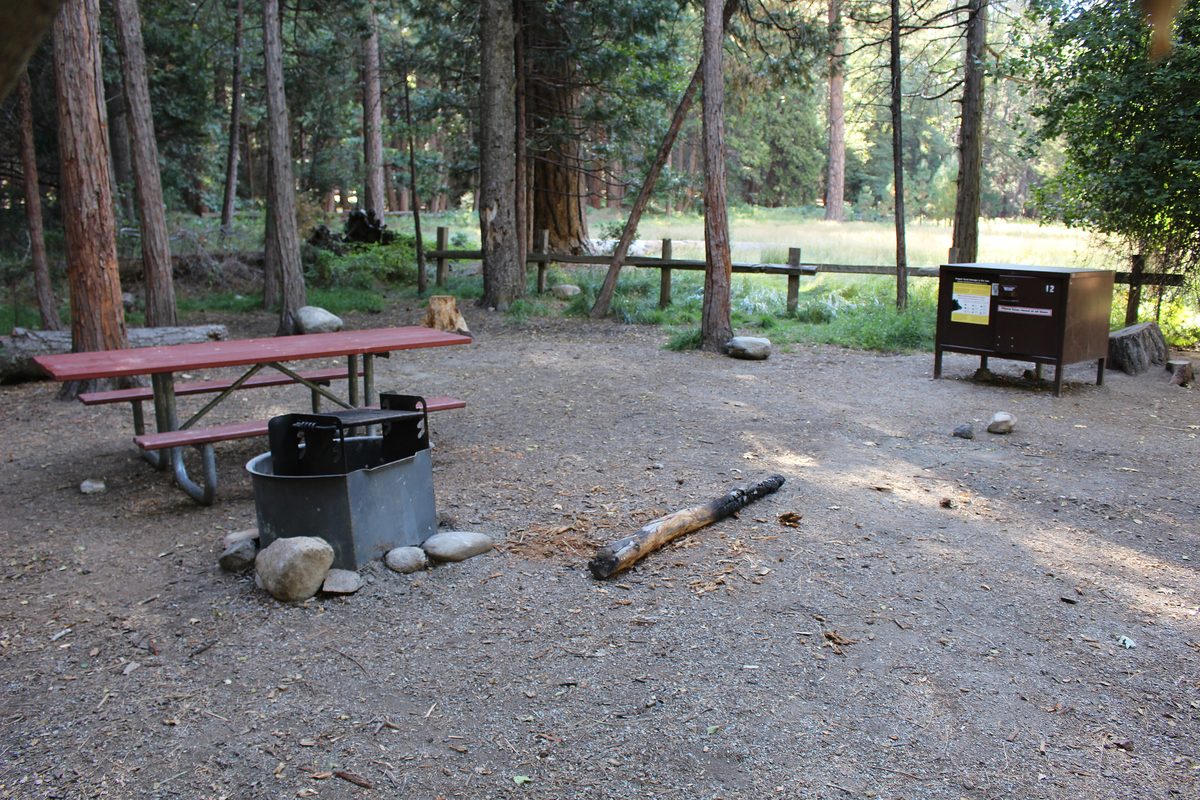
Camping is for everyone
People with disabilities, chronic conditions and limited mobility camp and hike all the time, and many parks and campgrounds have worked to make facilities more usable. Still, accessibility varies widely from place to place, and the details matter. A campsite listed as "accessible" may suit one person well and not work at all for another. A little extra research and planning can make the difference between a frustrating trip and a great one.
This guide covers how to research accessible campsites and trails, what to ask about, passes that can help and gear that can make camp easier. It is general guidance. Everyone's needs are different, and you are the expert on yours. If you have medical questions about a trip, such as altitude, heat or medications, talk with your healthcare provider.
Research campgrounds before you book
Start with the park, forest or campground website. Many have an accessibility page listing accessible campsites, restrooms, showers, picnic areas and trails. Reservation listings often note whether a site is designated accessible, and some include photos.
Because "accessible" can mean different things, look for specifics or call and ask:
- Surface and slope of the parking pad, tent pad and path to the restroom. Is it paved, compacted gravel, dirt or sand?
- Distance to restrooms and water, and whether the route is level.
- Restroom features, such as grab bars, roll-in showers, door width and whether toilets are vault or flush.
- Picnic table design, such as an extended end that allows a wheelchair to pull up.
- Raised fire rings or grills, which are easier to use from a seated position.
- Electric hookups, if you rely on powered equipment.
- Tent pad height and edging, which can make getting in and out of a tent easier or harder.
- Accessible routes to lakes, viewpoints or visitor centers.
Photos and recent reviews from other campers can help, but conditions change, so confirm details with staff when it matters. See finding and booking a campsite and choosing a campground for first-timers.
The America the Beautiful Access Pass
For US citizens and permanent residents with a permanent disability, the America the Beautiful Access Pass is free. According to the National Park Service, America the Beautiful passes cover entrance fees and standard amenity (day-use) fees at sites managed by the National Park Service, US Fish and Wildlife Service, US Forest Service, Bureau of Land Management, Bureau of Reclamation and US Army Corps of Engineers. Passholders must show valid photo ID with the pass.
Some federal sites also offer discounts on certain camping and other amenity fees for passholders, but not all fees are covered, and concessionaire-run campgrounds may have their own policies. Check the pass details and the specific campground's fee information before you go. Many state park systems have their own disability passes or discounts, so check those too.
Consider alternatives to a tent
Tents are not the only way to camp. Depending on your needs, consider:
- Cabins and yurts, which often have beds off the ground and solid floors; see camping in a yurt or cabin for the first time.
- Camping from a vehicle or van, which keeps everything close.
- A cot or raised bed inside a large tent, which can be easier to get in and out of than a pad on the ground; see choosing a camping cot.
- Tents with tall doors and standing room, which make moving around easier.
Choosing trails
Many parks list accessible or easy trails, sometimes with details about surface, width, grade and length. When choosing a trail, look for:
- Surface type, such as boardwalk, pavement, compacted gravel or natural dirt
- Grade and cross-slope, including the steepest section, not just the average
- Width and obstacles, such as roots, rocks, steps or narrow bridges
- Length and turnaround points, including benches or rest stops
- Restrooms and parking at the trailhead
Weather changes trail conditions. Rain can turn compacted surfaces soft and muddy, and heat can make even short trails tiring. Ask rangers about current conditions, and plan shorter outings than you think you need at first. Trekking poles help many hikers with balance; see trekking poles basics.
Gear that can make camp easier
Small changes to your setup can reduce strain:
- A sturdy camp chair at a comfortable height with armrests for pushing up; see camp chairs and tables.
- A table at a usable height for cooking and eating.
- Good lighting, including a lantern for the campsite and a headlamp to keep hands free.
- Ground mats or outdoor rugs to firm up soft or uneven ground around the tent door.
- Easy-open storage for medications and daily essentials.
- A portable power station if you need to charge medical or mobility devices, where allowed; see camp batteries and charging.
Practice setting up new gear at home before the trip.
Plan for nighttime
Getting around camp after dark is harder for everyone, and more so on uneven ground. Walk the route from your tent to the restroom in daylight and note any roots, rocks or slopes. Mark the path with small solar lights or reflective markers where allowed, keep a headlamp and any mobility aids within reach of where you sleep and consider a portable toilet for the tent or vehicle if night trips are difficult. See our guide to campsite lighting for ideas.
Medications, power and medical devices
Plan for the essentials:
- Bring extra medication in case your trip runs longer than planned, and keep it in its original containers.
- Keep heat-sensitive medications cool following the label or pharmacist's advice.
- Plan power for devices such as CPAP machines, powered wheelchairs or other equipment. Electric sites, a power station or a vehicle charger may help. Check campground rules on generators.
- Bring copies of important medical information.
Service animals
Service animals are generally allowed in more places than pets, but rules can vary across federal, state and private land. Check the park's service animal policy before your trip, and plan for the animal's water, shade and rest, especially on hot days.
Plan for safety
- Share your plans with someone at home, including where you are staying and when you will be back.
- Check phone coverage at the campground and trailheads.
- Know where the nearest medical care is.
- Plan for weather extremes, since heat and cold can affect some conditions more.
- Camp with others if that helps you feel more confident.
Bottom line
Accessible camping starts with research. Check campground and trail details, call to confirm specifics, use the free Access Pass if you are eligible and choose sleeping arrangements, gear and trails that fit your needs. Plan for medication, power and safety, and start with short, simple trips.
Related guides
- Choosing a Campground for First-Timers
- How to Find and Book a Campsite
- Choosing a camping cot: height, size, comfort and cold-weather tips
- How to Choose Camp Chairs and Tables
- Camp Batteries and Charging: Keep Your Lights Running
General guidance from CampTier, based on manufacturer instructions and common outdoor practice. We don’t claim hands-on testing. Always follow your gear maker’s care and safety instructions. See our safety notes.