
How to Choose Camp Chairs and Tables
Folding chairs, loveseats and packable tables for car camping: comfort features that matter, packed size, weight ratings and setup tips.
By the CampTier team · Updated 2026-10-15 · About 4 min read
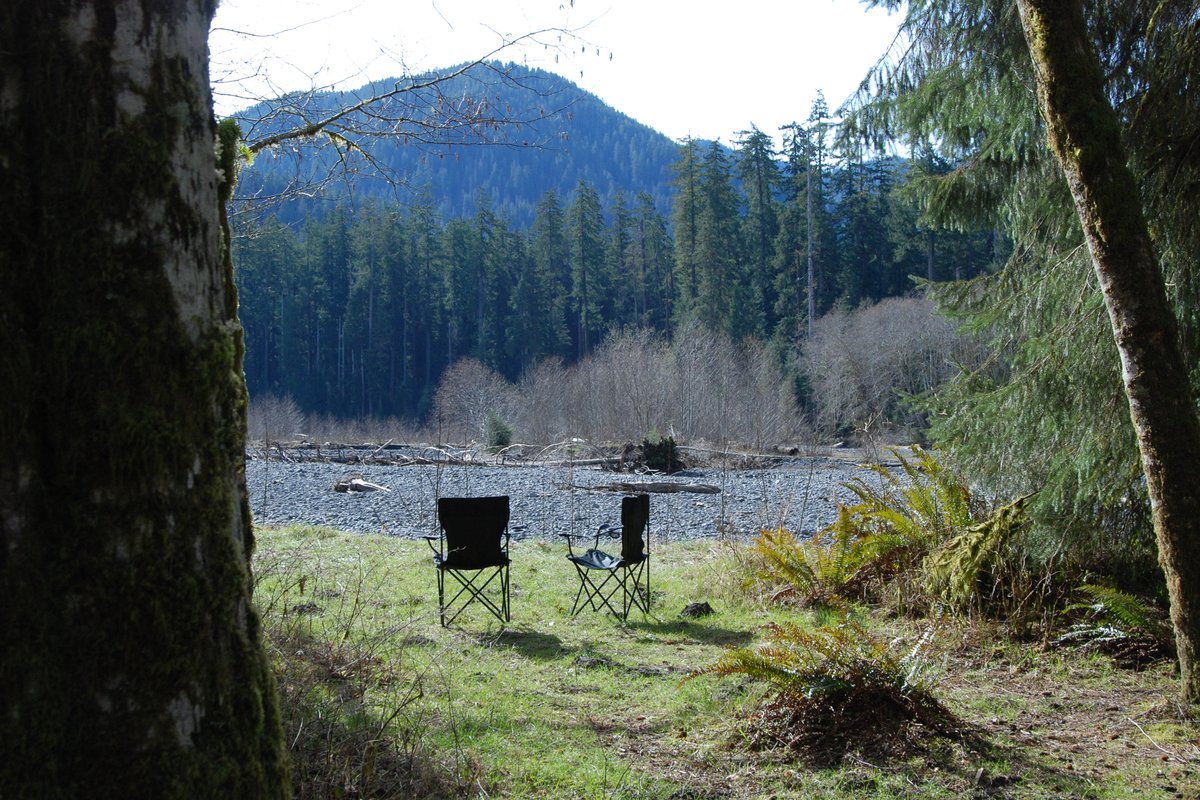
Why seating is not a luxury at camp
A dry place to sit changes the whole trip. Without chairs, people perch on cooler lids, wet logs and uneven ground. A simple folding chair and a small table turn a campsite into a place you can cook, eat and linger. Browse published specs for chairs and tables on our furniture page.
Camp chair styles
Compact folding chairs
These collapse into a stick-like package or a flat panel and usually come with a carry bag. They are light enough to walk to a walk-in site and cheap enough that every adult can have one. Seat height varies; shorter chairs are stable but harder to stand up from.
Armchair / “king” style chairs
Wider seats, higher backs, armrests and sometimes cup holders. They pack larger and weigh more, which is fine when the car is twenty feet away. Look at the published weight capacity if adults in your group are heavier—exceeding it bends frames.
Loveseats and double chairs
Two seats sharing a frame. Fun for couples, awkward on uneven ground, and slower to dry after rain. Measure your trunk before you commit.
Stools and low sit pads
Minimal weight, minimal back support. Useful as extras for guests, not as the only seat for a long weekend.
Features that actually matter
- Seat height and back angle: try before you buy when you can. A chair that feels fine for five minutes can hurt after an hour.
- Packed size: compare the packed dimensions to your trunk and roof box, not just the weight on the tag.
- Frame material: steel is tough and heavy; aluminum is lighter; both rust or corrode if stored wet.
- Fabric: look for tight weave and reinforced stress points at the corners. Mesh backs breathe in heat.
- Feet: wide feet sink less in soft ground; some chairs include optional “snow baskets” or discs.
- Side table / cup holder: convenient, but anything that sticks out catches wind and siblings.
Camp tables
A table keeps food and stoves off the ground and gives you a flat cutting surface when the picnic table is sticky, claimed by neighbors or absent (common at dispersed sites). Options include:
- Roll-top or fold-in-half tables that pack flat in the car
- Small personal tables for a stove or a stove-and-cutting-board pair
- Built-in picnic tables at many developed sites—inspect for cleanliness and stability, then still bring a small table if you cook away from the pad
Check the published weight capacity and whether the maker rates the table for a stove. Keep fuel stoves centered and attended. Never leave a running stove on a wobbly surface.
Setup tips
- Unfold chairs on the flattest ground you can find; a slight lean becomes a tip-over when someone sits hard.
- Keep chairs out of the fire ring’s spark zone. Embers melt mesh.
- At night or in rain, fold chairs fabric-in if overnight dew is heavy, or stash them in the vestibule / car.
- Teach kids not to stand on seats or hang on the backrest.
Comfort upgrades that are not more chairs
- A lightweight blanket for cool evenings
- A sit pad for rocky overlooks on day hikes
- A lantern hung above the table, not staring into eyes—see campsite lighting
Care and packing
Shake crumbs out before packing. Dry fabric completely before long storage to avoid mildew. Loosen straps on compressed carry bags so frames are not stressed for months. Wipe grit out of hinges.
Common mistakes
- Bringing two “king” chairs and no table, then chopping onions on a cooler
- Ignoring weight ratings
- Leaving chairs unfolded in a windstorm as sails
- Buying the smallest backpacking stool for grandparents who need height to stand
Bottom line
For car camping, give each adult a stable chair they can sit in for an hour, plus one table for cooking if the site table is unreliable. Spend on comfort you will use every evening, not on matching colors. Pack size and weight capacity beat marketing photos.
Matching chairs to the people who sit in them
Older campers and anyone with knee issues often need a higher seat and firm armrests to stand up safely. Kids do fine with lighter chairs but will climb on anything—set a rule that chairs are for sitting. If your group includes both, pack two “tall” chairs and two compact ones rather than four identical low stools.
Wind, rain and overnight storage
Empty chairs blow into fire rings and lakes. Fold them when you leave the site for a hike, or at least lay them on their sides. In heavy rain, fabric pools water; tip seats forward or fold them. A quick wipe in the morning beats mildew later.
Picnic-table realities
Campground tables are often sticky with sap, short one bench, or occupied by the neighboring site’s card game. A personal table lets you cook at your own pad without hovering. Cover the public table with a cheap plastic cloth you can throw away or wash, and leave the wood cleaner than you found it.
Budget upgrade path
If you can only buy one comfort item this season, buy chairs. Soft coolers and fancy lanterns do not rest your back after a hike. Add a table the season you start cooking real meals instead of sandwiches. Compare published packed sizes so the upgrade still fits beside the tent bag.
Repair and end of life
Bent aluminum legs can sometimes be reshaped carefully; cracked welds are retirement. Torn mesh can be patched with gear repair tape as a temporary fix. Recycle metal frames where your community accepts them rather than landfilling a chair that only needs a new rivet you cannot source.
Quick buying checklist
- Weight capacity covers your heaviest adult with margin
- Packed length fits the trunk with the cooler
- Seat height is comfortable to stand from
- Feet will not act like spears on soft ground
- Fabric is dryable and replaceable enough for your climate
Filter chairs & tables by spec → Compare up to 3 →
Related guides
- How to Choose and Set Up a Campsite
- First Car-Camping Trip Checklist
- Camp Kitchen Basics: Stoves, Cooking and Cleanup
- Campsite Etiquette and Leave No Trace
General guidance from CampTier, based on manufacturer instructions and common outdoor practice. We don’t claim hands-on testing. Always follow your gear maker’s care and safety instructions. See our safety notes.