
Fishing on a camping trip: a beginner's guide
How to add fishing to a camping trip as a beginner: licences and park rules, simple gear to start with, picking a spot near camp, fishing with kids, catch-and-release handling, cleaning and storing fish safely in bear and critter country, preventing invasive species with clean, drain, dry and leaving no trace.
By the CampTier team · Updated 2026-10-15 · About 5 min read
Why fishing and camping go well together
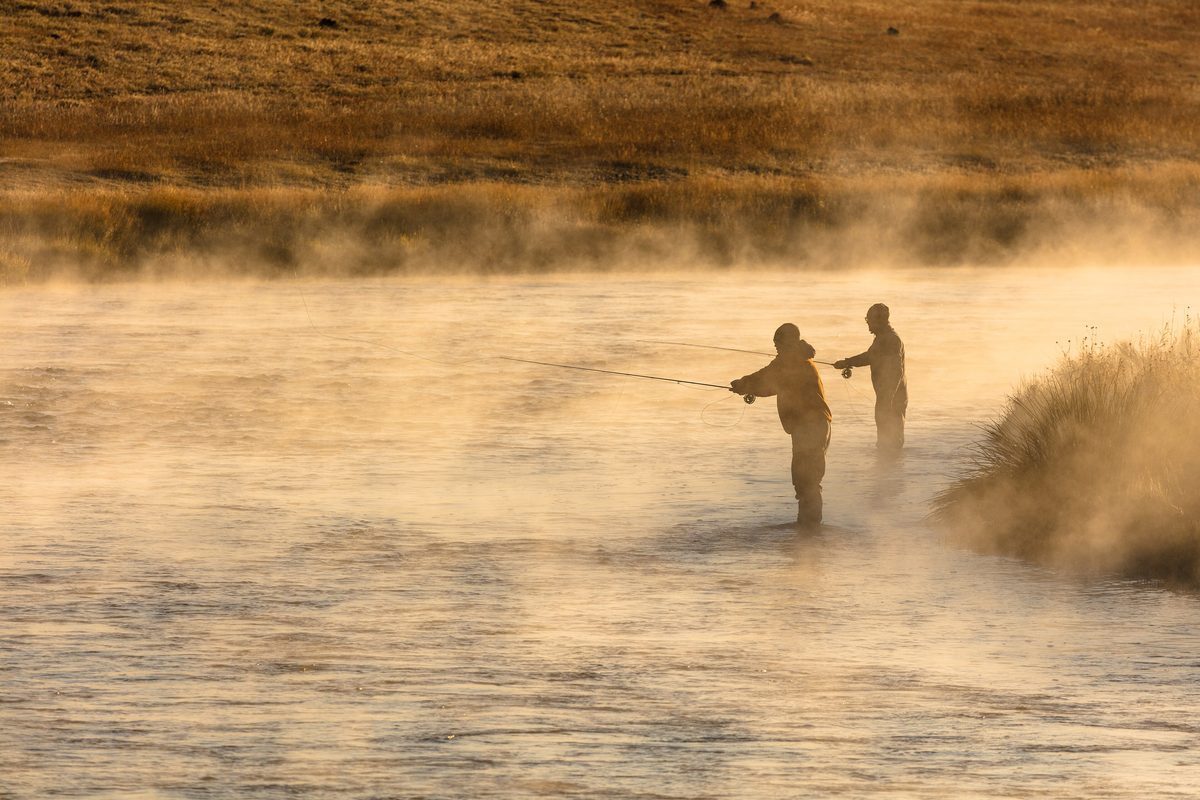
Many campgrounds sit beside lakes, rivers and streams, which makes fishing a natural add-on to a camping trip. It is a quiet way to spend an early morning, a good activity for kids and a chance to learn more about the water around you. You do not need expensive gear or years of experience to start. You do need to know the rules where you are fishing and a few basics about handling fish and keeping camp clean.
This guide covers getting started with fishing on a camping trip. It is general guidance; fishing rules vary by state, park and even by stretch of water, so always check the current regulations for the exact place you plan to fish.
Licences, permits and regulations
In the United States, fishing is regulated mostly by state wildlife agencies, and most anglers above a certain age need a state fishing licence. Rules can include seasons, daily limits, size limits, which species you can keep and what bait and hooks are allowed.
Federal lands add their own layer. The National Park Service explains that fishing in national parks generally follows NPS general regulations plus the regulations of the state the park is in, and individual parks can add their own rules. Federal regulations (36 CFR 2.3) list several national parks where state fishing licences are not required, including Yellowstone, Glacier, Olympic and Mount Rainier. That does not mean fishing is unregulated there. Yellowstone, for example, requires its own park fishing permit for anglers 16 and older, allows only lead-free artificial lures or flies, requires barbless hooks and makes all native fish catch-and-release.
Before your trip:
- Find the state wildlife agency's regulations for the waters near your campground, and buy a licence if one is required. Many states sell them online.
- Check park or forest rules if you are on public land. Look for a fishing page on the park website or ask at the visitor center.
- Look for special rules on specific lakes or streams, such as catch-and-release sections or closed areas.
- Carry your licence or permit while fishing.
Many states also hold free fishing days when a licence is not required, which can be a low-cost way to try fishing. Check your state's dates.
Simple gear for beginners
For a first trip, keep it simple:
- A basic spinning rod and reel, which is generally easier for beginners to cast than other setups. Many come pre-spooled with line.
- A small tackle box with a few hooks in different sizes, sinkers, bobbers and a handful of simple lures. Check that your choices are allowed where you fish.
- Pliers or a hook remover for unhooking fish.
- Line clippers or small scissors.
- A small towel for wet hands.
- Polarized sunglasses and a hat, which help you see into the water and protect your eyes from stray hooks.
Pack tackle in a small box or pouch so hooks do not end up loose in your camp gear. If you are buying new, a local tackle shop near the campground can often tell you what works on that water and what the rules are.
Choosing a spot near camp
Look for public access points, fishing piers and stretches of shoreline where others fish. Stay off private property unless you have permission, and keep away from designated swimming beaches and boat launches; NPS regulations prohibit fishing within designated swimming beaches and public boat docks in park areas unless otherwise designated. Give other anglers plenty of space.
Be careful on wet rocks, steep banks and slippery docks. If you wade, choose slow, shallow water, wear footwear with grip and avoid wading alone. Anyone fishing from a boat, canoe or kayak should wear a life jacket. See our guide to swimming safely at lakes and rivers near camp for water hazards worth knowing.
Fishing with kids
Fishing can be a highlight of a family camping trip if you keep expectations realistic:
- Choose a spot with easy access and somewhere to sit.
- Keep sessions short and bring snacks.
- Use a simple setup with a bobber so kids can see bites.
- Teach hook safety, including looking behind before casting.
- Celebrate small wins, like a good cast or spotting fish.
- Check rules for kids, since many places have different licence ages.
Kids near water need close supervision and, in many cases, a life jacket. See kid-friendly camping activities and gear for more ideas.
Catch and release with care
If you plan to release fish, or are required to, handle them gently:
- Wet your hands before touching a fish.
- Keep the fish in or near the water as much as possible.
- Use pliers to remove the hook quickly. If a hook is deeply set, cutting the line close to the hook is often better than pulling.
- Support the fish's body rather than squeezing it.
- Release it gently into calm water facing upstream in a river.
NPS regulations require that fish which do not meet size or species rules, or that you choose not to keep, are carefully and immediately returned to the water they came from.
Keeping fish safely at camp
If you keep fish where it is allowed, keep them cold. Put them on ice in a cooler as soon as possible and keep raw fish sealed and separate from other food. See cooler packing.
Fish smell strongly, which attracts bears, raccoons and other animals. Follow local food storage rules carefully:
- Clean fish away from your tent and cooking area, where rules allow.
- Dispose of fish waste as the park or campground directs. Some places ask you to pack it out, others to use trash bins and some to dispose of it in deep, flowing water. Do not leave it on the shore or in the fire ring.
- Store fish and scented items in bear boxes, bear canisters or your vehicle where permitted. See bear bag and food storage.
- Wash hands, knives and cutting boards promptly.
Clean, drain, dry
Aquatic invasive species can hitch a ride on boots, waders, boats and fishing gear. The US Fish and Wildlife Service asks anglers to clean, drain and dry gear after every waterbody:
- Clean off plants, animals and mud from gear, boots and boats.
- Drain water from boats, bait buckets and livewells before leaving the area.
- Dry everything before using it in different water.
USFWS also advises disposing of unused bait in the trash rather than releasing it into the water. Some parks and states add their own rules; Yellowstone, for example, prohibits felt-soled wading footgear.
Leave no trace while fishing
Pick up all fishing line, hooks and bait containers, since discarded line can tangle wildlife. Stay on established paths to the water, avoid trampling shoreline plants and keep noise down early in the morning when other campers are still asleep. See campsite etiquette and leave no trace.
Bottom line
Check state and park fishing rules, buy a licence if needed, start with a simple spinning setup and pick an easy spot near camp. Handle released fish gently, keep any fish you keep cold and stored safely away from wildlife, clean, drain and dry your gear between waters and leave the shoreline cleaner than you found it.
Related guides
- Camping with babies and toddlers: sleep, safety and packing
- Camping With Kids: Activities and Gear That Help
- Food Storage at Camp: Bear Boxes, Canisters and Hangs
- How to Pack a Cooler for Camping
- Packing for canoe and kayak camping trips
General guidance from CampTier, based on manufacturer instructions and common outdoor practice. We don’t claim hands-on testing. Always follow your gear maker’s care and safety instructions. See our safety notes.