
Packing for canoe and kayak camping trips
How to pack gear for paddle-in camping: waterproofing with dry bags and barrels, loading a canoe or kayak for balance, portage planning, safety gear on the water and campsite choices near shore.
By the CampTier team · Updated 2026-10-15 · About 5 min read
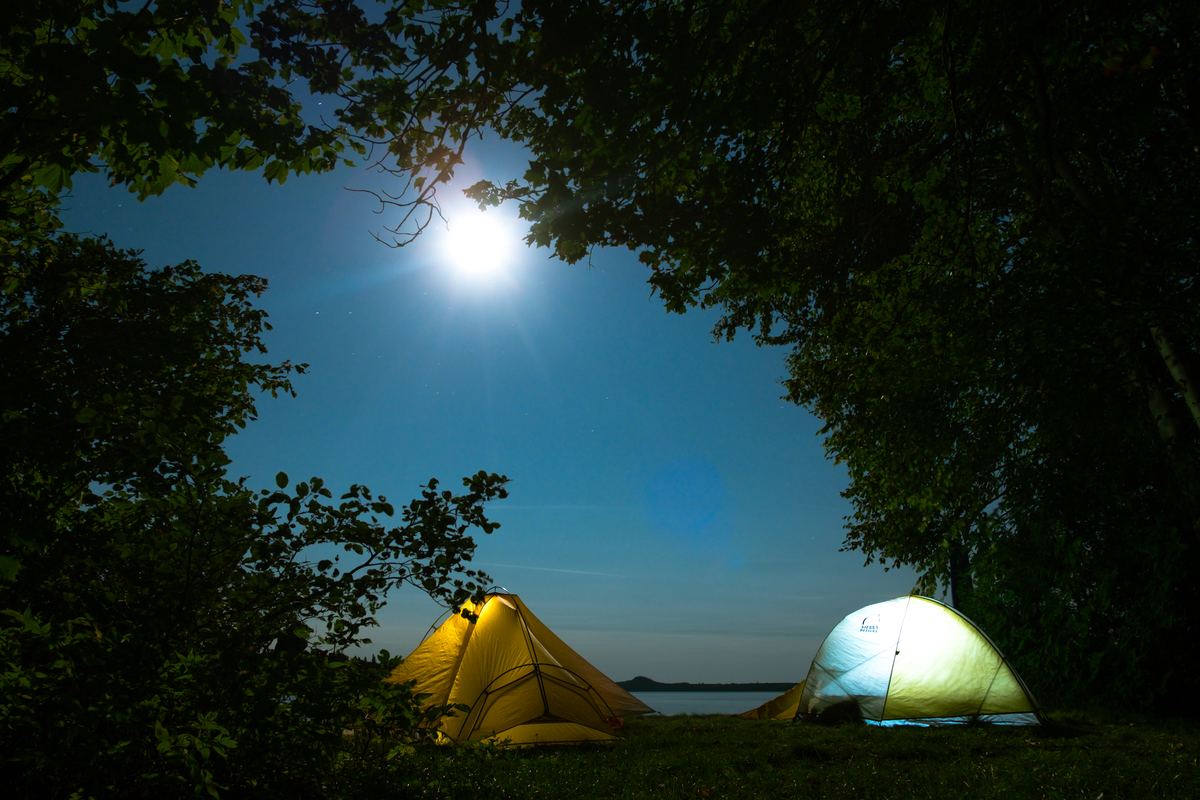
Paddling changes the packing rules
Canoe and kayak camping lets you reach lakeshore and river sites that are hard to get to on foot, and a boat carries more weight than a backpack. But everything has to survive splashes, rain, a possible capsize and, on many routes, portages where you carry the boat and gear over land between waters. The goals are different from backpacking: waterproof everything, keep the boat balanced, and pack in a few big units that are easy to carry. Basic dry bag use is in stuff sacks and dry bags.
Waterproofing systems
- Dry bags: roll-top bags that seal when rolled at least three times and clipped. Use several medium bags rather than one giant one so a leak doesn't soak everything.
- Canoe packs and portage packs: large packs designed to hold dry bags and carry over portages.
- Barrels: hard plastic barrels with screw or clamp lids, carried in a harness. They are waterproof, crush-proof and popular for food, and in some areas also reduce smells reaching animals, though they are not bear canisters unless certified.
- Kayak hatches are rarely fully waterproof. Use dry bags inside them.
Double-bag the most important items: sleeping bag, warm layer, phone and electronics, first aid kit and fire starters.
What to keep within reach
In the boat, keep a small day bag or deck bag accessible with:
- Water bottle and snacks
- Sun protection, see sun protection for campers
- Rain jacket
- Map in a waterproof case
- Phone in a waterproof pouch
- Whistle, small first aid kit, knife
Loading a canoe
- Keep weight low and centered. Heavy items like food barrels and water go on the bottom near the middle.
- Balance side to side and front to back. A canoe should sit level or very slightly lower at the stern (back) in most conditions. In wind, adjust: slightly bow-heavy in a headwind can help, stern-heavy in a tailwind.
- Secure gear. Clip or tie packs to a thwart with a short line so they stay with the boat in a capsize but can be released. Avoid long loose lines that could entangle a swimmer.
- Don't overload. Check the boat's capacity and leave enough freeboard (the height of the side above the water) for waves.
Loading a kayak
Kayaks have limited space and narrow hatches. Pack small, flexible dry bags that squeeze into the ends. Heavy items go close to the cockpit and low; light, bulky items such as sleeping bags go in the ends. Keep the deck clear apart from a map and essentials, since deck loads raise the center of gravity and catch wind.
Portages
If your route includes portages:
- Pack into as few carry units as practical. Many paddlers aim to carry everything across in one or two trips.
- Use packs with good shoulder straps and hip belts.
- Learn to lift and carry the canoe safely, ideally with a yoke and a partner for the lift.
- Stash loose items like paddles and fishing rods together so nothing is left at the landing.
Check portage lengths and conditions on route maps. A 2-kilometer portage with four trips back and forth becomes 10 kilometers of walking.
Safety on the water
- Wear a properly fitted life jacket (PFD) at all times on the water.
- Know the water temperature. Cold water is dangerous even on warm days; dress for immersion and plan to stay near shore.
- Watch the wind. Big open lakes get rough quickly, especially in the afternoon. Paddle early and be ready to wait on shore.
- Know how to self-rescue or assist a capsized partner. Practice in calm, warm water first.
- Leave a trip plan with someone, including your route and expected return.
Campsite choices
Many paddle routes use designated sites. Choose a landing that is easy to get in and out of, and pull boats well up from the water and tie them down, since wind and rising water can carry them away overnight. Pitch tents on durable surfaces away from the water's edge; see choosing a durable-surface campsite.
Food storage and coolers
Paddlers can carry more food than backpackers, including coolers on shorter trips. Pack the cooler for the trip length and keep it shaded in the boat; see cooler packing. Follow local food storage rules at night, which may include hanging food or using approved containers; see bear bag and food storage.
Drinking water
Surrounded by water, it's tempting to drink straight from the lake. Treat all water with a filter, chemical treatment or boiling; see water filtration. Gravity filters are convenient at camp because you can fill a bag from the lake and let it filter while you do other chores.
After the trip
Open every dry bag at home and dry contents and bags fully. Rinse the boat, paddles and gear if you paddled in salt water. Check seams of dry bags for leaks by filling with a little water. More drying advice is in drying and airing gear after rain.
Clothing for paddling days
Paddling clothing should handle getting wet. Quick-drying synthetic or wool layers, a windproof shell and a warm hat cover most conditions. Cotton is a poor choice because it stays wet and cold. On cold water, paddlers often wear wetsuits or drysuits; plan for what you would need if you went in, not just what feels comfortable in the sun. Keep a full dry set of clothes sealed for camp and never paddle in it. Footwear that drains and grips on wet rocks, such as water shoes or old trail runners, works better than boots for launching and landing; see choosing camp shoes.
A simple packing order
Lay out gear in three groups before loading: boat gear (PFDs, paddles, spare paddle, bailer, throw line), camp gear (tent, sleep kit, kitchen, food) and personal day kit. Load camp gear into dry bags and packs first, then the boat, then clip in the day kit last so it sits on top and within reach.
Filter backpacks by spec → Compare up to 3 →
Related guides
- Stuff sacks and dry bags for camping
- Packing for wet-weather weekends
- How to Pack a Cooler for Camping
- Food Storage at Camp: Bear Boxes, Canisters and Hangs
- How much water to carry on hikes and overnights
General guidance from CampTier, based on manufacturer instructions and common outdoor practice. We don’t claim hands-on testing. Always follow your gear maker’s care and safety instructions. See our safety notes.