
Choosing a durable-surface campsite
How to pick a campsite that protects vegetation and water—durable surfaces, setbacks and practical Leave No Trace habits for frontcountry and backcountry nights.
By the CampTier team · Updated 2026-10-15 · About 3 min read
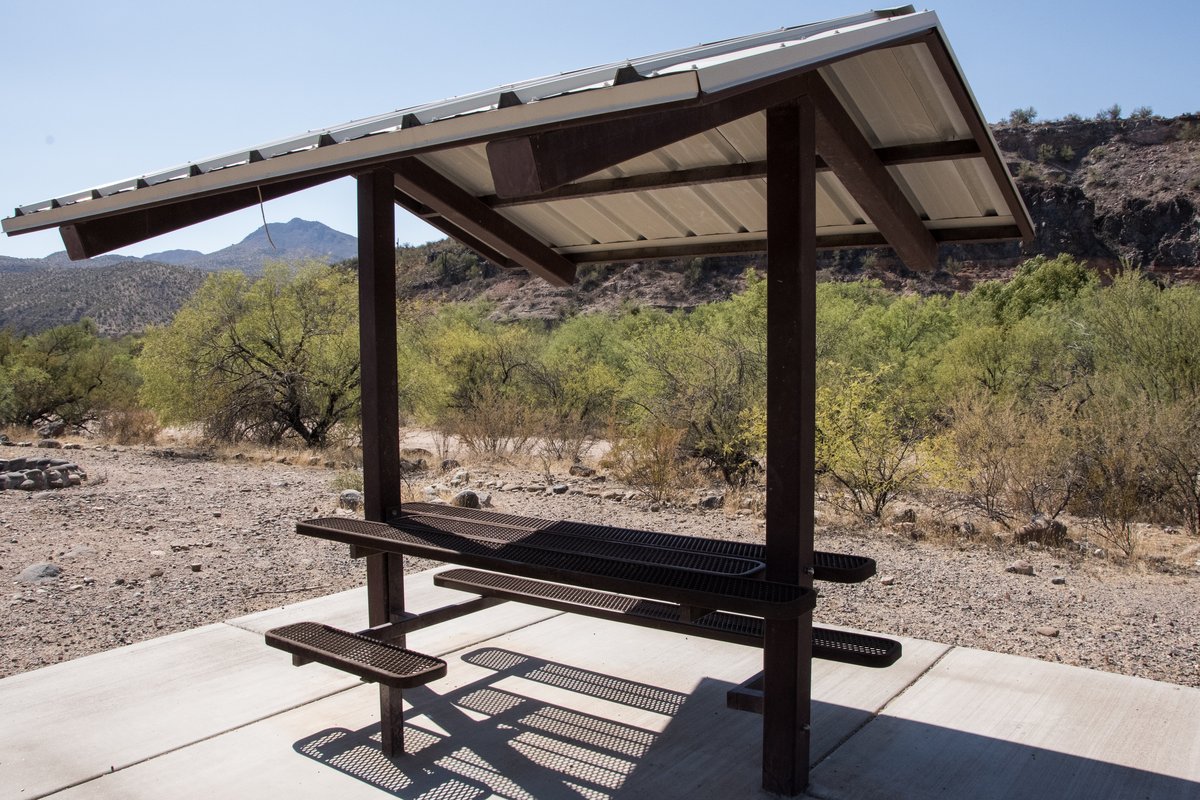
Durable surfaces are the first filter
Rock, gravel, dry grass and established pads beat fragile meadows and riverbanks. Follow local rules and Leave No Trace etiquette. Where reservation systems assign pads, use them—see finding and booking and first-timer campgrounds.
Water setbacks
Camp the required distance from lakes and streams so banks stay intact and soap never reaches water. Carry wash water to a sump area per local guidance.
Safety overlaps
Avoid dry washes in storm season, widowmaker branches and exposed ridges in lightning. Fire restrictions override nostalgia—safe campfires only where allowed.
Food storage location
A beautiful pad still fails if there is no legal place to store smellables. Plan bear bag or locker access before dark.
Quiet and neighbors
In frontcountry, respect quiet hours and keep light spill low. In backcountry, choose sites that do not advertise your camp across a lake.
Breaking camp
Pick up microtrash, naturalize disturbed duff where appropriate and leave the pad better than you found it.
Bottom line
Pick established or hard surfaces, honor water setbacks and food rules, and let the site’s limits design your night—not the other way around.
Meadows and wildflowers
Green does not mean durable. Trampled alpine plants recover slowly. Walk the long way on rock to reach an established pad rather than cutting a new scar.
Winter and shoulder exceptions
Snow cover can protect plants if you camp on deep snow and leave no dug trenches that strip vegetation underneath—know local winter rules. Bare frozen ground still counts as fragile when thaw turns it to mud.
Group size effects
Six tents need more durable area than two. Split into smaller clusters on separate pads when required. Concentrated impact is often better than sprawling new sites—follow land-manager guidance either way.
Wildlife corridors
Avoid camping on obvious game trails and riparian pinch points. Store food correctly so the site does not train animals—bear bag and food storage.
Frontcountry overlays
Reserved pads still deserve soft-footprint habits: stay on gravel, keep vehicles on spurs and leash rules exist for reasons. Quiet hours protect wildlife and people.
Decision checklist
- Established pad or hard surface?
- Water setback met?
- Legal fire option or stove only?
- Food storage workable?
- Exit route if weather turns?
Micro-site habits
Even on a legal pad, move rocks instead of trenching vegetation for “leveling.” Fill depressions with care and restore when you leave if you shifted natural materials where allowed. Avoid carving new terraces into hillsides.
Human waste plans
Know whether the area requires packing out waste, using privies or digging catholes in the right soil and distance from water. Site choice that ignores bathroom logistics creates impact later.
Noise carrying over water
Lakes amplify sound. Choose sites and quiet hours that respect other parties and wildlife. Speakers on shorelines are a common complaint for good reason.
Seasonal closures
Wildlife breeding areas and fire closures override convenience. Check current alerts before you fall in love with a satellite image of a meadow.
When the perfect site is occupied
Have a plan B pad. Crowding into a fragile overflow creates scars. Hike farther or reverse to a prior durable option rather than inventing a new site in moss.
Social and legal overlays
Some beautiful durable surfaces are closed for restoration. Signs and ranger instructions override your judgment about impact. When in doubt, ask or choose a busier established site rather than inventing a new one.
Kitchen and sleep separation
Cooking on the durable pad and sleeping slightly apart can reduce food smells in sleep gear where rules allow multiple spots. Never pioneer a new sleep site in soft vegetation to chase a view. Keep the total footprint tight.
Stock and wildlife pressure
In grazing areas, avoid camping on manure-filled flats that look “open.” Seek gravel bars or established hunter pads where legal. Hang or locker food so you are not teaching animals that tents equal calories.
Exit paths
Choose sites with a clear path to the road or trail that does not require thrashing new brush tunnels in the dark. Storm exits should not create a second impact scar.
Related guides
- Campsite Etiquette and Leave No Trace
- How to Find and Book a Campsite
- Choosing a Campground for First-Timers
- Food Storage at Camp: Bear Boxes, Canisters and Hangs
- Building a Safe Campfire (and Putting It Out Cold)
General guidance from CampTier, based on manufacturer instructions and common outdoor practice. We don’t claim hands-on testing. Always follow your gear maker’s care and safety instructions. See our safety notes.