
Packing for wet-weather weekends
How to pack a weekend camping or backpacking kit when rain is likely—wet-dry separation, shell layers, sleep protection and camp chores that keep gear usable.
By the CampTier team · Updated 2026-10-15 · About 5 min read
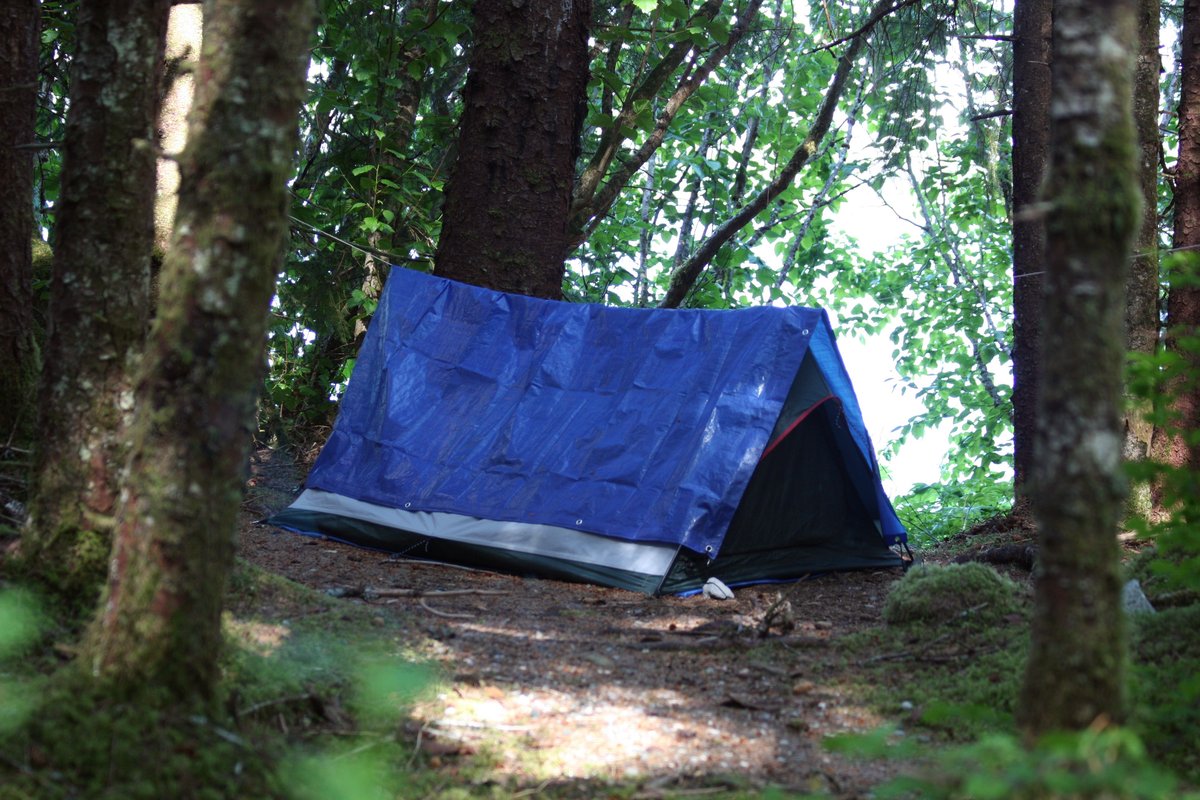
Rain changes packing order, not just packing weight
A sunny packing list fails in steady rain because wet shells contaminate dry sleep gear and cotton base layers stay cold. Start from weekend backpacking packing list habits, then add wet-weather rules: protect loft first, keep a dry change reachable, and plan tent pitching under cover when you can—see pitching a tent in rain.
Wet-dry zones in the pack
Treat the pack as three zones. Bottom or lined mid-pack: sleeping bag and spare insulation in a dry bag or liner (see stuff sacks and dry bags). Middle: food and cook kit where they will not soak the sleep kit if a bottle leaks. Top and lid: rain shell, pack cover, snacks and headlamp. Softshells that will get wet on the hike can live in their own sack so they do not drip on tomorrow’s shirt.
Shells, layers and cotton traps
A waterproof-breathable shell and a warm midlayer that still works when damp beat three cotton hoodies. Follow layering for camping and rain gear. Pack one truly dry base layer sealed for camp. Gloves that stay useful wet (or a spare pair) matter more than a fashion beanie that soaks through.
Footwear and camp shoes
Waterproof boots help on trail; they do not keep feet happy if you never dry socks. Pack spare socks in a dry sack. Simple camp shoes keep muddy boots out of the tent vestibule—pair with hiking sock habits so damp socks are changed before blisters bloom.
Shelter and site choices
Arrive with time to pitch before the heaviest band if forecasts allow. Site selection that sheds water beats the “flat mud puddle.” Review campsite etiquette and durable surfaces. A tarp vestibule or camp tarp gives cooking and gear-sorting space without inviting rain into the inner tent.
Kitchen and electronics in rain
Cook under cover when wind allows safe stove use. Keep fuel and lighters dry. Batteries hate cold wet pockets—see camp batteries. Phones live in a zip bag even inside the pack.
Checklist
- Sleep kit waterproofed
- Dry base layer sealed
- Shell + pack cover ready at the top
- Spare socks in a dry sack
- Extra pitch time or tarp plan
- Lighter and headlamp in a dry pocket
Bottom line
Pack wet weekends around loft protection and wet-dry zones, not around hoping the forecast is wrong.
Pack covers versus liner bags
A pack cover sheds rain hitting the exterior; a liner bag protects contents if the cover fails or water runs down the harness. Many wet-weekend hikers use both. Covers that do not fit leave the hip belt exposed—practice once in a driveway hose test if you have never sealed yours in wind.
Clothing dry-bag discipline
Label one sack “sleep dry” and refuse to open it until camp. A second sack holds “wet shells.” Mixing them once usually soaks the only dry shirt you own. Mesh sacks are for damp items that need air at camp, not for overnight rain storage.
Tent fly first routines
In steady rain, fly-first pitching (when your model allows) keeps the inner drier. Stake and guy as you go so a gust does not sail the fly into mud. Keep the packed inner in a vestibule or under the fly until the outer is stable—pair with your storm guyline prep habits.
Cooking without flooding the kitchen
A shallow tarp A-frame or ridgeline over the stove area keeps pots from filling with rain. Watch carbon monoxide and fire clearance—never cook in an unventilated tent. Stabilize the stove on a flat board so thin legs do not sink into mud.
Electronics and paper
Phones, power banks and paper permits live in zip bags even inside the pack. Condensation still forms when warm devices meet cold rain; wipe seals. Headlamps with locked switches avoid accidental drain in the lid pocket—see headlamp battery habits.
Exit strategies
If the forecast flips to unsafe thunderstorms or flooding washes, know the road out and the nearest indoor option. Pride is not a rain plan. Wet gear dries later; hypothermia timelines do not.
Field checklist add-ons
- Contractor bag as emergency pack liner
- Extra guyline cord
- Small sponge for vestibule puddles
- Dry sack for car seats on the drive home
- Note of where wet gear will dry at home overnight
Cotton, denim and other rain traps
Jeans and cotton hoodies feel fine at the trailhead and become cold sheets in steady rain. If you insist on bringing them, quarantine them in a wet sack and do not sleep in them. Synthetic or wool base layers that still insulate when damp earn their place; fashion layers can wait in the car for the dry drive home.
Sleeping pad and ground moisture
Even with a dry bag for the sleeping bag, a pad sitting in a puddle conducts cold. Use a footprint or groundsheet sized to the tent, stake so water sheds away and keep gear off the lower edge of the vestibule where runoff collects. Inflate pads inside the sheltered inner when possible so rain does not wet the top surface before you lie down.
Food that still works wet
Choose meals that need one boil and minimal stirring in wind. Pre-open snack packs into zip bags so you are not fighting wrappers with numb hands. Hot drinks boost morale; budget the fuel. Keep a small trash bag at the top of the pack so wet wrappers do not migrate into the sleep kit.
Group communication in rain
Agree on a hand signal or whistle for “pitch now” when wind noise kills conversation. Split tasks: one person clears the pad, one opens the fly, one stages dry bags under a tarp. Parallel work shortens the wet minutes.
Drive-home staging
Bring a cheap plastic bin or contractor bags for the trunk so soaked flies do not soak car carpet. Change into dry shoes before the long highway stretch. Hang what you can overnight the same day—tomorrow’s busy calendar is how mildew wins.
Filter backpacks by spec → Compare up to 3 →
Related guides
- Rain Gear for Camping
- Stuff sacks and dry bags for camping
- Weekend Backpacking Packing List
- How to Pitch a Tent in the Rain
- How to Layer Clothing for Camping
General guidance from CampTier, based on manufacturer instructions and common outdoor practice. We don’t claim hands-on testing. Always follow your gear maker’s care and safety instructions. See our safety notes.