
Headlamp battery and beam habits
How to manage headlamp modes, batteries and packing so you keep usable light for camp chores and night hiking without draining cells early.
By the CampTier team · Updated 2026-10-15 · About 4 min read
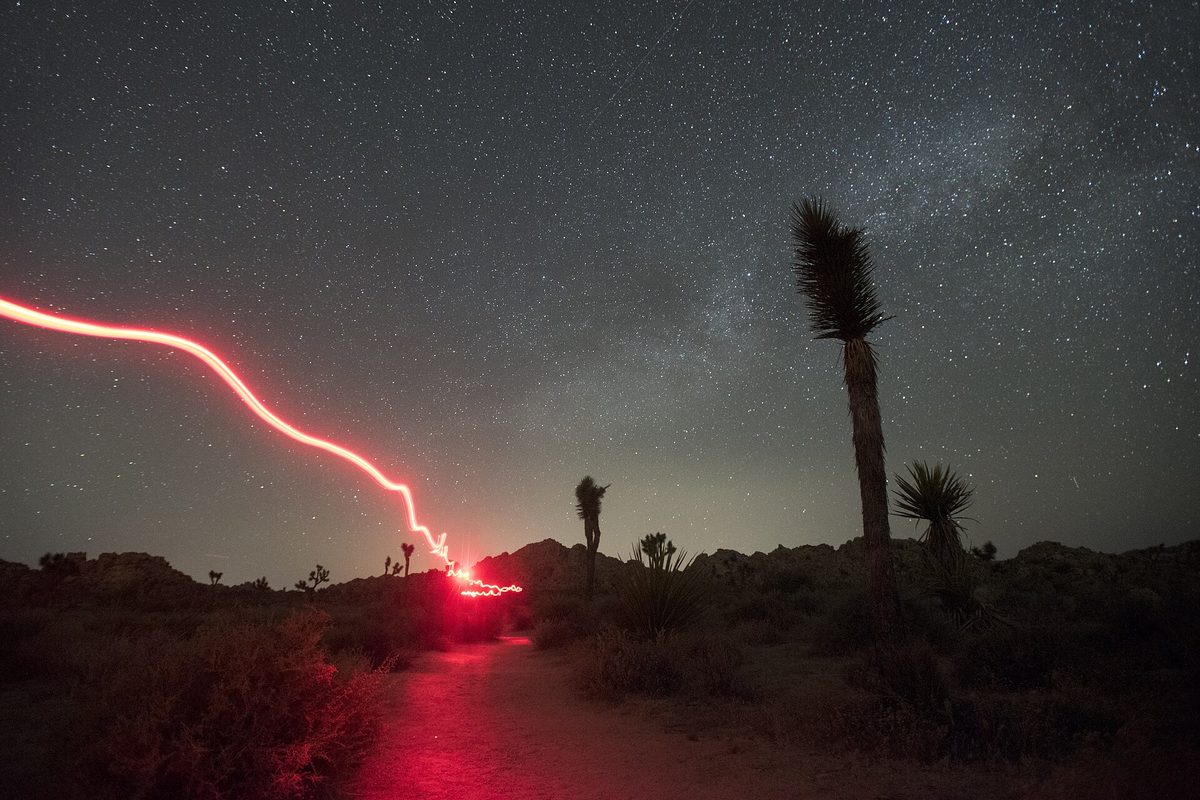
Modes exist so you stop using max all night
Flood for camp chores, spot for trail markers, red for night vision and not blinding tent mates. Learn your switch so gloves do not cycle to strobe by accident—see choosing a headlamp and night hiking.
Battery planning
Cold kills output. Keep spare cells in an inner pocket. Lithium primaries behave differently from NiMH and USB-rechargeable packs—follow the maker and pack a backup light. Align with camp batteries and charging.
Runtime honesty
Marketing lumens assume fresh cells and cool temperatures. Dim early on purpose so you still have light for the 2 a.m. bathroom walk. A lantern for camp (see campsite lighting plan) saves the headlamp for movement.
Packing and moisture
Store headlamps where switches cannot bump on. A locked mode or reversed cell in transit prevents dead packs. Condensation inside lenses needs gentle drying, not blasting heat.
Group etiquette
Do not scan faces. Announce before you turn beam toward a cooking person. Kids get supervised lights with simple interfaces.
Daypack side trips
Even “day” summits slip past sunset—pack the headlamp in the daypack, not left at camp.
Checklist
- Know dim/flood/red
- Spare cells warm
- Lock or protect the switch
- Backup light in shared kits
- Lantern for static camp tasks
Bottom line
Use the lowest beam that works, protect batteries from cold and bumps, and keep a backup so one dead lamp does not strand the walk to the toilet.
Switch literacy
Sit in a dark closet and practice mode changes until you can do them without looking. Note which sequence hits strobe—many people hit it at 2 a.m. by mistake and wake the whole site.
Spare cell packaging
Tape spare AAA/AA cells in pairs with polarity marked. USB power banks need their own cable staged with the light. Cold nights: sleep with spare cells in a sock inside the bag.
Red light culture
Use red for map checks inside shared tents and for astronomy-friendly camps. Bright white destroys night vision for everyone nearby—tie this to night hiking courtesy.
Mounting and bounce
A lamp that bounces on a loose strap annoys and wastes battery as you fiddle. Tighten the fit; use a pocket lantern for static cooking instead of nodding a headlamp into soup.
Failure drills
Once per season, run the lamp on medium until it dims so you learn the warning signs. Replace aging USB packs that swell or refuse charge.
Kids and loaner lamps
Give kids lower max output lamps and teach “point at the ground.” Collect lamps into a dry bag before bed so none gets left in the rain.
Trail versus camp beam philosophy
On trail, aim for enough light to read the next three steps, not to illuminate the ridge like a stadium. Excess brightness burns battery and ruins night vision. In camp, prefer lanterns for cooking and keep headlamps for hands-free tasks.
Mixing cell chemistries
Do not mix old and new cells in the same device. Do not mix brands casually if voltages differ. Rechargeables deserve a labeled charger bag so the only cable you need is not left at home.
Waterproof ratings realism
IP ratings help, but seals age. Rinse grit from threads and replace O-rings per maker guidance. A “waterproof” lamp that was left in a wet pack pocket all winter may fog—dry it open at home.
Signaling and emergencies
Know whether your lamp has an SOS strobe and whether you want it. Random strobes panic nearby campers. Whistles still matter when light fails.
Inventory cadence
At season start, test every lamp, discard swollen packs and buy spares before the Friday departure scramble. Put “headlamp check” on the same list as “fuel check.”
Shared basecamp charging
One USB hub and a schedule beat five people hunting one outlet at a picnic shelter. Label cables. Keep a non-USB backup lamp so a dead power bank does not darken the whole site.
Beam discipline around wildlife
Avoid spotlighting eyes for photos. Bright beams stress animals and train them to avoid or investigate camps. Use the minimum light that keeps people safe on the path.
Runtime logging
On a home night walk, run medium mode and note when brightness drops. Write that time on a tape label on the lamp. Marketing runtimes assume ideal cells; your label reflects your kit.
Red-light map work
Practice reading the paper map under red light at home so trail junctions are not your first attempt. Some people need a brief white flash to read fine contour numbers—cover the beam with a hand to shield teammates’ eyes.
Kid lamp policies
Collect lamps into a dry bag at “lights out” so none rolls into the vestibule puddle. Spare kid lamps use the same cell type as adult backups when possible to simplify spares.
Filter lighting by spec → Compare up to 3 →
Related guides
- How to Choose a Headlamp for Camping
- Night Hiking with a Headlamp
- Campsite Lighting: A Simple Plan for Safe, Comfortable Nights
- Camp Batteries and Charging: Keep Your Lights Running
- Packing a daypack for summit side trips
General guidance from CampTier, based on manufacturer instructions and common outdoor practice. We don’t claim hands-on testing. Always follow your gear maker’s care and safety instructions. See our safety notes.