
Storm guyline and tent prep
A practical pre-storm checklist for tents—guylines, stakes, site drainage and habits that reduce flapping and leaks without fake wind-tunnel claims.
By the CampTier team · Updated 2026-10-15 · About 4 min read
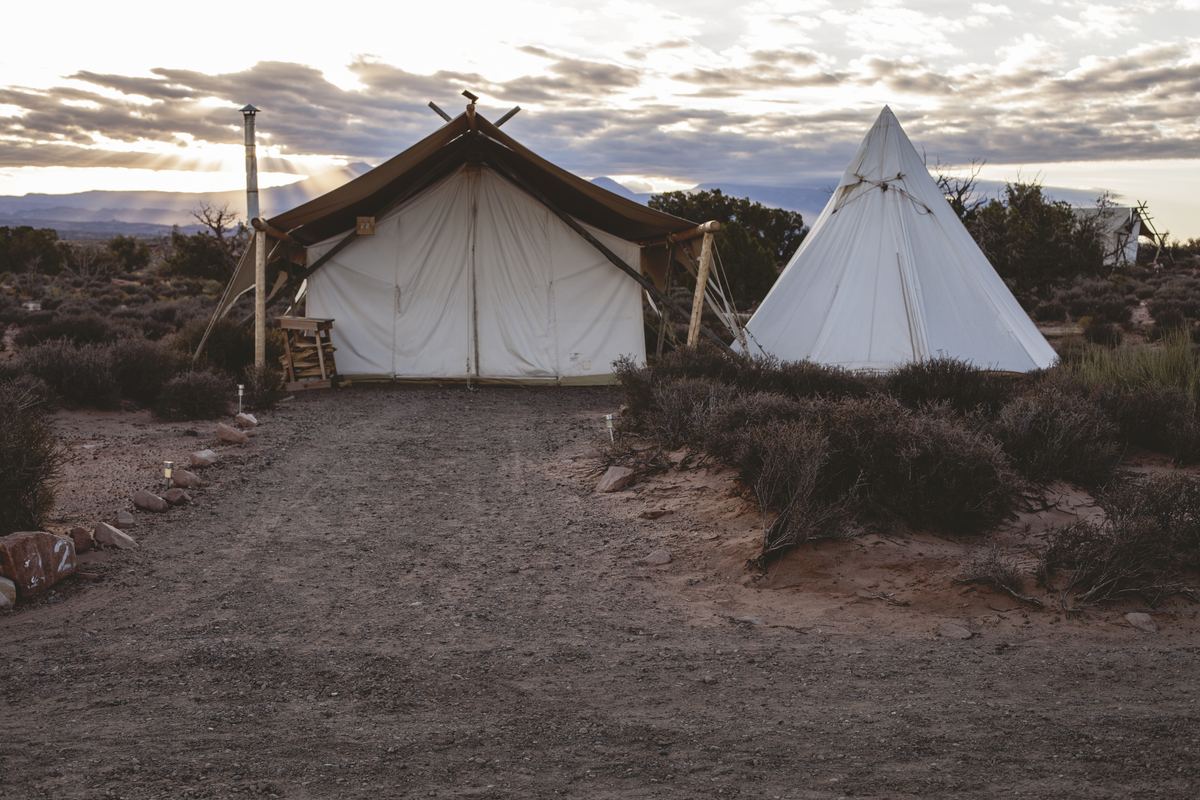
Prep beats heroics at midnight
When the forecast turns, tighten the system while you can still see. Combine pitching in wind, pitching in rain and guyline tensioning.
Site and orientation
Move off depressions that collect water. Face the lower-profile end into prevailing wind when the design allows. Avoid isolated tall trees in lightning—review thunderstorm safety and be willing to postpone exposed ridge camps.
Stakes and soil
Swap short skewer stakes for longer or deadman anchors in soft ground. Angle stakes so pull resists extraction. Carry a few extras—see tent stakes and guylines.
Guylines before the first big gust
Deploy every guy the maker intended. Bright cord reduces tripping. Retension after the fly wets out and stretches. Hardware tensioners help with gloves.
Inside organization
Move electronics and spare layers into dry bags. Keep boots in the vestibule on a mat. Know where the headlamp is without digging.
Mid-storm discipline
Do not exit into lightning for trivial reasons. If you must exit, keep a low profile and avoid metal poles as “safety”—follow land-manager and weather-service guidance, not campfire myths.
After the front
Loosen overtight lines if fabric was strained, dry the fly when sun returns and inspect seam tape. Store only when dry—clean and store tents.
Bottom line
Stake deep, guy everything, drain the site and retension when fabric stretches—storm nights reward boring prep.
Pre-storm 15-minute drill
1) Walk the perimeter and seat every stake. 2) Deploy unused guylines. 3) Clear vestibule clutter that blocks exits. 4) Move smellables to legal storage early. 5) Charge headlamps. 6) Agree on a verbal plan if you must move to the car.
Soft soil and snow anchors
Deadman sticks, buried stuff sacks filled with snow or rocks in pouches (where collecting rock is allowed) beat optimistic skewer stakes. Practice one anchor at home with a lawn stake so the knot is familiar.
Noise reduction
Flapping flies steal sleep and stress fabric. Extra guys on broad panels help. Earplugs are gear too—pack them before the wind arrives.
Lightning decision tree
If thunder is close and you are in a high-risk site, follow official guidance: avoid ridges, isolated trees and wide meadows when possible; wait in denser uniform forest or a hard-sided vehicle when that is the safer legal option. Tent poles are not lightning rods you “ground” with myths—see thunderstorm safety.
Leaks versus condensation
A wet inner wall may be condensation, not failure. Wipe and vent when safe. True leaks often show at seams or damaged coatings—note locations for home repair.
Pack-away after storms
Do not force a soaked tent into a tiny cell. Loosely bag it for the drive and dry fully before storage—clean-store and drying after rain.
Reading the sky and the radar
Phone radar helps when you have signal; paper forecasts and sky literacy help when you do not. Towering dark clouds moving toward you are a cue to run the 15-minute drill early. Do not wait for the first gust to hunt for stakes buried in a tote.
Vestibule as airlock
Keep wet shells in the vestibule, not on sleeping bags. A small towel or sponge manages puddles. Exit and enter facing away from driving rain when the door design allows.
Shared tents and elbows
In two-person tents packed with three, storm nights get tense. Assign sides, protect the door person from constant zipper duty and agree on bathroom timing before the peak wind.
Car-camping escape hatch
If lightning and wind exceed your tent’s comfort, a hard-sided vehicle may be the safer place to wait when local conditions and road safety allow. Take keys, phones and critical meds with you. Do not leave pets locked in unsafe conditions either—plan for animals ahead of time.
Post-storm morale
Hot drinks, dry socks and a reset of guylines restore calm. Photograph any damage for insurance or replacement decisions while it is visible.
Cord kits worth packing
Three meters of spare guyline, two tensioners and a few tent stakes sized for soft soil live in a labeled pouch. Reflective cord reduces shin hits. Practice the taut-line or trucker hitch once at home so gloves and rain do not become your first classroom.
Door orientation
If the door faces into driving rain, every exit soaks the inner. Rotate the pitch when the site allows so the door is in the lee. Vestibule gear should still leave a clear crawl path.
Stake inventory before you need it
Count stakes against guyline points plus two extras. Mixed kits confuse people at dusk—bag Y-stakes separately from shepherd hooks and label the soft-soil set. A cheap stake mallet or rock that will not shatter poles lives with the kit, not “somewhere in the kitchen tote.”
Fly stretch timeline
Polyester and nylon stretch differently when wet. Expect to retension 20–40 minutes after the fly first soaks. Set a mental timer while cooking so you do not discover flapping at midnight. If tensioners slip, add a stopper knot as backup.
Condensation management in sealed storms
When you cannot vent much, wipe walls with a pack towel and keep wet shells out of the inner tent. Breathing alone adds surprising water. Morning sun is for drying; do not pack a dripping inner against a dry bag.
Neighbor lines and trip hazards
In crowded frontcountry, glowing cord protects strangers walking to bathrooms. Announce low lines to kids. At night, a quick headlamp sweep of your perimeter prevents clothesline comedy that becomes injury.
Filter tents by spec → Compare up to 3 →
Related guides
- How to Pitch a Tent in Wind
- How to Pitch a Tent in the Rain
- Choosing guyline tensioners and knots
- Choosing Tent Stakes and Guylines
- Thunderstorm and Lightning Safety at Camp
General guidance from CampTier, based on manufacturer instructions and common outdoor practice. We don’t claim hands-on testing. Always follow your gear maker’s care and safety instructions. See our safety notes.