
Choosing guyline tensioners and knots
How to tension tent guylines with hardware or knots—wind pitching, stake angles and habits that keep fabric quiet without wrecking stake-outs.
By the CampTier team · Updated 2026-10-15 · About 2 min read
Why guylines matter
Guylines reduce flapping, help non-freestanding designs stand and keep rainflys away from inner tents. In wind, they are not optional decoration—see pitching a tent in wind.
Tensioners vs knots
Linelocs and plastic tensioners are fast with gloves. Knots (trucker’s hitch variants, taut-line hitch) need no hardware but need practice. Carry spare cord either way—see tent stakes and guylines.
Stake angles and soil
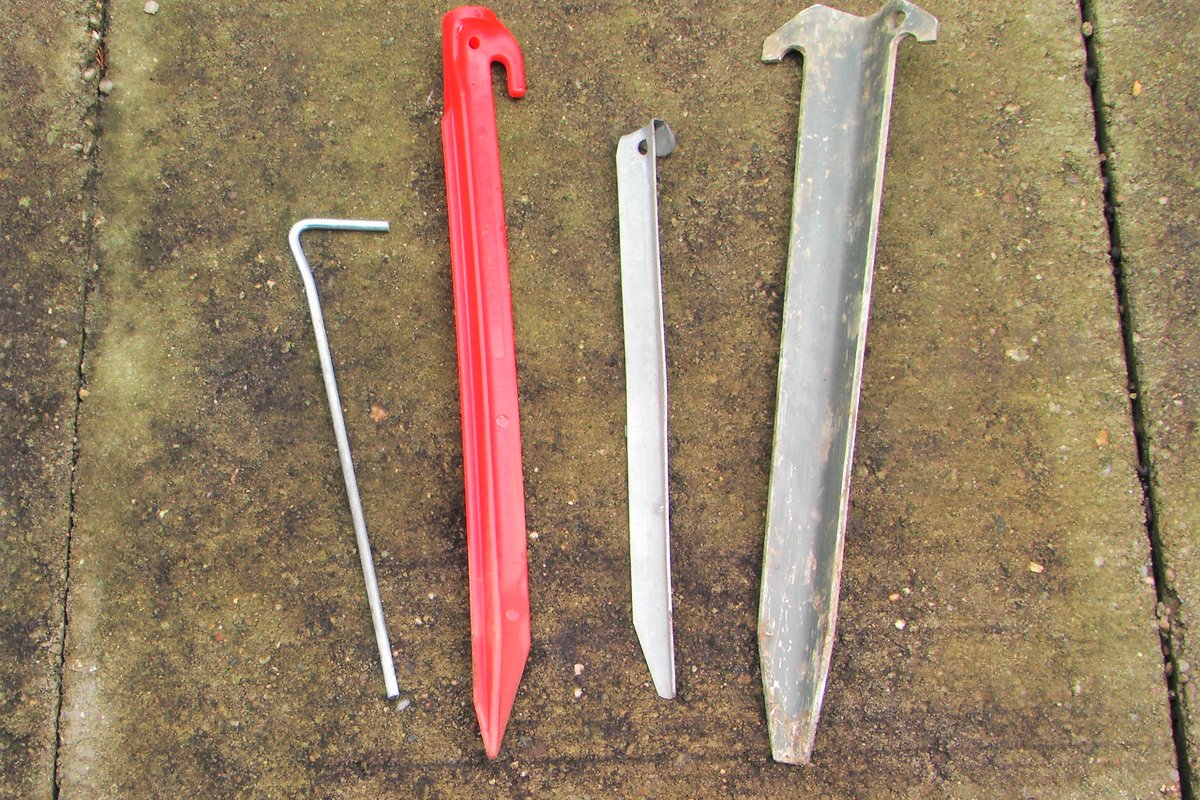
Aim stakes so pull runs along the stake, not popping it out. Soft soil may need longer stakes or deadman anchors. Rock piles work when rules allow.
Night noise control
Retension after fabric settles with dew. A fly that slapped at 11 p.m. often needs a minute of adjustment, not resignation.
Color and trip hazards
Bright cord is easier to avoid at night. Reflective bits help. Teach camp mates where lines run so nobody clothesline themselves walking to the bathroom.
Practice at home
Pitch once in the yard and adjust every guy. Muscle memory beats first-storm learning. Review how to set up a tent.
Checklist
- Spare cord
- Tensioners or known knots
- Stakes matched to soil
- Glow/flag on low lines near paths
Bottom line
Tension guylines on purpose with hardware or practiced knots, stake for the soil you have and retune after the fly settles.
Pre-tied lengths
Cut guylines to lengths that match your tent’s needs and burn or whip ends so they do not fray. Store attached to the fly so pieces do not vanish.
Storm drill
In a yard wind, practice adding a second stake and a backup line. Muscle memory matters when rain hits your face.
Tree-friendly anchoring
Where stakes fail, loop around solid trees with straps that protect bark if local rules allow. Never girdle living trees with thin cord for long stays.
Noise vs tension
Over-tensioning can stress fabric attachment points. Firm, not guitar-string. Inspect seam tabs for wear after rough trips—see clean and store tent.
Filter tents by spec → Compare up to 3 →
Related guides
- How to Pitch a Tent in Wind
- Choosing Tent Stakes and Guylines
- How to Set Up a Tent the First Time
- Tent Season Ratings: What 3-Season and 4-Season Actually Mean
- Freestanding and Non-Freestanding Tents: Which Design Fits Your Trip
General guidance from CampTier, based on manufacturer instructions and common outdoor practice. We don’t claim hands-on testing. Always follow your gear maker’s care and safety instructions. See our safety notes.