
Dispersed camping basics: camping on public land outside campgrounds
A plain-English guide to dispersed camping on national forest and BLM land: what it is, how to check the rules and stay limits, finding and choosing a site, water, waste and fire, vehicle access, safety and leaving the spot better than you found it.
By the CampTier team · Updated 2026-10-15 · About 6 min read
What dispersed camping means
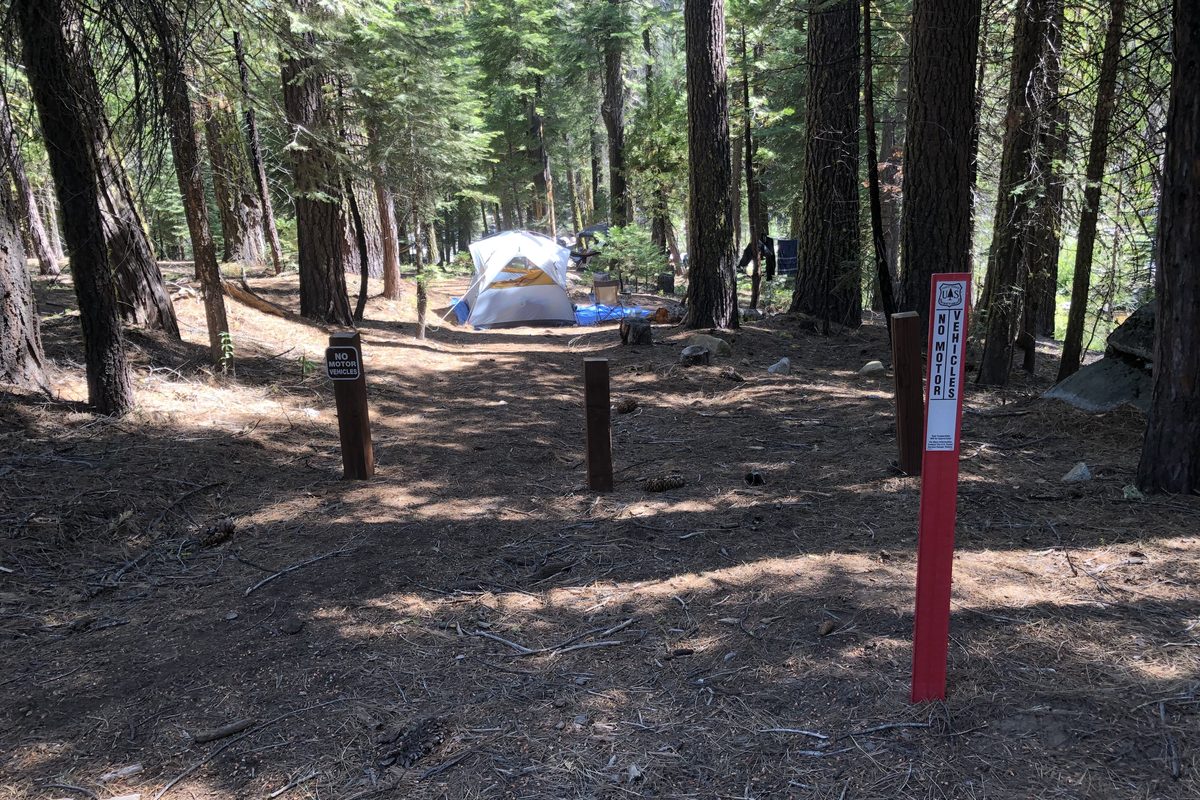
Dispersed camping is camping on public land outside a developed campground. Instead of a numbered site with a picnic table, a fire ring, toilets and a water tap, you find a spot along a forest road or in an open area and set up camp yourself. In the United States it is most common on national forests managed by the USDA Forest Service and on public lands managed by the Bureau of Land Management (BLM).
The appeal is easy to see: more space, more quiet, no reservation scramble and usually no fee. The trade-off is that you bring everything you need, carry out everything you bring and take full responsibility for water, waste, fire and safety. This guide covers the basics so a first dispersed trip goes smoothly. Rules vary by forest, district and season, so always check with the local office before you go.
Check the rules before you go
Dispersed camping is generally allowed on national forest and BLM land unless an area is posted closed, but "generally" hides a lot of local detail. Before you leave, look up the ranger district or field office for the area and check:
- Stay limits. Many national forests limit a stay at one location to 14 days, and BLM commonly allows dispersed camping for up to 14 days within a 28-day period, after which you must move a set distance away. Local orders can be stricter.
- Closures. Areas near developed recreation sites, trailheads, water supplies or sensitive habitat may be closed to camping.
- Fire restrictions. Campfire bans are common in dry seasons and can change quickly. See camping during fire season and wildfire smoke.
- Food storage orders. In bear country, some forests require approved food storage. See bear bag and food storage.
- Distance rules. Some areas require camps to be a set distance from roads, trails or water.
Call or visit the local office if anything is unclear. Staff can often suggest areas that suit your vehicle and experience.
Roads and vehicle access
On national forests, the free Motor Vehicle Use Map (MVUM) shows which roads and trails are open to motor vehicles, and in some areas how far off the road you may drive to reach a campsite. Driving off designated routes damages soil and plants and can bring a fine. A few habits help:
- Check road conditions before you go, since many forest roads are unpaved, rutted or seasonal.
- Know your vehicle's clearance and do not attempt a road you are unsure of, especially after rain.
- Park on already-hardened ground at the site, never on fresh vegetation.
- Download offline maps, since cell coverage is often poor. Our guide to combining paper maps with GPS apps explains a simple backup plan.
Finding and choosing a site
The best dispersed site is usually one that has already been used. Look for a flat, bare area with an existing fire ring (where fires are allowed) and room to park off the road. Using established sites concentrates impact instead of creating new scars. Our guide to choosing a durable surface campsite explains why.
Before you unpack, walk around the spot:
- Look up for dead trees and hanging branches, and look down for drainage paths and low spots. See checking a tent site for hazards.
- Leave No Trace guidance is to camp at least 200 feet from lakes and streams.
- Avoid camping right on the road or blocking access to gates or other sites.
- Arrive with daylight to spare. Finding a site in the dark on an unfamiliar forest road is much harder.
Always have a backup plan, such as a second area or a nearby campground, in case your first choice is taken.
Water
Most dispersed sites have no drinking water. Bring all the water you need for drinking, cooking and washing, plus a margin, or plan to treat water from a reliable source. If you rely on natural sources, carry a filter or other treatment and know whether the source is likely to be running. Our guides to water filtration for camping and how much water to carry on hikes cover the details.
Waste and toilets
Without toilets, human waste is the biggest Leave No Trace challenge at dispersed sites. Common practice is to dig a cathole 6 to 8 inches deep at least 200 feet from water, camp and trails, then cover and disguise it. Some areas, such as certain river corridors, deserts and high-use spots, require you to pack out human waste with a portable toilet system or waste bags. Pack out toilet paper where required, and always pack out wipes and hygiene products. See human waste and catholes outdoors.
Pack out all trash, including food scraps, bottle caps and the small bits of microtrash that are easy to miss. Strain dishwater and scatter it well away from water, following dishwashing at camp.
Campfires
If fires are allowed, use an existing fire ring rather than building a new one, keep fires small, use dead and down wood where collection is allowed, and never leave a fire unattended. Drown, stir and feel the ashes until they are cool to the touch before you leave or go to bed. Many dispersed campers skip fires entirely and use a camp stove instead. See building a safe campfire and gathering and buying firewood responsibly.
Safety when you are on your own
- Tell someone your plan. Share the area, road and expected return time with a friend or family member.
- Expect no signal. A paper map, a charged phone with offline maps and, for remote areas, a satellite messenger add margin.
- Carry basic vehicle supplies. A spare tire, jack, tire inflator, shovel and extra water are common choices for forest roads.
- Watch the weather. Unpaved roads can become impassable in rain or snow, and canyons and washes can flood.
- Store food properly to avoid attracting wildlife. See keeping small animals out of camp food.
- Trust your instincts. If a site or situation feels wrong, move on.
Being a good neighbor
Dispersed areas are shared by campers, hunters, ranchers, loggers and other users. Keep noise down, give other camps plenty of space, keep dogs under control and respect grazing allotments and gates (leave them as you found them). In hunting seasons, wearing bright colors when walking away from camp is a sensible precaution. Follow the principles in campsite etiquette and Leave No Trace.
A simple first-trip checklist
- Check the local office for rules, closures, stay limits and fire restrictions.
- Download the Motor Vehicle Use Map or other local map and offline maps.
- Pack all the water you need, plus a margin.
- Bring a trowel or waste kit, trash bags and a stove.
- Tell someone where you are going.
- Arrive in daylight and choose an established site.
- Leave the site cleaner than you found it.
Bottom line
Dispersed camping offers space and quiet that busy campgrounds cannot, in exchange for more self-reliance. Check local rules and stay limits, use established sites, bring your own water, handle waste properly, keep fires small or skip them, and leave no trace so the spot is still there for the next camper.
Filter tents by spec → Compare up to 3 →
Related guides
- Getting backcountry and wilderness permits
- Camping on a budget: saving money on gear, sites and trips
- How to Find and Book a Campsite
- Choosing a durable-surface campsite
- Human waste outdoors: catholes, wag bags and toilet paper
General guidance from CampTier, based on manufacturer instructions and common outdoor practice. We don’t claim hands-on testing. Always follow your gear maker’s care and safety instructions. See our safety notes.