
Camping on a budget: saving money on gear, sites and trips
Practical ways to camp on a budget: where trip costs really come from, choosing affordable campsites and public land, borrowing, renting and buying used gear, what to spend on first, cheap and simple camp meals, sharing costs with a group, off-season trips and avoiding false economies on safety.
By the CampTier team · Updated 2026-10-15 · About 5 min read
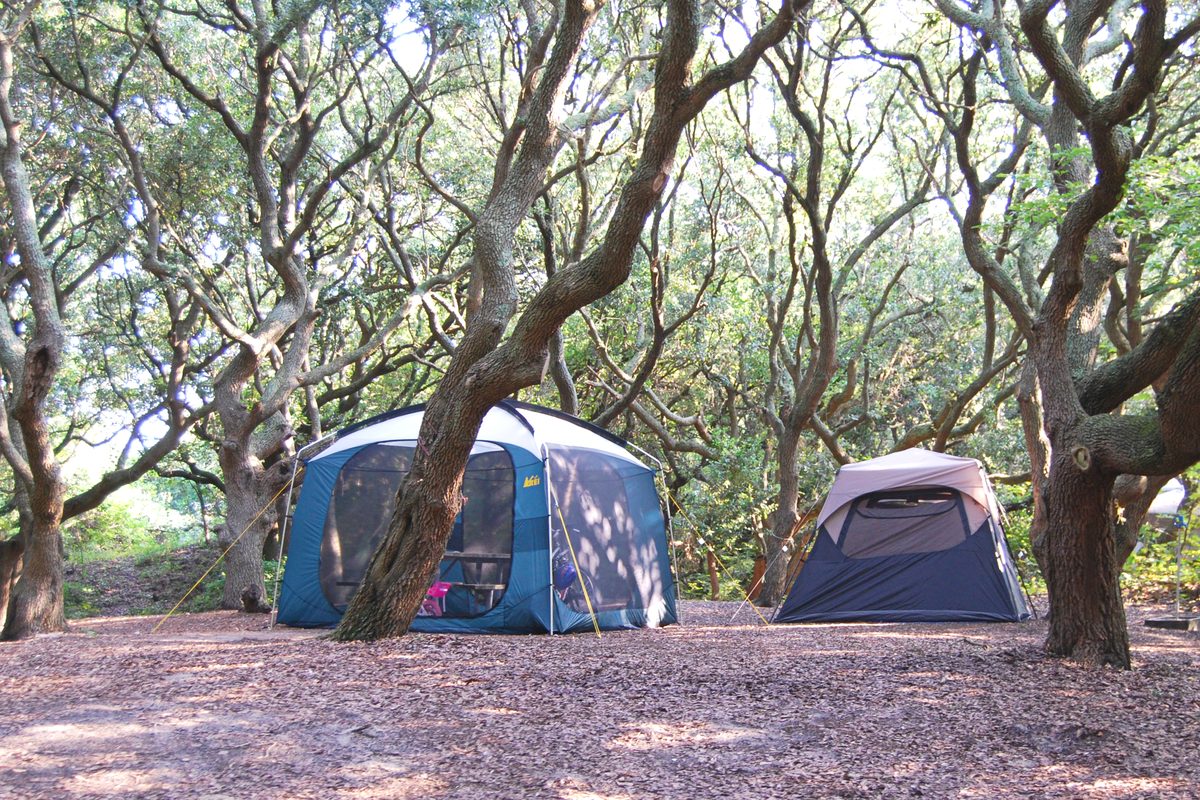
Camping doesn't have to be expensive
Camping has a reputation as an affordable way to travel, and it can be. But it is easy to spend more than you expect, between new gear, campsite fees, fuel and a cart full of trip snacks. The good news is that most of the cost is under your control. A few smart choices about where you go, what you buy and how you plan can make camping one of the cheapest ways to spend a weekend outdoors.
This guide covers practical ways to save money without cutting corners on comfort or safety. Prices and rules change, so check current fees and regulations for the places you plan to visit.
Where the money really goes
Before trimming costs, it helps to know where they come from. For many trips, the biggest expenses are:
- Getting there. Fuel or transport for a long drive can cost more than the campsite.
- Campsite fees. These vary widely, from free dispersed sites to developed campgrounds with hookups and showers.
- Gear. Buying everything new before a first trip is the biggest one-time cost.
- Food. Convenience foods and last-minute store stops add up quickly.
Tackle the biggest items first. A closer destination or a cheaper site often saves more than any gear deal.
Choose affordable places to camp
Look close to home. A campground an hour away is cheaper to reach, easier to bail out of and just as good for practicing skills. Many state parks, county parks and national forests have campgrounds within a short drive of cities.
Compare types of campgrounds. Basic sites without electricity or water hookups usually cost less than full-service sites. National forest and Bureau of Land Management campgrounds are often less expensive than private campgrounds. Our guide to choosing a campground for first-timers explains what different campgrounds offer.
Consider dispersed camping. Many national forests and BLM lands allow free camping outside developed campgrounds, with stay limits and rules. It suits campers who are comfortable without toilets or water taps. See dispersed camping basics on public land.
Check passes and discounts. Some state park systems sell annual passes, and federal passes such as the America the Beautiful pass cover entrance fees at many federal sites. Senior, access and military passes may offer discounts at some campgrounds. Check what each pass actually covers, since entrance fees and camping fees are often separate.
Book thoughtfully. Weekday and shoulder-season trips are often easier to book and sometimes cheaper. Watch for reservation and cancellation fees too. See finding and booking a campsite.
Borrow, rent or buy used before buying new
You do not need a garage full of gear to start. Good options include:
- Borrowing from friends or family who camp. Many people have a tent or stove sitting unused.
- Renting from outdoor shops, university outdoor programs or rental services. Renting lets you try gear before buying.
- Buying used through gear swaps, consignment shops and online marketplaces. Inspect tents for torn mesh and broken poles, check that zippers work and set up a used tent before your trip.
- Using what you have. Kitchen pots, home blankets and everyday clothes work fine for a first car camping trip in mild weather.
What to spend on first
If you do buy gear, put your money where it matters most for comfort and safety:
- Sleep system. A warm enough sleeping bag and an insulated pad make the biggest difference to how much you enjoy a trip. See sleeping pad R-values and sleeping bag temperature ratings.
- A reliable tent that keeps rain out. A simple, well-reviewed model often beats a feature-packed one.
- Rain gear that actually keeps you dry; see rain gear for camping.
- A headlamp for each person.
Items like camp furniture, gadgets and specialty cookware can wait until you know what you will actually use.
Avoid false economies
Saving money should not mean skipping safety. Do not cut corners on a first aid kit, a way to treat water, a map, warm layers for the conditions or a stove used safely outdoors. Very cheap tents and pads can fail in the first storm or leave you shivering, which ends trips early. Buying something once that lasts many seasons is often cheaper than replacing a bargain every year. Caring for what you own helps too; see gear storage between seasons.
Simple, cheap camp meals
Food is one of the easiest places to save:
- Plan meals before you shop and buy only what you need. See planning camping meals for a weekend.
- Cook from home staples such as pasta, rice, oats, tortillas, beans, eggs and seasonal produce.
- Prep at home. Chop vegetables, mix pancake batter and marinate food before you leave, which cuts waste and fuel use.
- Bring drinks and snacks from home instead of buying them at gas stations and camp stores.
- Pack the cooler well so food lasts the whole trip; see cooler packing.
Share costs with a group
Camping with friends spreads the cost of sites, fuel and shared gear. One stove, one lantern and one big tarp can serve the whole group. Check how many people and tents each site allows before splitting it. Our guide to sharing group gear on car camping trips covers who brings what.
Save on fuel and power
Carpool where possible and plan routes to avoid extra driving. At camp, cook with lids on pots, keep stove use efficient and turn off lights you are not using. Rechargeable batteries and a small power bank often cost less over time than disposable batteries; see camp batteries and charging.
Keep a simple trip budget
Write down what you spend on each trip: site fees, fuel, food and any gear. After a few outings, you will see where the money goes and what is worth spending on. A checklist reduces forgotten items and costly last-minute purchases; start with our first car camping checklist.
Bottom line
The cheapest camping trips are close to home, at basic or free sites, with borrowed, rented or used gear and meals planned before you shop. Spend first on sleep, shelter, rain gear and light, share costs with friends and never skimp on safety basics.
Filter tents by spec → Compare up to 3 →
Related guides
- First Car-Camping Trip Checklist
- Choosing a Campground for First-Timers
- How to Find and Book a Campsite
- Dispersed camping basics: camping on public land outside campgrounds
- Planning Camping Meals for a Weekend
General guidance from CampTier, based on manufacturer instructions and common outdoor practice. We don’t claim hands-on testing. Always follow your gear maker’s care and safety instructions. See our safety notes.