
Getting backcountry and wilderness permits
A beginner's guide to backcountry and wilderness permits for backpacking trips: why permits and quotas exist, when you need one, how reservations, lotteries and walk-up permits usually work, planning an itinerary, picking up and carrying your permit, fees and passes and following the rules that come with it.
By the CampTier team · Updated 2026-10-15 · About 5 min read
What backcountry permits are and why they exist
If you plan to backpack and camp overnight away from roads and developed campgrounds, you may need a permit. Many national parks, some national forests and wilderness areas and other public lands require backcountry or wilderness permits for overnight trips, and a few popular areas also require them for certain day hikes.
Permits serve several purposes. Quotas limit how many people start from each trailhead or camp in each zone, which protects fragile areas and preserves the solitude that wilderness is meant to offer. Yosemite National Park explains that its wilderness permits are limited per trailhead to provide outstanding opportunities for solitude, as required by the Wilderness Act. Permits also give rangers a record of who is out there and roughly where, which helps in emergencies, and the permit process is a chance to share current rules and conditions with visitors.
This guide covers how permits generally work. It is general guidance; every park and forest runs its own system, so read the official permit page for the place you plan to go.
When you need a permit
Requirements vary widely, so check before every trip. Some examples from official park pages:
- Yosemite requires a wilderness permit year-round for backpacking and any other overnight stay in its wilderness, but not for day hikes except Half Dome, or for frontcountry campgrounds and lodging.
- Yellowstone requires a permit year-round for all overnight stays in the backcountry, and backcountry campers stay in designated campsites.
- Many national forests do not require permits for most backcountry camping, but some popular wilderness areas do, especially in peak season.
Look for a "wilderness permits," "backcountry permits" or "overnight permits" page on the park or forest website. If you are unsure, call the backcountry or wilderness office. For informal camping on other public lands, see dispersed camping basics on public land.
How reservations usually work
Many US parks and forests take permit reservations through Recreation.gov, while others use their own systems. Common elements include:
- Release dates. Permits often open months ahead. Sequoia and Kings Canyon, for example, allows reservations from up to six months before the trip. Yosemite releases most of each trailhead's quota 24 weeks in advance and holds back the rest until seven days before.
- Lotteries. For the busiest areas and dates, some parks run lotteries instead of first-come reservations.
- Walk-up or last-minute permits. Some parks keep part of the quota for in-person or short-notice permits. Availability is never guaranteed.
- Fees. Many systems charge a reservation fee and sometimes a per-person or per-night fee. These are usually separate from park entrance fees.
Create an account in advance, read the full permit page before release day and have a few alternate dates or trailheads in mind in case your first choice is gone.
Planning your itinerary
Most permits ask for your entry and exit trailheads, dates, group size and, in some parks, where you will camp each night. Use the park's trip planner, maps and trail descriptions to plan:
- Realistic daily distances for your group, with time for elevation gain and rest
- Designated campsites or camping zones, if the park uses them
- Water sources, which may be seasonal
- Group size limits for the area
- Food storage rules, such as required bear canisters
- Any closures or trail conditions
Some details, such as entry date and trailhead, may be impossible to change once booked. Canyonlands' instructions recommend adding an alternate trip leader, since a reservation cannot be transferred to someone else unless they are listed. See planning your first backpacking overnight and reading topographic maps for day hikes for route planning basics.
Picking up and carrying your permit
A reservation is not always the permit itself. Sequoia and Kings Canyon, for example, notes that its email confirmation is not a wilderness permit, and permits must be picked up and validated at a wilderness office within set hours. Other parks let you print a permit at home or require a printed, signed copy.
Check the pickup rules carefully:
- Where and when to pick up the permit, and the latest time you can arrive before the reservation is released
- Who needs to be present, since some parks want the whole group for an orientation
- What ID to bring
- Whether to display a tag on your pack or tent, or a copy in your vehicle
Carry the permit with you for the whole trip.
Fees and passes
Permit fees are usually separate from entrance fees. An America the Beautiful pass covers entrance fees at many federal sites but typically does not cover backcountry permit fees. Yellowstone's permit page, for example, lists permit fees and notes that the park's entrance fee is separate, while honoring America the Beautiful passes for entrance. Budget for both.
Following the rules that come with a permit
Your permit usually comes with conditions. Common ones include:
- Camping only in your reserved sites or zones on the dates listed
- Storing food in approved containers in bear country; see bear bag and food storage
- Campfire restrictions, which may change with fire danger
- Group size limits
- Human waste rules, which can include packing out waste in some areas
- Pet restrictions, since many national park trails do not allow pets
Rangers may check permits on the trail. Following the rules protects the area and keeps permit systems working for everyone. See campsite etiquette and leave no trace.
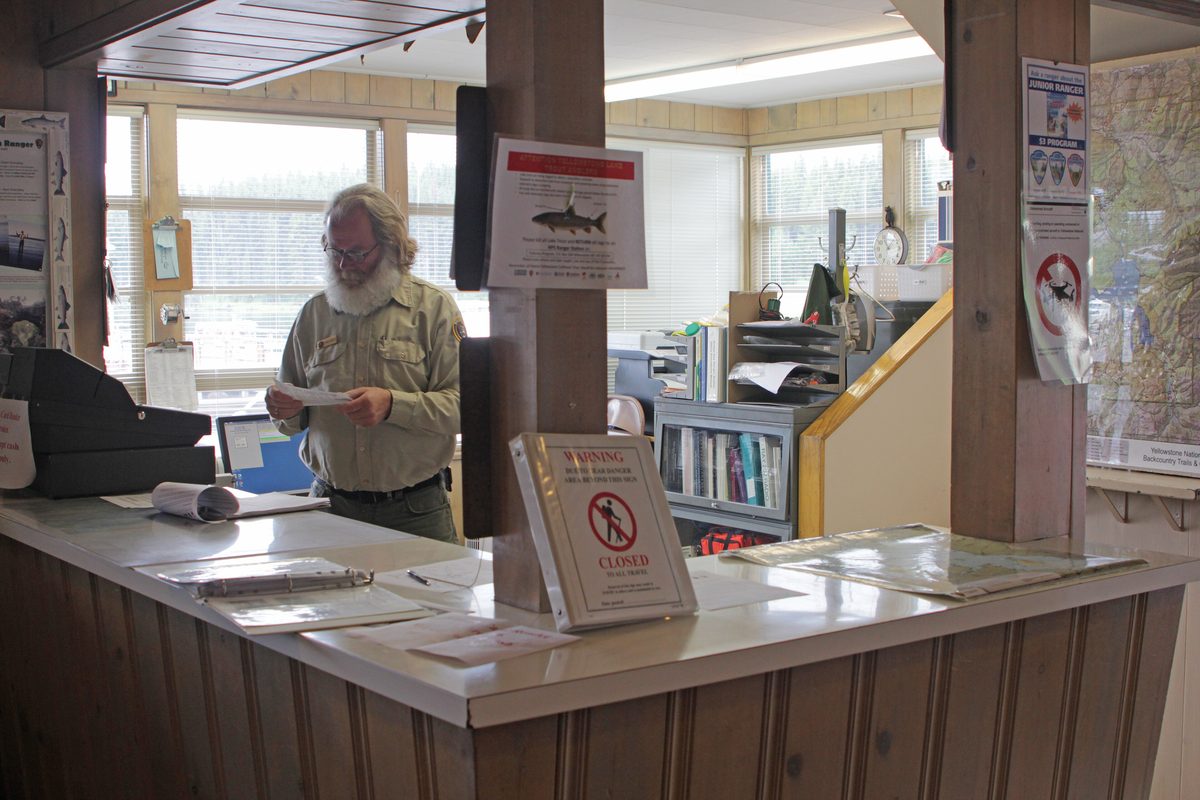
Make the most of the permit desk
If you pick up a permit in person, use the visit. Rangers at backcountry and wilderness offices usually have the most current information on trail conditions, water sources, snow, washouts, wildlife activity and fire restrictions. Bring your map and itinerary and ask about anything you are unsure of, such as stream crossings or whether a campsite has reliable water this season. Some offices rent or lend bear canisters, and many sell maps. Write down any new advice on your map or in your notes, and share it with everyone in your group before you start walking.
If plans change
Cancel or change your reservation as early as possible if you cannot go, so someone else can use the spot. Refund policies vary. Let rangers know if you exit early or change your route significantly, and tell your emergency contact too.
Bottom line
Check whether your trip needs a permit, read the official permit page carefully, note release dates and lotteries, plan a realistic itinerary and pick up the permit exactly as instructed. Budget for permit fees separately from entrance fees, carry the permit on your trip and follow its rules.
Filter backpacks by spec → Compare up to 3 →
Related guides
- Planning your first backpacking overnight
- Weekend Backpacking Packing List
- Dispersed camping basics: camping on public land outside campgrounds
- Food Storage at Camp: Bear Boxes, Canisters and Hangs
- Reading topographic maps for day hikes
General guidance from CampTier, based on manufacturer instructions and common outdoor practice. We don’t claim hands-on testing. Always follow your gear maker’s care and safety instructions. See our safety notes.