
Planning your first backpacking overnight
A step-by-step plan for a first night in the backcountry: picking a short route, checking permits and water, realistic mileage, a shakedown at home, and a simple bail-out plan.
By the CampTier team · Updated 2026-10-15 · About 5 min read
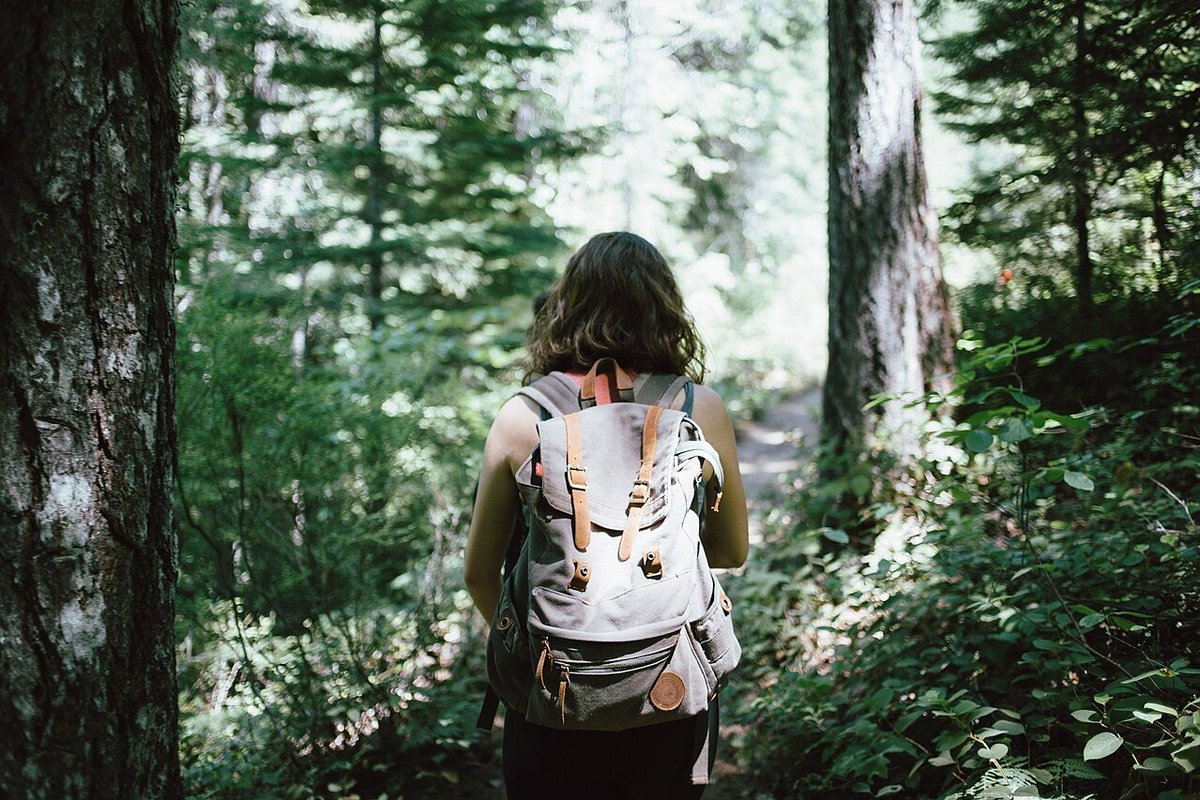
Start smaller than you think
A first backpacking trip is less about the destination and more about learning your systems: how the pack carries, how long it takes to pitch the tent, how warm your sleep kit really is and how much food and water you need. The most common first-trip mistake is choosing a route that is too long, too remote or too ambitious. A short, well-traveled route with an easy exit lets you learn without the stakes being high. If you have car camped before, you already know half of this; see the weekend backpacking packing list for gear.
Choosing the route
Good first routes share a few features:
- Short distance: many first-timers are comfortable with something like 5 to 10 kilometers (3 to 6 miles) each way, with modest elevation gain.
- Established campsites: designated sites or a known lake or meadow with existing tent pads reduce guesswork.
- Reliable water near camp, verified by recent trip reports or ranger information.
- Cell signal or a busy trail in case you need help, though you should never rely on signal.
- An out-and-back route rather than a loop, so turning around is easy.
Ranger stations, park websites and local hiking clubs often list beginner-friendly overnights. Popular is good for a first trip.
Permits and rules
Many parks and wilderness areas require backcountry permits, and some popular areas use lotteries or reservations that open months ahead. Check:
- Whether a permit is needed and how to get it.
- Designated site requirements versus dispersed camping rules.
- Fire restrictions and food storage rules, such as bear canisters; see bear bag and food storage.
- Group size limits and dog rules.
Finding and booking a campsite covers reservation systems.
Realistic timing
A loaded pack slows most people down compared with day hiking. A rough planning pace for a new backpacker on moderate trail is a couple of kilometers per hour plus extra time for climbs and breaks. Plan to arrive at camp with at least two to three hours of daylight left. That leaves time to find the site, pitch the tent, filter water and cook while you can see. Starting late and pitching in the dark is a classic first-trip stress.
Water and food
Map the water sources along the route and at camp, and plan how much to carry between them; see how much water to carry. For a single night, keep meals simple: a familiar dinner that only needs boiling water, an easy breakfast and plenty of snacks. Practice cooking that meal on your stove at home first. Camp meal prep and rehydration has ideas.
The shakedown at home
A shakedown means laying out and testing everything before the trip:
- Pitch the tent in your yard or living room. Time it. Make sure every pole, stake and guyline is there.
- Inflate the pad, lie on it, check for leaks.
- Light the stove and boil water. Confirm the fuel canister fits.
- Pack the backpack fully, including water and food, then walk around the neighborhood for 30 minutes. Adjust the hip belt and shoulder straps; see choosing a backpack.
- Weigh the pack. Many guides suggest a loaded pack around 20 percent of body weight or less is a comfortable target for beginners, though that varies.
- Remove anything you would not miss.
If possible, spend one night sleeping in the tent in the backyard or at a drive-in campground. You will learn more about your sleep system in one night than from any spec sheet.
Navigation
Download offline maps on your phone and carry a paper map of the area. Know the trail names, the junctions and the distance to camp. Even on a simple route, learn basic map reading; see map and compass basics and combining paper maps with GPS apps.
Share your plan
Before leaving, tell someone reliable:
- The trailhead, route and campsite.
- When you expect to be back, and a "call for help if I'm not back by" time.
- Your vehicle description.
Some people also carry a satellite messenger or personal locator beacon, especially in areas without cell signal.
The bail-out plan
Decide in advance what would make you turn around: weather turning severe, someone feeling unwell, arriving at camp too late, a dry water source, or simply not enjoying it. Turning back on a first trip is not failure; it is good judgment. Having a plan agreed beforehand makes the decision easier in the moment.
At camp
Choose a flat, durable surface away from water and dead trees; see choosing a durable-surface campsite. Pitch the tent first, then filter water, then cook, then store food properly before dark. Keep a headlamp in your pocket from late afternoon on.
What to learn on the first trip
Take mental notes or jot them in a phone:
- What you used and what never left the pack.
- Whether you were warm enough at night and where you felt cold.
- How long each camp chore took.
- How much water and food you actually used.
- What hurt: shoulders, hips, feet.
These notes turn a single overnight into a plan for the next, slightly longer trip.
Common first-trip mistakes
- Brand-new boots on day one; see breaking in hiking boots.
- Packing cotton as the only warm layer.
- No headlamp, or a headlamp with dead batteries.
- Forgetting a lighter as backup to the stove igniter.
- Overpacking food "just in case" instead of a sensible reserve.
- Skipping the forecast check the night before.
Going with someone experienced
If you know an experienced backpacker, ask to tag along. Watching how someone else packs, picks a site and runs camp chores teaches faster than reading. Guided beginner trips through outdoor clubs and some outfitters serve the same purpose and often supply gear you can try before buying.
The morning after
Mornings take longer than people expect. Allow time to boil water, eat, pack a damp tent and check the site for anything left behind. Shake out condensation from the fly before packing it, and pack it separately from your sleeping bag. Walk the site once before leaving: look for micro-trash, food scraps and tent stakes in the grass. Then hike out at an easy pace, and plan something to look forward to at the trailhead.
Filter backpacks by spec → Compare up to 3 →
Related guides
- Weekend Backpacking Packing List
- How to Choose a Backpack or Daypack for Camping
- How much water to carry on hikes and overnights
- Map and Compass Basics for Hikers and Campers
- How to Find and Book a Campsite
General guidance from CampTier, based on manufacturer instructions and common outdoor practice. We don’t claim hands-on testing. Always follow your gear maker’s care and safety instructions. See our safety notes.