
Camp meal prep and rehydration
Practical meal prep for camping weekends—dehydrated and freezer-bag methods, water ratios, stove timing and cleanup without fake taste tests.
By the CampTier team · Updated 2026-10-15 · About 4 min read
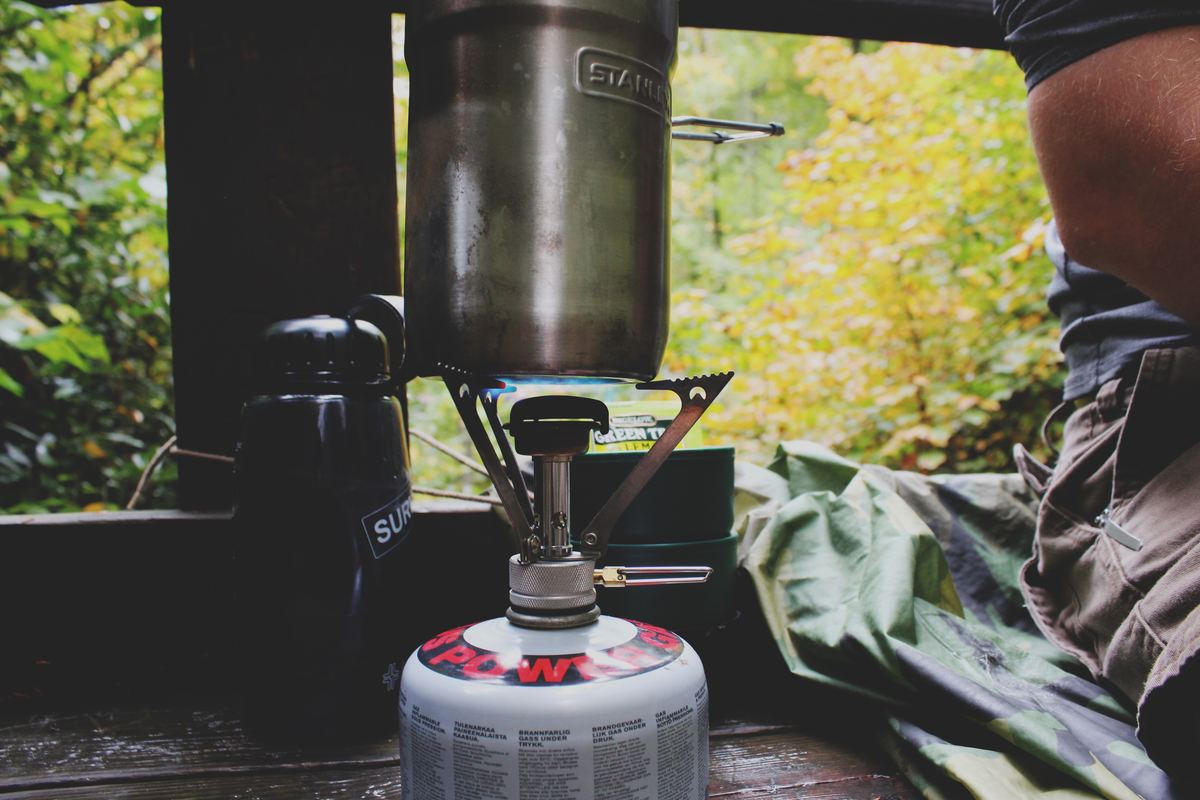
Prep is a kitchen problem, not a social-media flex
Good camp meals come from measured portions, enough fuel and a cleanup plan. Start with planning camping meals for a weekend and camp kitchen basics, then decide what you will cook versus what you will only rehydrate.
Home prep that actually helps
Portion dinners into labeled bags with water volume written on the outside. Pre-mix spices so you are not opening six jars in the rain. Chop sturdy vegetables at home only if they will stay safe in your cooler timeline—see cooler packing and multi-day cooler habits.
Rehydration basics
Most backpacking meals want near-boiling water and a wait. Use the water volume the maker prints; under-watering leaves crunchy centers and over-watering makes soup. Keep the pouch upright and insulated with a cozy or jacket so heat stays in. Instant grains and couscous are forgiving when fuel is short.
Freezer-bag and pot methods
Freezer-bag cooking reduces pot scrubbing if your bags are rated for the temperature you use and you handle them carefully. Pot cooking suits group meals and simmer sauces. Either way, stabilize the stove—review camp stoves and fuel.
Water sourcing for food
Do not cook with untreated ditch water unless your treatment plan covers it. Filter or treat first—water filtration. Cloudy water can clog filters; settle or pre-filter when needed.
Timing around weather and daylight
Boil once for drinks and meals when fuel is precious. In storms, cook under a tarp with ventilation and fire-safe clearances. Assign roles so one person tends the stove while another stages bowls.
Cleanup and leftovers
Rehydrated sauces stick. Soak, then follow dishwashing at camp. Pack out uneaten food; do not bury leftovers. Smellables go with your bear bag plan where required.
Bottom line
Write water ratios on bags, match method to group size and fuel, treat water before cooking and clean like the next meal depends on it.
Label like a field kitchen
Write meal name, day, water milliliters and simmer time on every bag with a permanent marker. Night-one tired brains misread vague labels. Keep a master menu card in the kitchen tote.
Fuel math for rehydration nights
Count boils: breakfast coffee, dinner meal, maybe lunch hot drink. One missed boil forces cold meals or a dangerous stove session in wind. Carry margin—see camp stoves and fuel.
Texture problems and fixes
Crunchy centers usually mean under-water or insufficient wait. Stir, add a splash of hot water and wait again. Mushy results mean too much water—next time mark a lower fill line on the cozy.
Allergens and shared spoons
Group trips need ingredient notes on bags. Do not dip a peanut-butter spoon into a shared dessert pouch. Color-code utensils if allergies are in play.
Cold-soak options
Some travelers cold-soak oats or certain noodles to save fuel. Times lengthen in cold weather. Only use methods you have practiced at home so you are not hungry at mile eight experimenting.
Trash and odor
Empty meal pouches smell. Double-bag and store with food hang or locker plans—bear bag guidance. Foil lids and oxygen absorbers go in trash bags, not fire pits where rules ban trash burning.
Practice dinner at home
Cook one freezer-bag meal on the living room stove with the same kettle you will bring. Adjust salt and water before the trail teaches you the hard way.
Breakfast systems that save fuel
Oats that cold-soak overnight, instant coffee and no-cook breakfast bars free the stove for dinner when fuel is tight. If you love hot breakfast, boil once and queue coffee in insulated mugs while grains finish in a cozy.
Sodium and thirst
Many packaged meals run salty. Plan extra water and do not chase salt with more salty snacks all afternoon. This is logistics, not medical advice—people with dietary restrictions should choose meals that match their clinician’s guidance.
Group serviceware
Shared bowls need a wash plan before the first night. Color cups reduce mix-ups. A collapsible basin dedicated to washing keeps soap away from cooking water—review dishwashing distance rules.
Spice and fat boosters
A tiny bottle of oil, hot sauce or grated hard cheese transforms bland rehydration dinners. Pack them in leakproof vials inside a zip bag. Do not discover a olive-oil explosion against your sleep kit.
Leftover discipline
Rehydrated leftovers rarely keep safely without cold storage. Eat what you make or pack out promptly. Do not “save” half a pouch in a warm pack for tomorrow’s lunch unless your cooler chain supports it.
Teaching new camp cooks
Give new cooks a simple night-one meal with printed steps. Save experimental recipes for night two when systems work. Celebrate clean stoves as much as tasty food.
Shopping timeline
Buy dehydrates and shelf-stable items early; buy fresh cooler food last. Write water ratios while you bag meals at the kitchen table, not in the dark at the trailhead. A printed menu on an index card survives phone death.
Stove wind and wait times
Wind doubles wait times and wastes fuel. Use a windscreen that does not overheat canisters—follow maker rules. Start rehydration water before you are starving so the wait feels shorter.
Dish count realism
Every extra spatula is another wash. One spoon per person, one shared serving spoon and a single pot lid that doubles as a cutting board cover keep the kit honest.
Filter camp kitchen by spec → Compare up to 3 →
Related guides
- Planning Camping Meals for a Weekend
- Camp Kitchen Basics: Stoves, Cooking and Cleanup
- Camp Stoves and Fuel Basics
- Dishwashing at Camp
- Water Filtration and Treatment for Campers
General guidance from CampTier, based on manufacturer instructions and common outdoor practice. We don’t claim hands-on testing. Always follow your gear maker’s care and safety instructions. See our safety notes.