
Dishwashing at Camp
A practical wash-rinse-sanitize flow for camp dishes: water heating, grease handling, Leave No Trace disposal, and keeping the kitchen tidy without a sink.
By the CampTier team · Updated 2026-10-15 · About 5 min read
Dishes are part of the camping system
Great meals lose their shine when greasy pans sit until morning and ants find the spatula. Dishwashing at camp is mostly logistics: enough hot water, a simple station, and disposal that respects the site. This guide is general outdoor practice. Follow local campground rules and any posted greywater instructions; land managers set the final word.
Build a three-basin habit (even with two tubs)
Classic method:
- Wash with hot soapy water
- Rinse with clean hot or warm water
- Sanitize with a dilute bleach solution where appropriate, or very hot rinse water if that is your usual home practice adapted carefully outdoors
If you only have one or two collapsible basins, wash and rinse in sequence and keep a kettle of hot water ready. Many car campers use a plastic tub for wash and a second for rinse. Backpackers often wipe and use minimal water—adjust expectations to trip style.
Heat water while you eat
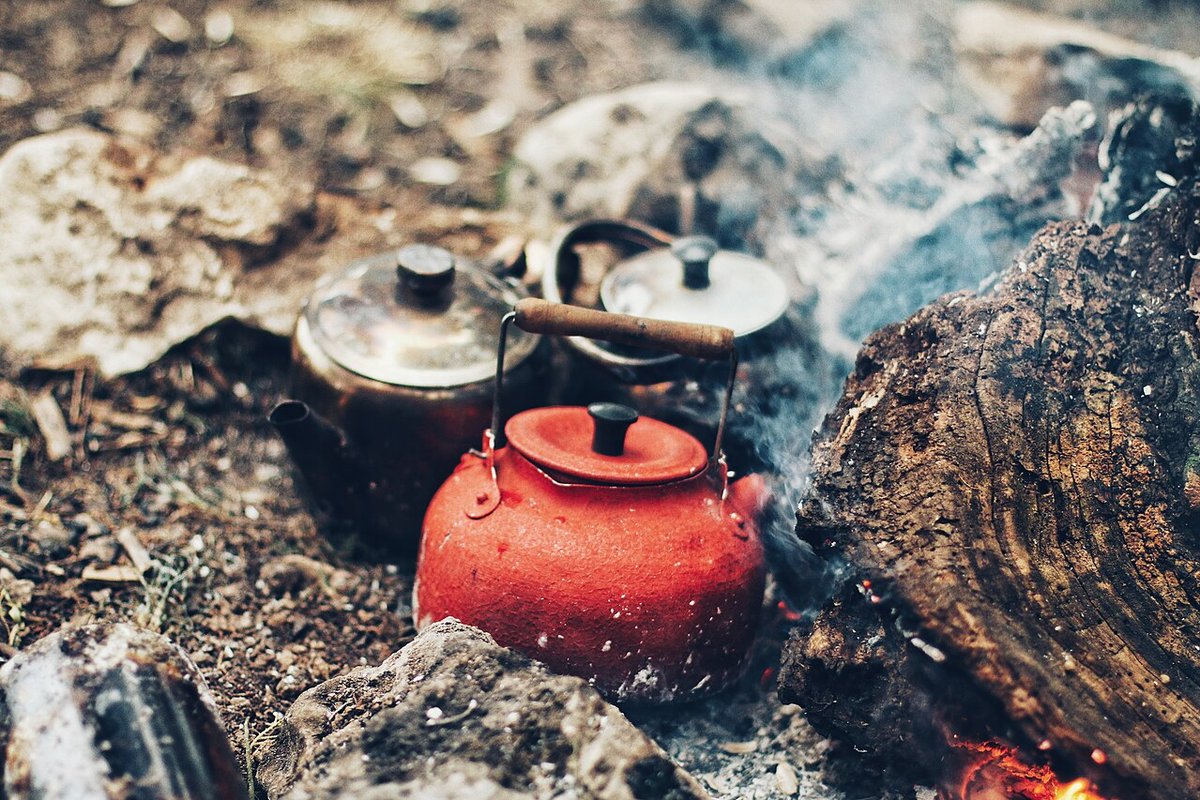
Start a kettle or pot of wash water when dinner goes on the plate. Eating while water heats means you are not scrubbing in the dark with cold hands. Use the stove you already have; see camp stoves and fuel for fuel planning so dish water does not strand you without breakfast fuel.
Scrape first, wash second
Wipe pots with a paper towel or spatula before they hit soapy water. Less grease in the basin means cleaner rinse water and fewer clogs in campground sinks. Pack out used paper towels with trash. Food scraps belong in trash or a approved food-storage plan—not scattered for wildlife. See bear bag and food storage and hanging a bear bag step by step where animals are a concern.
Soap: a little goes a long way
Biodegradable soap still needs proper disposal away from water sources in backcountry settings; “biodegradable” does not mean “dump in the creek.” Use a small amount, wash 200 feet from lakes and streams where that is the local guidance, and pack out or disperse greywater per land manager rules. In developed campgrounds, use the dish sink if provided.
Grease and oil
Do not pour grease into sinks or onto soil near tents. Wipe pans, collect grease in a disposable container, and trash it. Cast iron needs a different wipe-and-oil routine than nonstick; follow the cookware maker’s care notes from choosing camp cookware.
Drying and storage
Air-dry on a clean mesh bag, rack or clean towel. Packing wet pans invites mildew and smells. Nest only when dry. Keep wash basins themselves clean—yesterday’s greasy tub contaminates today’s rinse.
Campground sinks vs picnic table stations
Campground dish sinks: follow posted rules, do not wash pots full of leftover chili that will clog drains, and clean the sink when you finish. Picnic table station: set basins on a corner of the table or a dedicated stand, keep the cooler closed while you splash, and watch for wind that tips lightweight tubs.
Backcountry minimal wash
When water is scarce:
- Heat a small amount of water
- Wipe food residue first
- Use a tiny drop of soap
- Rinse sparingly
- Scatter strained greywater broadly away from camp and water if rules allow, or pack out as required
Filter or treat drinking water separately from wash routines; see water filtration for camping.
Kids and group trips
Assign roles: scraper, washer, rinser, dryer. A simple rotation prevents one person from becoming the permanent dish fairy. Keep knives out of kid wash basins until adults finish with them.
Nighttime shortcuts without creating pests
If you must delay full washing, still scrape, rinse large food bits into trash, and secure dirty dishes in a closed bin or vehicle where animals cannot reach them. Leaving a bag of dirty dishes on the table overnight trains raccoons.
Packing list for dishes
- One or two collapsible basins or a dedicated wash bucket
- Small soap bottle
- Sponge or cloth suited to your cookware coating
- Scrub pad for stainless (kept away from nonstick)
- Quick-dry towel or mesh bag
- Kettle or pot dedicated to heating wash water
- Trash bags for scraps and oily wipes
- Optional: sanitize method you already use safely at home, adapted carefully
Tie-ins to the rest of camp
A tidy dish flow supports campsite etiquette and Leave No Trace. It also makes mornings faster when coffee mugs are clean. Plan cooler leftovers so you are not washing five storage containers plus pots every night—see packing a cooler for multi-day trips.
Common mistakes
- Washing dishes in the lake
- Skipping the scrape step and fighting grease all night
- Using so much soap that rinse water is still slippery
- Leaving wet nests of pans in a closed bin
- Forgetting fuel for wash water on the last morning
Bottom line
Scrape, wash with hot soapy water, rinse, dry, and dispose of greywater and grease the way the land manager expects. Keep the kit small and the habit consistent. Clean dishes are not glamorous camping content—they are how you keep wildlife, smells and group morale under control.
Sample evening timeline
- Start kettle when dinner is served.
- Scrape pots into trash while people finish eating.
- Wash dirtiest pans first so soapy water is strongest for grease.
- Rinse, dry, and return items to the kitchen bin before dark.
- Secure trash and food storage last.
Cold weather notes
In chilly weather, dish water cools fast. Work in smaller batches, lid the wash basin when you pause, and wear gloves if needed. Hot water still matters for grease. For seasonal packing see shoulder-season camping checklist.
Sharing sinks
Pre-scrape at your table before using a shared campground sink. Leave sinks cleaner than you found them—part of campsite etiquette.
No-basin backup
A heavy-duty bag can hold wash water in a pinch. Keep soap and particles out of natural water sources. Filter drinking water separately via water filtration for camping.
Filter camp kitchen by spec → Compare up to 3 →
Related guides
- Camp Kitchen Basics: Stoves, Cooking and Cleanup
- Choosing Camp Cookware
- Packing a Cooler for Multi-Day Trips
- Campsite Etiquette and Leave No Trace
- Water Filtration and Treatment for Campers
General guidance from CampTier, based on manufacturer instructions and common outdoor practice. We don’t claim hands-on testing. Always follow your gear maker’s care and safety instructions. See our safety notes.