
Hanging a Bear Bag Step by Step
A practical walkthrough of the PCT-style bear bag hang: picking a tree, throwing the line, balancing the bag, and knowing when a canister or box is the better tool.
By the CampTier team · Updated 2026-10-15 · About 5 min read
Why this guide exists
Our bear bag and food storage overview covers containers, boxes and why smellables matter. This page is the hanging procedure itself—the steps that usually fail on the first try at dusk. Rules vary by park and forest. Where canisters or metal boxes are required, use those. A hang is not a loophole around posted regulations.
What “smellables” means in practice
Food, trash, toothpaste, sunscreen, cook pots with residue, pet food, and scented toiletries often belong in the same protected system. If you would not want a curious animal chewing it, bag it. Dogs’ food is part of the plan on trips with pets; see camping with dogs gear.
Gear for a basic hang
- 25–50+ feet of strong cord suited to the method you use (check the cord’s working load and condition)
- A stuff sack or dedicated food bag (some people use an odor-resistant bag as an inner liner; it is not magic armor)
- A small rock bag or throw weight
- Carabiner if your method uses one
- Headlamp for evening hangs—see night hiking with a headlamp habits for lighting discipline at camp too
Practice the knot sequence at home once so you are not learning under insect pressure.
Pick the right tree (and branch)
Look for a live tree with a sturdy branch. A common teaching target for counterbalance or PCT-style hangs is roughly:
- Bag about 10–12 feet off the ground when finished (local guidance may differ)
- Several feet away from the trunk
- Branch strong enough not to snap with your food weight
Avoid dead branches, widowmakers overhead, and fragile treeline scrub. If no suitable tree exists, do not invent a dangerous hang—use a canister, move camp, or cook and store per local advice.
PCT-style hang in plain steps
Methods vary; this is a common teaching sequence. Confirm details with a trusted outdoor-education source if you are new.
- Put food in the bag and close it so crumbs do not sprinkle the site.
- Tie a throw weight to the end of your line.
- Throw over the chosen branch. This is the frustrating part. Clear the area so the descending weight does not hit people. Multiple throws are normal.
- Clip or tie the food bag to the line according to your method.
- Hoist the bag to the target height.
- For a PCT-style finish: tie a clove hitch (or your preferred hitch) on a carabiner on the line, clip to the bag, then push the bag up so it floats on the line away from the trunk, and secure the free end so animals cannot pull it down easily.
- Step back and check: bag not against trunk, not low enough to jump for, line not rubbing a sharp edge that will cut overnight.
If the bag spins against the trunk, lower and reset. A pretty knot that leaves food at nose height helps bears, not you.
Counterbalance hangs
Some people split food into two bags that counterbalance over a branch. The idea is that neither bag is at the trunk and pulling one raises the other. It requires enough cord and two similar weights. Learn it before the trip if you plan to rely on it.
When hanging is the wrong tool
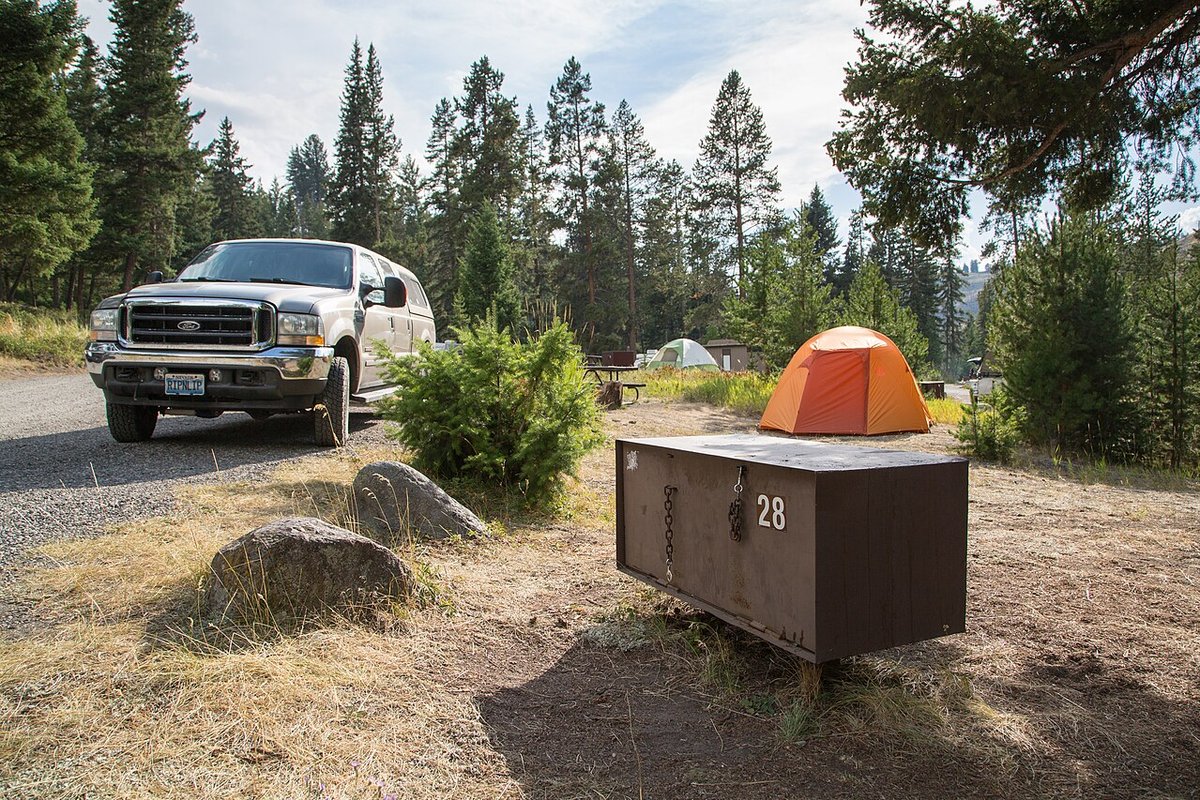
- Campground with bear boxes: use the box; lock it; do not leave the door ajar.
- Land with canister requirements: carry the approved canister.
- Alpine zones with no trees: canisters or other required methods only.
- Windy storms that turn bags into piñatas: lower and use an allowed hard-sided option if available.
Timing
Hang before you are exhausted. Cook, eat, clean dishes (dishwashing at camp), then hang while you still have patience. Leaving food on the table “for a minute” while you set tents is how raccoons win.
Morning retrieval
Untie carefully so the bag does not free-fall onto someone. Inspect for chewed cord. Pack leftover smellables as diligently as dinner did. Replace worn throw bags.
Common failure modes
- Branch too close to trunk
- Bag too low
- Line too thin and cut by bark
- Food hung but trash left at camp
- Toothpaste left in the tent
- Practicing zero throws before the first backcountry night
Etiquette and other campers
Do not hang over someone else’s tent or picnic area. Do not cut live branches for convenience. Pack out cord scraps. These habits sit alongside Leave No Trace etiquette.
Bottom line
A bear bag hang is a skill: tree selection, a reliable throw, correct height and distance, and total smellable discipline. Where boxes or canisters are required, they win. Practice once in a low-stakes place, then use the method your destination actually allows. For trip packing context, see weekend backpacking packing list.
Practice plan
Practice ten throws where allowed, time a hang with bottle weight, practice retrieval, and keep throw gear in one pouch. If daylight hangs fail, use boxes or canisters until skill is real. Teach partners clear roles and keep kids out of the fall zone. Retire damaged cord.
Extra practical notes
Rehearse key steps on a low-stakes outing before you need them remotely. Write down what failed and adjust the kit at home. Teach partners the same rules. When manufacturer or land-manager rules are stricter than general advice, follow the stricter requirement. After each trip, dry gear, recharge lights, replace consumables and update your checklist while memory is fresh.
Extra practical notes
Rehearse key steps on a low-stakes outing before you need them remotely. Write down what failed and adjust the kit at home. Teach partners the same rules. When manufacturer or land-manager rules are stricter than general advice, follow the stricter requirement. After each trip, dry gear, recharge lights, replace consumables and update your checklist while memory is fresh.
Extra practical notes
Rehearse key steps on a low-stakes outing before you need them remotely. Write down what failed and adjust the kit at home. Teach partners the same rules. When manufacturer or land-manager rules are stricter than general advice, follow the stricter requirement. After each trip, dry gear, recharge lights, replace consumables and update your checklist while memory is fresh.
Filter coolers by spec → Compare up to 3 →
Related guides
- Food Storage at Camp: Bear Boxes, Canisters and Hangs
- Weekend Backpacking Packing List
- Campsite Etiquette and Leave No Trace
- Camping with Dogs: Gear Side
- Packing a Cooler for Multi-Day Trips
General guidance from CampTier, based on manufacturer instructions and common outdoor practice. We don’t claim hands-on testing. Always follow your gear maker’s care and safety instructions. See our safety notes.